• Home
  • Bank of Subjects of Articles
    • Bibliography
    • Characters
    • Culture and art
    • Economics
    • Educational sciences
    • ethics
    • Geography of Islamic world
    • History
    • Islamic jurisprudence and principles
    • Kalam (Islamic scholastic theology)
    • Mahdism
    • Philosophy and logic
    • Political science
    • pray and pilgrimage
    • Prophet and Ahl-al bayt
  • Islamic Teachings
  • quran
  • The Infallibles
  • Shia Beliefs
  • Morality
  • Events
    • Media Reflection
    • Muharram
    • News of Shia World
    • News of Worldly Assembly for Shia Studies
  • Home
  • Bank of Subjects of Articles
    • Bibliography
    • Characters
    • Culture and art
    • Economics
    • Educational sciences
    • ethics
    • Geography of Islamic world
    • History
    • Islamic jurisprudence and principles
    • Kalam (Islamic scholastic theology)
    • Mahdism
    • Philosophy and logic
    • Political science
    • pray and pilgrimage
    • Prophet and Ahl-al bayt
  • Islamic Teachings
  • quran
  • The Infallibles
  • Shia Beliefs
  • Morality
  • Events
    • Media Reflection
    • Muharram
    • News of Shia World
    • News of Worldly Assembly for Shia Studies
Home Bank of Subjects of Articles ethics

Prayer of Lady Zahraa (sa)

by mustafa askari
2022-05-15
in ethics, The Infallibles
0
Lady Fatimah (S.A) and the Night of Divine Decrees
0
SHARES
23
VIEWS
Share on FacebookShare on Twitter

It has been related that Lady Zahraa (sa) used to perform two rakats of prayer that Jibrael (as) taught to Her. In the first rakat, after reciting Sura al Fatiha, She would recite Sura al Qadr 100 times. In the second rakat after reciting Sura al Fatiha , She would recite Sura al Tawhid (Ikhlas) 100 times. Then She would recite the following Supplication upon completing the prayer;

Glory be to the Lord of Honour, and Sublime Authority;

Glory be to the Lord of Majesty and Exalted Greatness;

Glory be to the Lord of eternal Pride

Glory be to He who is Splendour and Beauty;

Glory be to He Who is Light and Dignity;

Glory be to He Who makes out the footprints of the ant on the stone;

Glory be to He Who knows the exact time and place the bird dips down through the air;

Glory be to He Who is like this and no one other than Him is like this.

Also Sayyid ibn Tawus has written, “In another hadith it has been instructed to say the well-known tasbih of Lady Zahraa (sa) which is said after every prayer, and then to ask Allah to grant His Blessings (salawat) upon the Prophet (pbuhh) and His Progeny (pbut) one hundred times.”

In his book Misbah al-Mutahajjid Shaykh Tusi has written that Lady Zahraa (sa)’s prayer consisted of two rak`ats. In the first rak`at one should recite the surah of al-Fatiha once and the surah of al-Qadr one hundred times; and in the second rak`at he should recite the surah of al-Tawhid one hundred times after reciting al-Fatiha once. Once he bids the salutation of the prayer, and gets through with his prayer, he should say the tasbih of Lady Zahraa (sa) and then should recite the glorification beginning with “Glory to One possessing High Honor”, which was already mentioned.

Shaykh Tusi has then added, “After reciting this glorification it is preferable to bare one’s knees and forearms and to put all his prostration body spots (i.e. his forehead, palms, knees, and big toes) on earth. While he is observing prostration (sajood) he should ask his needs, and pray for what he wishes. In the meantime he should recite the following:

O He, besides Whom, there is no lord, to be invoked;

O He, above Whom, there is no god to be feared;

O He, except Whom, there is no master, to be obeyed;

O He, Who has no counsellor to be approached,

O He, Who has no attendant to be bribed;

O He, Who has no doorkeeper, to be fooled;

O He, Who gives not but generously and liberally, No matter how many are the demands, and deals not with numerous sins but mercifully and kindly;

Send blessings on Mohammad (pbuhh) and His Progeny (pbut), and do as I request (mention your desires here)

(and instead of these words one should ask Allah for his requests).

source:english.almaaref

Tags: Ahl al-Bayt (A.S.)EthicsFatimaImam 'Ali
Previous Post

Did all the messengers of God have the same aim?

Next Post

Ziyarat Ale Yasin

mustafa askari

Related Posts

10 facts about marriage in Islam
ethics

10 facts about marriage in Islam

by mustafa askari
2025-05-26
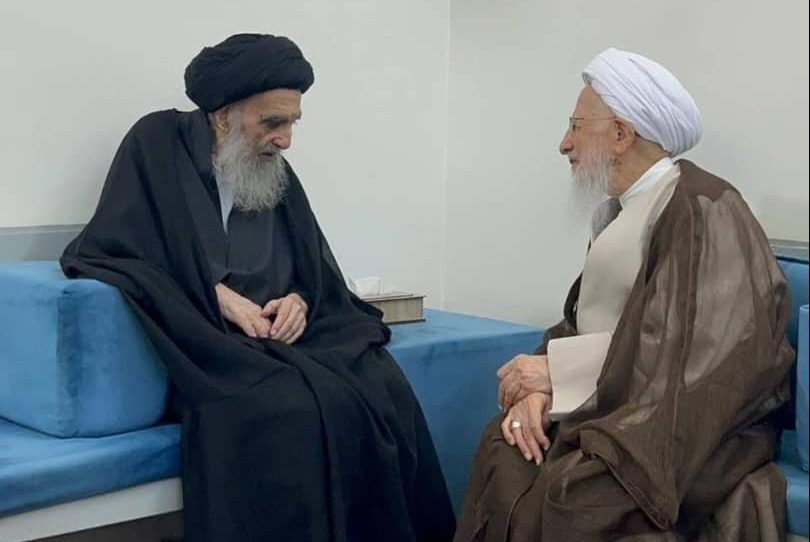
The Grand Ayatollah Sistani & the Grand Ayatollah Javadi Amoli Met in Najaf Ashraf
ethics

The Grand Ayatollah Sistani & the Grand Ayatollah Javadi Amoli Met in Najaf Ashraf

by mustafa askari
2025-05-19
Imam Ali (AS) Did Not Compromise on Unethical Politics
ethics

Imam Ali (AS) Did Not Compromise on Unethical Politics

by mustafa askari
2025-05-11
UK: Reform councillors face allegations of sharing social media Islamophobic content
ethics

UK: Reform councillors face allegations of sharing social media Islamophobic content

by mustafa askari
2025-05-11
How to be just with your children?
ethics

How to be just with your children?

by mustafa askari
2025-05-10
Next Post
Ziyarat Ale Yasin

Ziyarat Ale Yasin

Leave a Reply Cancel reply

Your email address will not be published. Required fields are marked *

Latest Post

10 facts about marriage in Islam

10 facts about marriage in Islam

2025-05-26
A Clear Message in Response to the Arrogance of Donald Trump

A Clear Message in Response to the Arrogance of Donald Trump

2025-05-24
The Grand Ayatollah Sistani & the Grand Ayatollah Javadi Amoli Met in Najaf Ashraf

The Grand Ayatollah Sistani & the Grand Ayatollah Javadi Amoli Met in Najaf Ashraf

2025-05-19
Imam Ali (AS) Did Not Compromise on Unethical Politics

Imam Ali (AS) Did Not Compromise on Unethical Politics

2025-05-11
UK: Reform councillors face allegations of sharing social media Islamophobic content

UK: Reform councillors face allegations of sharing social media Islamophobic content

2025-05-11
How to be just with your children?

How to be just with your children?

2025-05-10
Load More

Browse by Tags

Ahl al-Bayt (A.S.) Ahlul Bayt Al-Mahdi (AS) Allah Ashura Ayatollah Sobhani Ethics faith Fatima fiqh ghadir God History Holy Prophet Imam 'Ali Imam Ali (A.S.) Imam Husain Imams infallibles Islam Islamic Laws Islamic rules Jurisprudence Karbala Martyrdom morality Muhammad Nahj al Balaghah prayer prophet Quran Ramadan Reborn Salat Sayed Moustafa Qazwini shaistudies shia Shia Beliefs Shia Imams Shia Islam Shia Studie's World Assembly shiastudies Sin the differences between Shi’a and Sunni the story of those who converted to Shia Islam

The World Assembly of Shiite Studies was established in 2003 (1382 AH) by a group of scholars from seminaries and universities. The purpose of founding this independent academic institution was to introduce the school of Shi‘ism and defend its legitimacy through education, research, translation and publication, communications, and Islamic promotion. This center has continued its mission with strength and determination and envisions a bright future ahead.

Address: Qom, 45-Meter Ammar Yaser Boulevard, between Alley 4 and 6, World Assembly of Shiite Studies, Secretariat of Religious Scholars

Phone: +982537713773

Fax: +982537713774

All rights of the website are reserved and belong to the World Assembly of Shiite Studies.

Are you sure want to unlock this post?
Unlock left : 0
Are you sure want to cancel subscription?