• Home
  • Bank of Subjects of Articles
    • Bibliography
    • Characters
    • Culture and art
    • Economics
    • Educational sciences
    • ethics
    • Geography of Islamic world
    • History
    • Islamic jurisprudence and principles
    • Kalam (Islamic scholastic theology)
    • Mahdism
    • Philosophy and logic
    • Political science
    • pray and pilgrimage
    • Prophet and Ahl-al bayt
  • Islamic Teachings
  • quran
  • The Infallibles
  • Shia Beliefs
  • Morality
  • Events
    • Media Reflection
    • Muharram
    • News of Shia World
    • News of Worldly Assembly for Shia Studies
  • Home
  • Bank of Subjects of Articles
    • Bibliography
    • Characters
    • Culture and art
    • Economics
    • Educational sciences
    • ethics
    • Geography of Islamic world
    • History
    • Islamic jurisprudence and principles
    • Kalam (Islamic scholastic theology)
    • Mahdism
    • Philosophy and logic
    • Political science
    • pray and pilgrimage
    • Prophet and Ahl-al bayt
  • Islamic Teachings
  • quran
  • The Infallibles
  • Shia Beliefs
  • Morality
  • Events
    • Media Reflection
    • Muharram
    • News of Shia World
    • News of Worldly Assembly for Shia Studies
Home Bank of Subjects of Articles

Qom: One of the Focal Centers of Shi’i Muslims

by شهاب الدین مجتهدی
2020-01-08
in Bank of Subjects of Articles, Culture and art
0
Qom: One of the Focal Centers of Shi’i Muslims
0
SHARES
73
VIEWS
Share on FacebookShare on Twitter

Qom: One of the Focal Centers of Shi’i Muslims

Qom is thought to have existed in pre-Islamic ages. Archeological discoveries indicate Qom as a residential area from the 5th millennium BCE.
According to the pre-Islamic relics and historical texts, Qom was a large city.
‘Kom’ was the name of the ancient rampart of the city of Qom, thus, the Arabs called it Qom during the Arab conquests of Iran, Iranchamber wrote.

Upheavals
It was during the reign of second caliph that the Muslims captured Qom. During the persecution of Alavids by the Abbasid and Umayyad tyrants, many Alavids fled to Qom, making it their permanent home.
Caliph Al-Ma’mun sent forces to Qom in 825 AD, resulting in a public massacre and widespread destruction.
In 831 AD, upon hearing of the demise of Al-Ma’mun, the inhabitants of Qom revolted and were successful in overthrowing the representative of the caliph. However Al-Ma’mun’s successor, Al-Mu’tasim, dispatched forces to Qom to curb the riots and once again the city was set aflame.
The unrest continued until the Buwayhid Dynasty (Al-e Bouyeh in Persian) came to power, being of the Alavid community. It was during this reign that the city of Qom expanded and thrived.
In the Seljuk Era, the city flourished once again.
During the first wave of the Mongol invasion, the city witnessed destruction, but after Mongol rulers, particularly Sultan Oljaitu Khodabandeh of the Ilkhanate Dynasty, converted to Islam, the city received special attention, thus witnessing a revival once again.
In the late 14th century, the city was plundered by Tamerlane when the inhabitants were massacred again. During the rule of Qarah-Qoyounlou, Aq-Qoyounlou, and especially during the reign of the Safavids, Qom gradually developed.
By 1503, Qom became one of the important centers of Shiite theology and became a vital pilgrimage site and religious pivot.
During the Afghan invasion, Qom suffered heavy damage and its inhabitants witnessed severe economic hardships.
Qom further sustained damage during the reign of Nader Shah and the conflicts between the two households of Zandieh and Qajar to gain power in Iran.
In 1798, Qom came under the control of Aqa Mohammad Khan Qajar. Upon gaining victory over his enemies, Fath-Ali Shah made repairs to the sepulcher and Holy Shrine of Hazrat Massoumeh (SA), in fulfillment of his vow.
Qom thrived in the Qajar era. After Russian forces entered Karaj in 1915, many of the inhabitants of Tehran moved to Qom. The transfer of the capital from Tehran to Qom was discussed, but the British and Russians scuttled the plan by pressuring the monarch of the times, Ahmad Shah Qajar.
Coinciding with this period, the National Defense Committee was set up, and Qom turned into a political and military apex against the Russian and British colonial powers.
Qom was also the center from where Ayatollah Khomeini initiated his opposition to Pahlavi Dynasty.

Qom Today
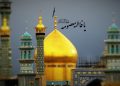
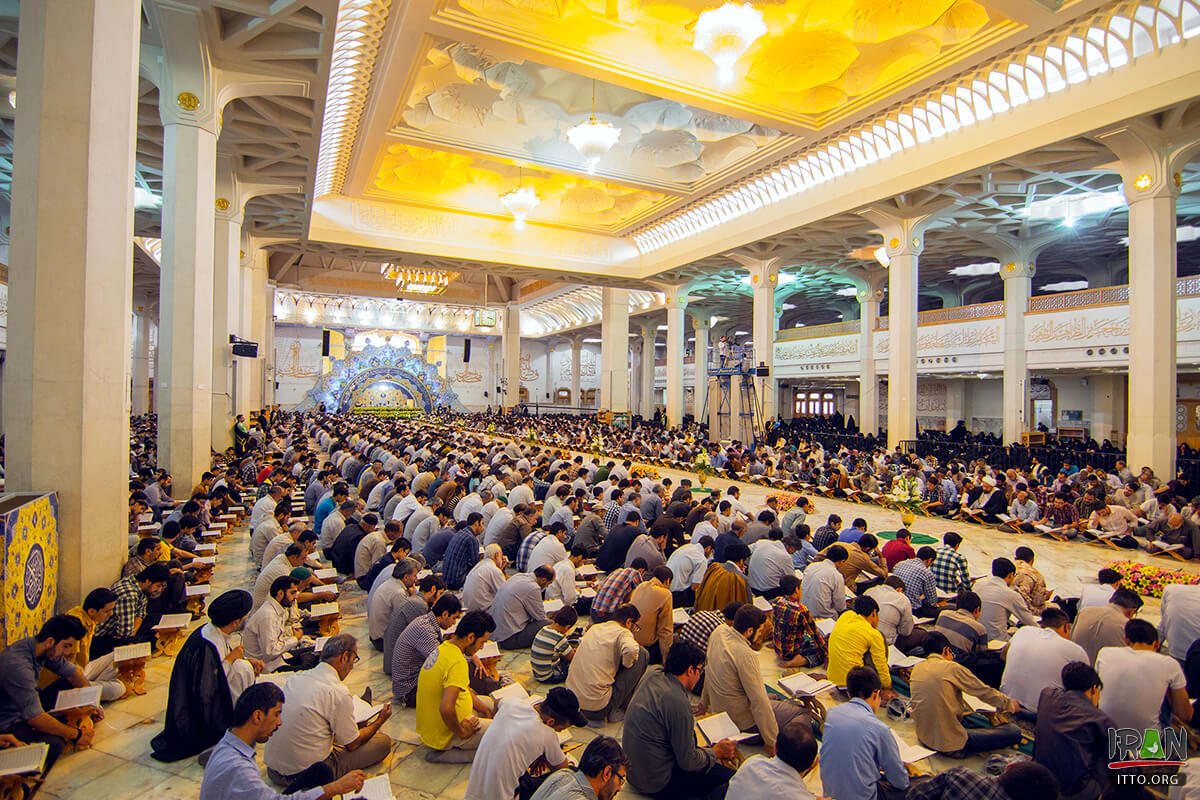
Today, Qom is considered one of the focal centers of Shiites. Its theological center and Holy Shrine of Hazrat Massoumeh (SA) are prominent features of the provincial capital of Qom province.
Another religious site is outside the city of Qom called Jamkaran. Qom’s proximity to Tehran has given it an advantage as well.
Here are some famous mosques of Qom:

Fatimah (Khanom) Mosque
This mosque was constructed by a charitable donor, a highly respected woman whose tomb lies in a special chamber alongside the mosque.
It has a large water reservoir and beautiful carpets. The mosque also has a library used by the pupils of Hazrat Jafar ibn Mohammad (AS).

Imam Hassan Askari (AS) Mosque
Located on Astaneh Avenue, this mosque is the oldest one in the province.
At present, there is no sign of any remnant of the main structure that dates back to the 3rd century AH (after hegira). Its current construction is a renovation of the old one. It is known as Atiq Mosque or Jame’ Atiq Mosque.

A’zam Mosque
This mosque is situated on the western side of Hazrat Massoumeh’s (AS) shrine. It was built by the efforts of Ayatollah Boroujerdi in 1954.
Due to its massive structure, this mosque was named A’zam (meaning grand). It has three porches and its domed nocturnal area is adorned with tilework. Balasar Mosque is next to the A’zam Mosque.

shiastudies.com

Tags: Qom: One of the Focal Centers of Shi'i Muslimsshaistudies
Previous Post

The Religion of Islam

Next Post

The Love of the Holy Prophet (S.A.W.) for His One and Only Beloved Daughter

شهاب الدین مجتهدی

Related Posts

10 facts about marriage in Islam
ethics

10 facts about marriage in Islam

by mustafa askari
2025-05-26
The Grand Ayatollah Sistani & the Grand Ayatollah Javadi Amoli Met in Najaf Ashraf
ethics

The Grand Ayatollah Sistani & the Grand Ayatollah Javadi Amoli Met in Najaf Ashraf

by mustafa askari
2025-05-19
Imam Ali (AS) Did Not Compromise on Unethical Politics
ethics

Imam Ali (AS) Did Not Compromise on Unethical Politics

by mustafa askari
2025-05-11
UK: Reform councillors face allegations of sharing social media Islamophobic content
ethics

UK: Reform councillors face allegations of sharing social media Islamophobic content

by mustafa askari
2025-05-11
How to be just with your children?
ethics

How to be just with your children?

by mustafa askari
2025-05-10
Next Post
http://shiastudies.com/en

The Love of the Holy Prophet (S.A.W.) for His One and Only Beloved Daughter

Leave a Reply Cancel reply

Your email address will not be published. Required fields are marked *

Latest Post

10 facts about marriage in Islam

10 facts about marriage in Islam

2025-05-26
A Clear Message in Response to the Arrogance of Donald Trump

A Clear Message in Response to the Arrogance of Donald Trump

2025-05-24
The Grand Ayatollah Sistani & the Grand Ayatollah Javadi Amoli Met in Najaf Ashraf

The Grand Ayatollah Sistani & the Grand Ayatollah Javadi Amoli Met in Najaf Ashraf

2025-05-19
Imam Ali (AS) Did Not Compromise on Unethical Politics

Imam Ali (AS) Did Not Compromise on Unethical Politics

2025-05-11
UK: Reform councillors face allegations of sharing social media Islamophobic content

UK: Reform councillors face allegations of sharing social media Islamophobic content

2025-05-11
How to be just with your children?

How to be just with your children?

2025-05-10
Load More

Browse by Tags

Ahl al-Bayt (A.S.) Ahlul Bayt Al-Mahdi (AS) Allah Ashura Ayatollah Sobhani Ethics faith Fatima fiqh ghadir God History Holy Prophet Imam 'Ali Imam Ali (A.S.) Imam Husain Imams infallibles Islam Islamic Laws Islamic rules Jurisprudence Karbala Martyrdom morality Muhammad Nahj al Balaghah prayer prophet Quran Ramadan Reborn Salat Sayed Moustafa Qazwini shaistudies shia Shia Beliefs Shia Imams Shia Islam Shia Studie's World Assembly shiastudies Sin the differences between Shi’a and Sunni the story of those who converted to Shia Islam

The World Assembly of Shiite Studies was established in 2003 (1382 AH) by a group of scholars from seminaries and universities. The purpose of founding this independent academic institution was to introduce the school of Shi‘ism and defend its legitimacy through education, research, translation and publication, communications, and Islamic promotion. This center has continued its mission with strength and determination and envisions a bright future ahead.

Address: Qom, 45-Meter Ammar Yaser Boulevard, between Alley 4 and 6, World Assembly of Shiite Studies, Secretariat of Religious Scholars

Phone: +982537713773

Fax: +982537713774

All rights of the website are reserved and belong to the World Assembly of Shiite Studies.

Are you sure want to unlock this post?
Unlock left : 0
Are you sure want to cancel subscription?