• Home
  • Bank of Subjects of Articles
    • Bibliography
    • Characters
    • Culture and art
    • Economics
    • Educational sciences
    • ethics
    • Geography of Islamic world
    • History
    • Islamic jurisprudence and principles
    • Kalam (Islamic scholastic theology)
    • Mahdism
    • Philosophy and logic
    • Political science
    • pray and pilgrimage
    • Prophet and Ahl-al bayt
  • Islamic Teachings
  • quran
  • The Infallibles
  • Shia Beliefs
  • Morality
  • Events
    • Media Reflection
    • Muharram
    • News of Shia World
    • News of Worldly Assembly for Shia Studies
  • Home
  • Bank of Subjects of Articles
    • Bibliography
    • Characters
    • Culture and art
    • Economics
    • Educational sciences
    • ethics
    • Geography of Islamic world
    • History
    • Islamic jurisprudence and principles
    • Kalam (Islamic scholastic theology)
    • Mahdism
    • Philosophy and logic
    • Political science
    • pray and pilgrimage
    • Prophet and Ahl-al bayt
  • Islamic Teachings
  • quran
  • The Infallibles
  • Shia Beliefs
  • Morality
  • Events
    • Media Reflection
    • Muharram
    • News of Shia World
    • News of Worldly Assembly for Shia Studies
Home Bank of Subjects of Articles ethics

Quran’s View on Good, Bad Desires

by mustafa askari
2022-12-12
in ethics
0
Quran’s View on Good, Bad Desires
0
SHARES
26
VIEWS
Share on FacebookShare on Twitter
 Inclination towards pleasures is among the innate needs of humans and the Holy Quran recognizes this need.


The Holy Quran, as the book which provides people with the best map for life, has recognized desires as a natural and accepted tendency.

Islam recommends people pay attention to sustainable desires that can lead to felicity in the Hereafter.

Verse 14 of Surah Al-Imran reads: “The love of desires, of women and sons and hoarded treasures of gold and silver and well-bred horses and cattle and tilth, is made to seem fair to men; this is the provision of the life of this world; and Allah is He with Whom is the good goal (of life).”

The verse noted that humans are adorned with the “love of desires”.

Many people may think that “desire” here refers to sexual desires, however, the concept is wider and points to the strong inclination of men to different material and spiritual issues.

Some of these desires have been symbolically named in this verse, including women and children, wealth, horses and cattle, and cultivated lands.

A deeper look into Quranic verses makes it clear that adornment is a relative concept; some of these adornments have permanent effects and add a spiritual value to people.

On the other hand, there are some inappropriate adornments that are usually material and temporary. These do not have any positive effect on improving the spiritual quality of life.

Accordingly, worshipping Allah has been described as a good lasting adornment.

Verse 32 of Surah Al-A’raf also points to some of these adornments: “Say: Who has prohibited the embellishment of Allah which He has brought forth for His servants and the good provisions? Say: These are for the believers in the life of this world, purely (theirs) on the resurrection day; thus do We make the communications clear for a people who know.”

According to this verse, Halal or legitimate worldly adornments are signs of God’s power and have been created for people.

The Noble Quran warns people of being attached to these worldly adornments, noting that such attachments could block people’s path to perfection and make them forget the Hereafter.

source: iqna

Previous Post

How Should We Pray?

Next Post

Ayatollah Khamenei Condoles Martyrdom of Iranian Sunni Cleric

mustafa askari

Related Posts

10 facts about marriage in Islam
ethics

10 facts about marriage in Islam

by mustafa askari
2025-05-26
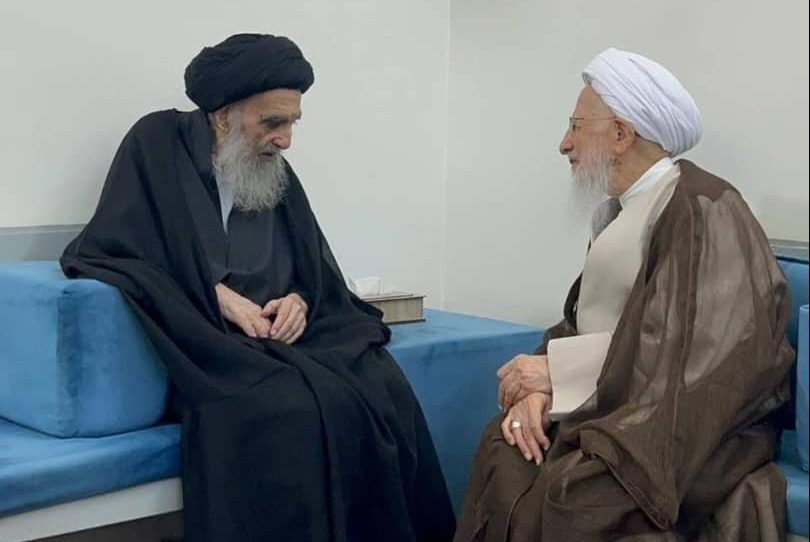
The Grand Ayatollah Sistani & the Grand Ayatollah Javadi Amoli Met in Najaf Ashraf
ethics

The Grand Ayatollah Sistani & the Grand Ayatollah Javadi Amoli Met in Najaf Ashraf

by mustafa askari
2025-05-19
Imam Ali (AS) Did Not Compromise on Unethical Politics
ethics

Imam Ali (AS) Did Not Compromise on Unethical Politics

by mustafa askari
2025-05-11
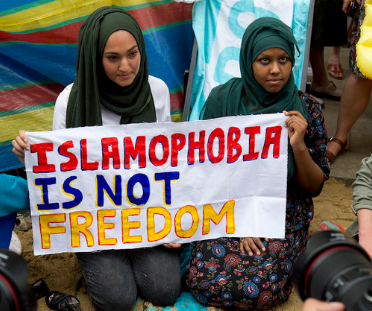
UK: Reform councillors face allegations of sharing social media Islamophobic content
ethics

UK: Reform councillors face allegations of sharing social media Islamophobic content

by mustafa askari
2025-05-11
How to be just with your children?
ethics

How to be just with your children?

by mustafa askari
2025-05-10
Next Post
Ayatollah Khamenei Condoles Martyrdom of Iranian Sunni Cleric

Ayatollah Khamenei Condoles Martyrdom of Iranian Sunni Cleric

Leave a Reply Cancel reply

Your email address will not be published. Required fields are marked *

Latest Post

10 facts about marriage in Islam

10 facts about marriage in Islam

2025-05-26
A Clear Message in Response to the Arrogance of Donald Trump

A Clear Message in Response to the Arrogance of Donald Trump

2025-05-24
The Grand Ayatollah Sistani & the Grand Ayatollah Javadi Amoli Met in Najaf Ashraf

The Grand Ayatollah Sistani & the Grand Ayatollah Javadi Amoli Met in Najaf Ashraf

2025-05-19
Imam Ali (AS) Did Not Compromise on Unethical Politics

Imam Ali (AS) Did Not Compromise on Unethical Politics

2025-05-11
UK: Reform councillors face allegations of sharing social media Islamophobic content

UK: Reform councillors face allegations of sharing social media Islamophobic content

2025-05-11
How to be just with your children?

How to be just with your children?

2025-05-10
Load More

Browse by Tags

Ahl al-Bayt (A.S.) Ahlul Bayt Al-Mahdi (AS) Allah Ashura Ayatollah Sobhani Ethics faith Fatima fiqh ghadir God History Holy Prophet Imam 'Ali Imam Ali (A.S.) Imam Husain Imams infallibles Islam Islamic Laws Islamic rules Jurisprudence Karbala Martyrdom morality Muhammad Nahj al Balaghah prayer prophet Quran Ramadan Reborn Salat Sayed Moustafa Qazwini shaistudies shia Shia Beliefs Shia Imams Shia Islam Shia Studie's World Assembly shiastudies Sin the differences between Shi’a and Sunni the story of those who converted to Shia Islam

The World Assembly of Shiite Studies was established in 2003 (1382 AH) by a group of scholars from seminaries and universities. The purpose of founding this independent academic institution was to introduce the school of Shi‘ism and defend its legitimacy through education, research, translation and publication, communications, and Islamic promotion. This center has continued its mission with strength and determination and envisions a bright future ahead.

Address: Qom, 45-Meter Ammar Yaser Boulevard, between Alley 4 and 6, World Assembly of Shiite Studies, Secretariat of Religious Scholars

Phone: +982537713773

Fax: +982537713774

All rights of the website are reserved and belong to the World Assembly of Shiite Studies.

Are you sure want to unlock this post?
Unlock left : 0
Are you sure want to cancel subscription?