• Home
  • Bank of Subjects of Articles
    • Bibliography
    • Characters
    • Culture and art
    • Economics
    • Educational sciences
    • ethics
    • Geography of Islamic world
    • History
    • Islamic jurisprudence and principles
    • Kalam (Islamic scholastic theology)
    • Mahdism
    • Philosophy and logic
    • Political science
    • pray and pilgrimage
    • Prophet and Ahl-al bayt
  • Islamic Teachings
  • quran
  • The Infallibles
  • Shia Beliefs
  • Morality
  • Events
    • Media Reflection
    • Muharram
    • News of Shia World
    • News of Worldly Assembly for Shia Studies
  • Home
  • Bank of Subjects of Articles
    • Bibliography
    • Characters
    • Culture and art
    • Economics
    • Educational sciences
    • ethics
    • Geography of Islamic world
    • History
    • Islamic jurisprudence and principles
    • Kalam (Islamic scholastic theology)
    • Mahdism
    • Philosophy and logic
    • Political science
    • pray and pilgrimage
    • Prophet and Ahl-al bayt
  • Islamic Teachings
  • quran
  • The Infallibles
  • Shia Beliefs
  • Morality
  • Events
    • Media Reflection
    • Muharram
    • News of Shia World
    • News of Worldly Assembly for Shia Studies
Home Bank of Subjects of Articles Prophet and Ahl-al bayt

In Search of the “Lost Medina”: Re-reading the Prophetic Message Amidst the Chaos of the Contemporary World

by mustafa askari
2026-09-02
in Prophet and Ahl-al bayt
0
A Clear Message in Response to the Arrogance of Donald Trump
0
SHARES
0
VIEWS
Share on FacebookShare on Twitter

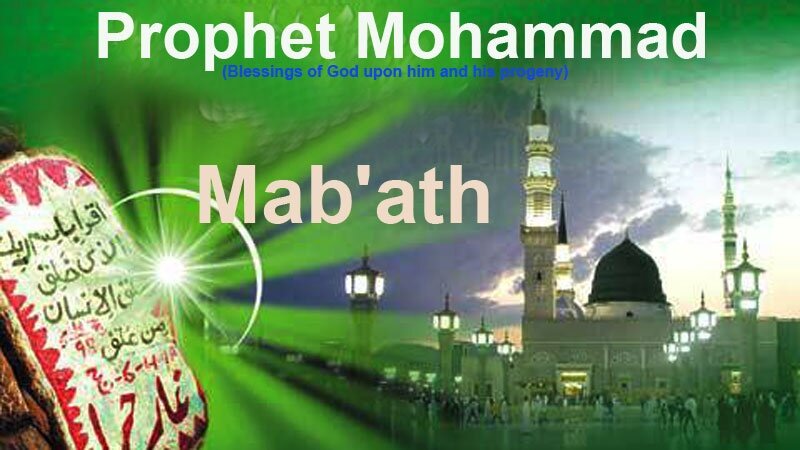
The dawn of the birth of the Prophet of Islam (PBUH) is not merely the commemoration of a calendar event in history; it is a re-reading of a “roadmap” that once invited humanity, thirsty for meaning, from the desert of ignorance and division to the spring of wisdom and oneness. Yet today, when we look at the Islamic world, a painful contradiction between “Prophetic ideals” and “social realities” is evident. Have we, in our claim of following that “Mercy to the Worlds,” settled only for superficial rituals, or have we failed to extract the “essence of his wisdom” to resolve today’s crises?

The current Islamic world is caught in a great paradox: on one hand, we see the growth of technology, modern urbanization, and widespread access to knowledge; on the other, we suffer from the erosion of social capital, fragmentation, and a crisis of meaning. The Middle East and corners of the Islamic world are burning in the fire of contradictory narratives—narratives that sometimes, in the name of religion, undermine the very roots of morality, and at other times, under the label of “Islamophobia,” hide the radiant truth of monotheism behind a veil of ethnic and sectarian prejudices.

The key point in analyzing the current situation is the “crisis of interpretation.” The Prophet (PBUH) was sent during an era when tribes were captive to “pre-Islamic tribal fanaticism” (*Asabiyyah*). He elevated small, tribal loyalties to a great human and spiritual loyalty through the institutionalization of the concept of “Ummah” (community). But today, regrettably, the Islamic world is once again embroiled in a “modern Jahiliyyah” (ignorance)—an ignorance rooted not in stone idol-worship, but in ideological, political, and sectarian idol-worship. When anger and violence are sanctioned in the name of God, this is precisely the “antithesis of prophethood.”

The renaissance required by the Islamic world lies not in distancing itself from religion, but in a “critical return to the Prophetic tradition.” The Prophetic tradition is not a static text in history books, but a “methodology of living.” Before being a “ruler,” the Prophet (PBUH) was a “teacher of morality” and a “healer of souls.” A flourishing Islamic civilization was the product of the companionship of “faith” and “rationality.” What plagues the Islamic world today is the dominance of “harmless literalism” or “dangerous extremism” over “Prophetic rationality.”

The Prophet’s birthday is an opportunity to ask: Are we truly heirs to the Prophet who was the “Completer of Noble Virtues”? Today, more than ever, the world needs a “mercy-oriented rationality.” If the Islamic world wishes to transcend this historical stagnation and chaos, it must move from the repetition of empty ideological rituals toward the recreation of civil morality.

The Medina of the Prophet (PBUH) was a city where “plurality” was dissolved in “unity.” Today, the Islamic world needs to return to that model of coexistence—a place where human dignity, beyond religious and political borders, is respected. If we cannot re-link “religion” to “morality,” and if we cannot liberate “politics” from the shackles of “takfir (excommunication) and prejudice,” the Prophet’s birthday will remain a mere theatrical ritual rather than the beginning of a transformation that the modern world so desperately craves.

Perhaps the Prophet’s birthday is a reminder to ask ourselves: Are we presenting an image of Islam to a world in need of “peace” and “justice” that is “comforting” or “fear-mongering”? The Prophetic truth is a light that must be reflected in the mirror of our morality; otherwise, the world will remain trapped in the darkness of division.

By: Ayat Peyman
Previous Post

What are Al Mujahidin Manners

mustafa askari

Related Posts

Statement by the World Assembly for Shiite Studies on the Occasion of the Blessed Ascension (Mab’ath) of the Holy Prophet (PBUH)
Prophet and Ahl-al bayt

Statement by the World Assembly for Shiite Studies on the Occasion of the Blessed Ascension (Mab’ath) of the Holy Prophet (PBUH)

by mustafa askari
2025-01-31
Researcher: The Prophet Muhammad’s (PBUH) Guidance Led To a Human Society
Prophet and Ahl-al bayt

Researcher: The Prophet Muhammad’s (PBUH) Guidance Led To a Human Society

by mustafa askari
2024-11-06
13 Environmental Principles in Holy Quran and Sayings of Prophet Muhammad (PBUH)
Prophet and Ahl-al bayt

13 Environmental Principles in Holy Quran and Sayings of Prophet Muhammad (PBUH)

by mustafa askari
2024-11-03
10 Facts About Administration of the Prophet Muhammad (PBUH)
Prophet and Ahl-al bayt

10 Facts About Administration of the Prophet Muhammad (PBUH)

by mustafa askari
2024-10-12
Upholding Religious Rites, Values among Divine Prophets’ Missions
Prophet and Ahl-al bayt

Upholding Religious Rites, Values among Divine Prophets’ Missions

by mustafa askari
2023-11-13

Leave a Reply Cancel reply

Your email address will not be published. Required fields are marked *

Latest Post

A Clear Message in Response to the Arrogance of Donald Trump

In Search of the “Lost Medina”: Re-reading the Prophetic Message Amidst the Chaos of the Contemporary World

2026-09-02
Defence, The Quiddity of Jihad

What are Al Mujahidin Manners

2026-08-22
10 facts about marriage in Islam

10 facts about marriage in Islam

2025-05-26
A Clear Message in Response to the Arrogance of Donald Trump

A Clear Message in Response to the Arrogance of Donald Trump

2025-05-24
The Grand Ayatollah Sistani & the Grand Ayatollah Javadi Amoli Met in Najaf Ashraf

The Grand Ayatollah Sistani & the Grand Ayatollah Javadi Amoli Met in Najaf Ashraf

2025-05-19
Imam Ali (AS) Did Not Compromise on Unethical Politics

Imam Ali (AS) Did Not Compromise on Unethical Politics

2025-05-11
Load More

Browse by Tags

Ahl al-Bayt (A.S.) Ahlul Bayt Al-Mahdi (AS) Allah Ashura Ayatollah Sobhani Ethics faith Fatima fiqh ghadir God History Holy Prophet Imam 'Ali Imam Ali (A.S.) Imam Husain Imams infallibles Islam Islamic Laws Islamic rules Jurisprudence Karbala Martyrdom morality Muhammad Nahj al Balaghah prayer prophet Quran Ramadan Reborn Salat Sayed Moustafa Qazwini shaistudies shia Shia Beliefs Shia Imams Shia Islam Shia Studie's World Assembly shiastudies Sin the differences between Shi’a and Sunni the story of those who converted to Shia Islam

The World Assembly of Shiite Studies was established in 2003 (1382 AH) by a group of scholars from seminaries and universities. The purpose of founding this independent academic institution was to introduce the school of Shi‘ism and defend its legitimacy through education, research, translation and publication, communications, and Islamic promotion. This center has continued its mission with strength and determination and envisions a bright future ahead.

Address: Qom, 45-Meter Ammar Yaser Boulevard, between Alley 4 and 6, World Assembly of Shiite Studies, Secretariat of Religious Scholars

Phone: +982537713773

Fax: +982537713774

All rights of the website are reserved and belong to the World Assembly of Shiite Studies.