• Home
  • Bank of Subjects of Articles
    • Bibliography
    • Characters
    • Culture and art
    • Economics
    • Educational sciences
    • ethics
    • Geography of Islamic world
    • History
    • Islamic jurisprudence and principles
    • Kalam (Islamic scholastic theology)
    • Mahdism
    • Philosophy and logic
    • Political science
    • pray and pilgrimage
    • Prophet and Ahl-al bayt
  • Islamic Teachings
  • quran
  • The Infallibles
  • Shia Beliefs
  • Morality
  • Events
    • Media Reflection
    • Muharram
    • News of Shia World
    • News of Worldly Assembly for Shia Studies
  • Home
  • Bank of Subjects of Articles
    • Bibliography
    • Characters
    • Culture and art
    • Economics
    • Educational sciences
    • ethics
    • Geography of Islamic world
    • History
    • Islamic jurisprudence and principles
    • Kalam (Islamic scholastic theology)
    • Mahdism
    • Philosophy and logic
    • Political science
    • pray and pilgrimage
    • Prophet and Ahl-al bayt
  • Islamic Teachings
  • quran
  • The Infallibles
  • Shia Beliefs
  • Morality
  • Events
    • Media Reflection
    • Muharram
    • News of Shia World
    • News of Worldly Assembly for Shia Studies
Home Shia Beliefs

Performance of the Obligatory Religious Duties

by javad
2021-11-09
in Shia Beliefs
0
0
SHARES
63
VIEWS
Share on FacebookShare on Twitter

Performance of the Obligatory Religious Duties

 Performance of the Obligatory Religious Duties: The Greater Sin is to omit or not to perform any single obligatory religious duty which has been made obligatory. It is mentioned in the Sahifa of Abdul Azīm which quotes traditions from Imam Jawad, Imam Riďa, Imam Kadhim and Imam Sadiq (a.s.) that to forgo any act which is made incumbent upon us by Allah (S.w.T.) is a greater sin.

The Messenger of Allah (S) said, “One who omits Prayer intentionally has indeed gone out of the refuge (beyond the pale) of Allah (S.w.T.) and His Messenger (S)”.
Imam Sadiq (a.s.) says that neglecting a divine command is infidelity as mentioned in the following words of the Almighty, “Do you then believe in a part of the Book and disbelieve in the other? What then is the reward of such among you as do this but disgrace in the life of this world and on the day of resurrection they shall be sent back to the most grievous chastisement and Allah is not at all heedless of what you do.” (Surah al-Baqarah 2: 85)
Imam (a.s.) said, “Allah has considered as infidels those who neglect His commands. He refers to them as believers but does not accept their belief and did not consider it beneficial for them. Rather He says that their recompense in this world is disgrace and in the Hereafter is a terrible punishment.”
In addition to this Imam (a.s.) also said, “The Almighty shall not cast a glance of Mercy upon one who leaves a Wajib duty or commits a greater sin. And He shall not cleanse him of his sins.”
The narrator asked in surprise, “Does Allah (really ) not look at this person with mercy?”
Imam (a.s.) replied, “This is because he has become a polytheist assigning a partner.”
“Did he (really) become a polytheists?” asked the narrator in astonishment.
Imam (a.s.) continued, “This is because Allah has issued a command and Shaitan had issued another (that is Shaitan Commanded not to do what Allah had ordered). This person neglected Allah’s command and accepted the order of Shaitan (that is he left a Wajib and performed a Harām act)
Thus this person shall abide in the seventh layer where abide the hypocrites of Hell with Shaitan because he had obeyed the latter.” (Wasa’il ul-Shia, Vol. 1 page 25)
The words of Imam (a.s.) imply that polytheism here denotes polytheism in obedience as mentioned previously in the discussion of Polytheism.

Corruption and a terrible chastisement
The Qur’anic ayats (verses) that have warned against opposition to Divine commands and decreed punishment for the same includes the ayat of Surah an-Nūr: “…therefore let those beware who go against His order lest a trial afflict them or there befall them a painful chastisement.” (Surah an-Nūr 24: 63)
According to commentators of Qur’an the word, “trial” denotes worldly afflictions and “painful chastisement” as associated with the Hereafter. It is also possible that both of them signify both types of afflictions, worldly as well as in the Hereafter. Many traditions emphasize the absolute necessity of fulfilling obligatory religious duties. One such tradition is as follows: The Messenger of Allah (S) states, “On the night of Miraj Allah the Almighty said, “No slave can gain proximity to Me without fulfilling the duties that I made incumbent on him?” (al-Kāfi Vol. 2, page 82)
The Holy Prophet (S) also says, “Act upon the obligatory acts so that you become the most pious among men.” (al-Kāfi Vol. 2 page 83)

What are Wajibāt (Obligatory Acts)?
Any action that is commanded by Allah (S.w.T.), the performance of which carries rewards and its neglect is assured punishment is a Wajib. There are many Wajibāt of the Almighty but the most important of them on which is based the foundation of Islam are five: Prayer, Fast, Hajj, Zakat and Wilāyat, Some traditions refer to these as the pillars of faith and the codes of Islam. The compiler of Wasa’il ul-Shia has mentioned some of these traditions and then remarked, “Amr bil Ma’rūf and Nahy Anil Munkar is a form of Jihad and Jihad comes under Wilāyat.”
As indicated in the traditions since Khums is the substitute for the rights of Sadat, it is a part of Wilāyat too. In this way the pillars of faith or the branches of religion number ten:
1. Prayer
2. Fast
3. Hajj
4. Zakat
5. Khums
6. Jihad
7. Amr bil Ma’rūf
8. Nahy Anil Munkar
9. Tawalla
10. Tabarra.

FATIMA (A.S ) IN QURAN

Tags: IslamJurisprudenceObligatory Dutiesreligious dutiesshiaShia Studie's World Assembly
Previous Post

Who were the killers of Imam Husayn(a.s)?

Next Post

What is meant by the Qualified Jurist?

javad

Related Posts

Seven teachers shot Martyred in terrorist attack in Parachinar school, Pakistan
Shia Beliefs

Seven teachers shot Martyred in terrorist attack in Parachinar school, Pakistan

by mustafa askari
2023-05-06
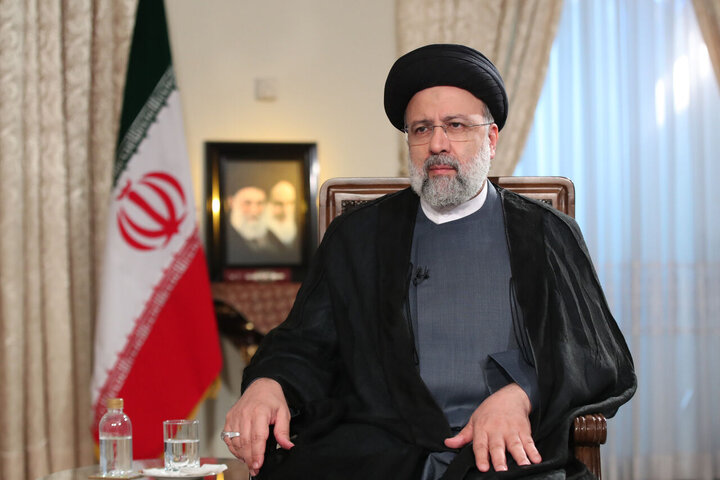
Pres. Raisi: Zionist regime to end after first attack against Iran
Shia Beliefs

Pres. Raisi: Zionist regime to end after first attack against Iran

by mustafa askari
2023-05-04
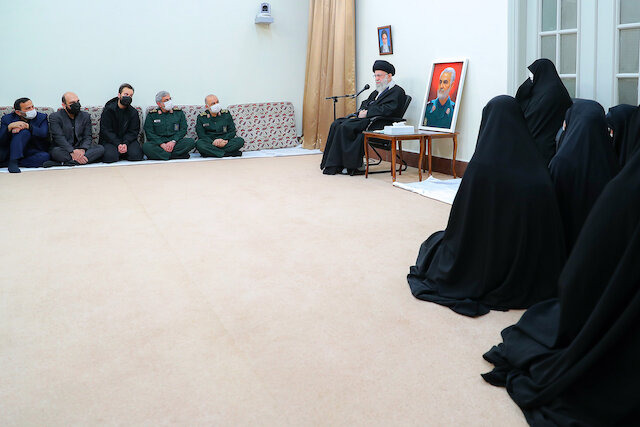
Imam Khamenei: Gen. Soleimani equipped eternal phenomenon of “resistance” against US & Zionist regime
Shia Beliefs

Imam Khamenei: Gen. Soleimani equipped eternal phenomenon of “resistance” against US & Zionist regime

by mustafa askari
2023-01-02
Absence of Mahdi (a.s.)
Shia Beliefs

Four Historical Events of this Day of 9th Rabi al-Awwal

by mustafa askari
2022-10-04
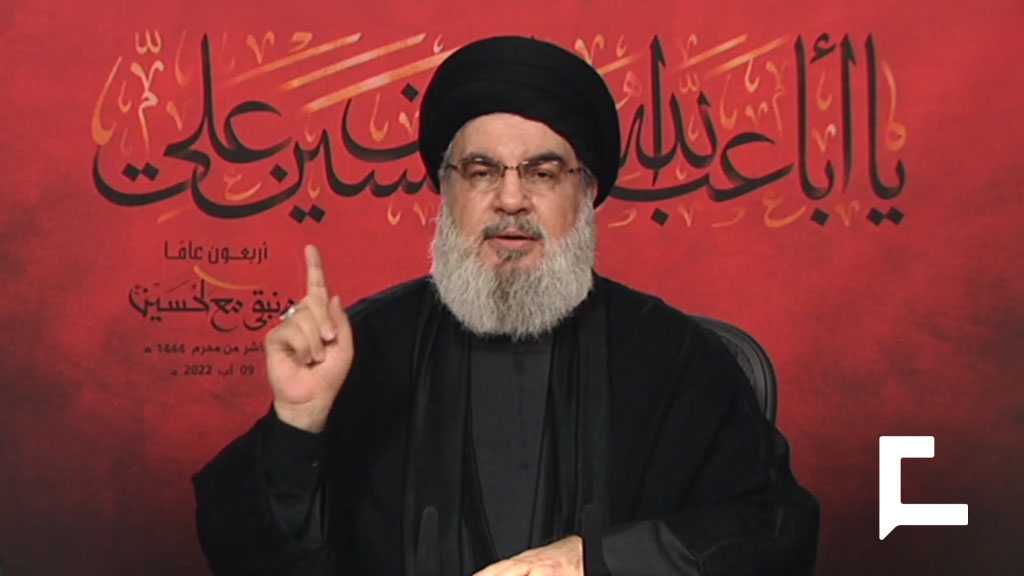
Sayyed Nasrallah: Hezbollah stronger than Ever, serious and ready for any scenario
Shia Beliefs

Sayyed Nasrallah: Hezbollah stronger than Ever, serious and ready for any scenario

by mustafa askari
2022-08-15
Next Post
Subjects of Jurisprudence

What is meant by the Qualified Jurist?

Leave a Reply Cancel reply

Your email address will not be published. Required fields are marked *

Latest Post

10 facts about marriage in Islam

10 facts about marriage in Islam

2025-05-26
A Clear Message in Response to the Arrogance of Donald Trump

A Clear Message in Response to the Arrogance of Donald Trump

2025-05-24
The Grand Ayatollah Sistani & the Grand Ayatollah Javadi Amoli Met in Najaf Ashraf

The Grand Ayatollah Sistani & the Grand Ayatollah Javadi Amoli Met in Najaf Ashraf

2025-05-19
Imam Ali (AS) Did Not Compromise on Unethical Politics

Imam Ali (AS) Did Not Compromise on Unethical Politics

2025-05-11
UK: Reform councillors face allegations of sharing social media Islamophobic content

UK: Reform councillors face allegations of sharing social media Islamophobic content

2025-05-11
How to be just with your children?

How to be just with your children?

2025-05-10
Load More

Browse by Tags

Ahl al-Bayt (A.S.) Ahlul Bayt Al-Mahdi (AS) Allah Ashura Ayatollah Sobhani Ethics faith Fatima fiqh ghadir God History Holy Prophet Imam 'Ali Imam Ali (A.S.) Imam Husain Imams infallibles Islam Islamic Laws Islamic rules Jurisprudence Karbala Martyrdom morality Muhammad Nahj al Balaghah prayer prophet Quran Ramadan Reborn Salat Sayed Moustafa Qazwini shaistudies shia Shia Beliefs Shia Imams Shia Islam Shia Studie's World Assembly shiastudies Sin the differences between Shi’a and Sunni the story of those who converted to Shia Islam

The World Assembly of Shiite Studies was established in 2003 (1382 AH) by a group of scholars from seminaries and universities. The purpose of founding this independent academic institution was to introduce the school of Shi‘ism and defend its legitimacy through education, research, translation and publication, communications, and Islamic promotion. This center has continued its mission with strength and determination and envisions a bright future ahead.

Address: Qom, 45-Meter Ammar Yaser Boulevard, between Alley 4 and 6, World Assembly of Shiite Studies, Secretariat of Religious Scholars

Phone: +982537713773

Fax: +982537713774

All rights of the website are reserved and belong to the World Assembly of Shiite Studies.

Are you sure want to unlock this post?
Unlock left : 0
Are you sure want to cancel subscription?