• Home
  • Bank of Subjects of Articles
    • Bibliography
    • Characters
    • Culture and art
    • Economics
    • Educational sciences
    • ethics
    • Geography of Islamic world
    • History
    • Islamic jurisprudence and principles
    • Kalam (Islamic scholastic theology)
    • Mahdism
    • Philosophy and logic
    • Political science
    • pray and pilgrimage
    • Prophet and Ahl-al bayt
  • Islamic Teachings
  • quran
  • The Infallibles
  • Shia Beliefs
  • Morality
  • Events
    • Media Reflection
    • Muharram
    • News of Shia World
    • News of Worldly Assembly for Shia Studies
  • Home
  • Bank of Subjects of Articles
    • Bibliography
    • Characters
    • Culture and art
    • Economics
    • Educational sciences
    • ethics
    • Geography of Islamic world
    • History
    • Islamic jurisprudence and principles
    • Kalam (Islamic scholastic theology)
    • Mahdism
    • Philosophy and logic
    • Political science
    • pray and pilgrimage
    • Prophet and Ahl-al bayt
  • Islamic Teachings
  • quran
  • The Infallibles
  • Shia Beliefs
  • Morality
  • Events
    • Media Reflection
    • Muharram
    • News of Shia World
    • News of Worldly Assembly for Shia Studies
Home Bank of Subjects of Articles Kalam (Islamic scholastic theology)

Is Naskh (Abrogation) Permitted in the Religious Laws?

by javad
2021-05-30
in Kalam (Islamic scholastic theology)
0
The Holy Qur’an is to lead the proper way of life
0
SHARES
26
VIEWS
Share on FacebookShare on Twitter

Is Naskh (Abrogation) Permitted in the Religious Laws?

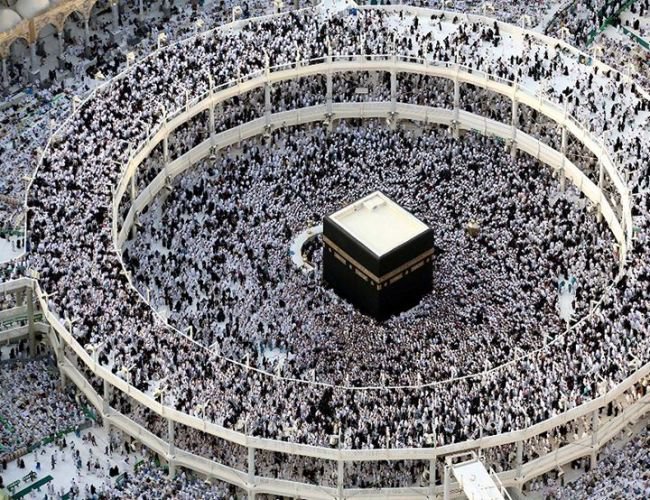
Is Naskh (Abrogation) Permitted in the Religious Laws? According to the dictionary, نَسْخ means to efface and to dispel while, in the terminology of the Shari\’ah, it means altering one ruling and replacing it with another one. For example: After the emigration to Medinah, the Muslims, for a period of fifteen months, offered their prayers in the direction of Bayt al-Maqdas after which the order to change the Qiblah was issued and all of them were obliged to face the Ka\’bah while offering their prayers.

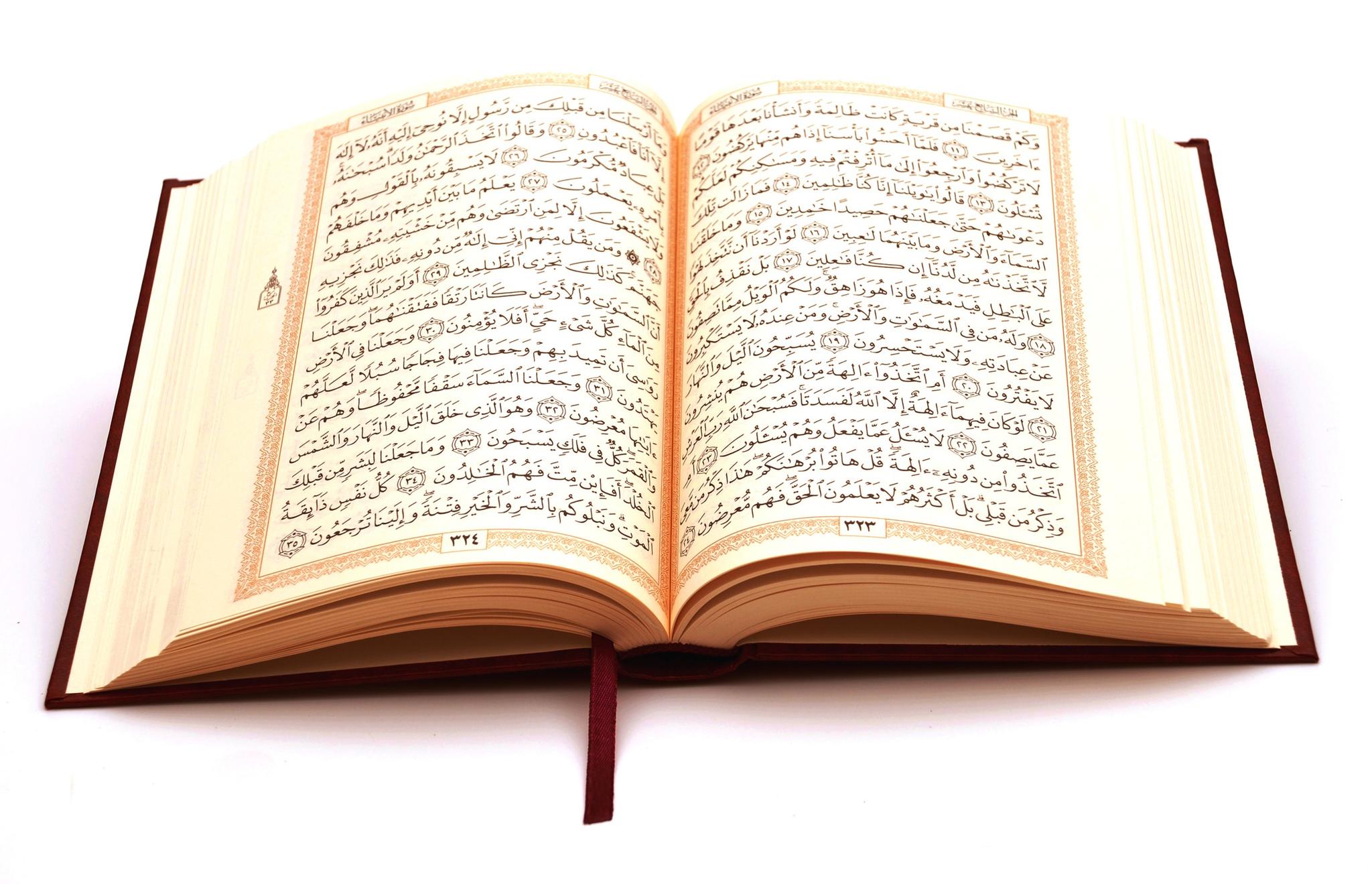
In verse 15 of Suratul Nisa, the punishment stipulated for women, who committed fornication, was that if four witnesses testified to the crime they should be imprisoned in the house until death overtook them or until the time Allah (s.w.t.) decreed another alternative for them.
This verse was abrogated by means of verse 2 of Suratul Nur in which their punishment was changed to one hundred lashes.
At this juncture, there is a well-known objection, which is propounded as follows: If the first ruling possessed expediency and common good, then why was it abrogated? And if not, why was it legislated in the first place?
In other words: Why was this ruling not legislated from the very beginning so as to not have needed alteration?
Islamic scholars, since ancient times, have presented the answer to this question in their books which, together with our explanation, is as follows: We do know that at times, with the change in time and conditions of the environment, man\’s needs change while at other times they remain stable. One day a programme guarantees his success while on another day, due to changes in circumstances, it is likely that the same programme acts as an obstacle in his path of progress.
One day a particular medicine is extraordinarily effective for a sick person and so the doctor prescribes it for him, but on another day, due to a comparative betterment of his state, it is possible that this medicine could even be detrimental for him and so the doctor orders it to be discontinued and substitutes it with another medicine.
It is possible that a book is beneficial for a student this year but useless for him the next. An experienced teacher should adjust the course such that year after year only those books, which are necessary for the students and ought to be taught.
This issue, especially in view of the laws regarding the development of man and societies, becomes clearer; in the course of human development and perfection, at times a programme is beneficial and constructive while at times, detrimental and therefore in need of a change. The need for changing the curriculum at various time-intervals appears to become more manifest, particularly during the start of social and ideological revolutions.
Of course, it ought not to be forgotten that the fundamentals of Divine laws which constitute the basic foundations are the same everywhere; under no circumstances shall Unity, social justice or hundreds of other such rulings ever undergo an alteration. The change only occurs in secondary issues.
Additionally, it should not be forgotten that indeed the development of religions can reach such a state that the final religion is revealed as the Seal of the religions, such that there can be no alteration in its rulings.[168]
Notes:
[168] Tafsir-e-Namuna, vol. 1, pg. 390
Tags: IslamkalamNaskhShia Studie's World AssemblyTheology
Previous Post

Is allocation of one half of Khums for the Bani Hashim not favouritism?

Next Post

What is the secret and philosophy of Hajj?

javad

Related Posts

The Captivity Journey
ethics

The Captivity Journey

by mustafa askari
2023-07-10
Why Shiism is named Jafri religion?
Kalam (Islamic scholastic theology)

Why Shiism is named Jafri religion?

by mustafa askari
2022-10-24
Comparing Imamiyya to Mutazila
Kalam (Islamic scholastic theology)

Comparing Imamiyya to Mutazila

by mustafa askari
2022-06-09
Islamic Teachings

The Ninety Nine Attributes of Allah part five

by javad
2022-02-10
Islamic Teachings

Transitory Nature Of The World

by javad
2022-02-10
Next Post
Social Dimensions of Hajj

What is the secret and philosophy of Hajj?

Leave a Reply Cancel reply

Your email address will not be published. Required fields are marked *

Latest Post

10 facts about marriage in Islam

10 facts about marriage in Islam

2025-05-26
A Clear Message in Response to the Arrogance of Donald Trump

A Clear Message in Response to the Arrogance of Donald Trump

2025-05-24
The Grand Ayatollah Sistani & the Grand Ayatollah Javadi Amoli Met in Najaf Ashraf

The Grand Ayatollah Sistani & the Grand Ayatollah Javadi Amoli Met in Najaf Ashraf

2025-05-19
Imam Ali (AS) Did Not Compromise on Unethical Politics

Imam Ali (AS) Did Not Compromise on Unethical Politics

2025-05-11
UK: Reform councillors face allegations of sharing social media Islamophobic content

UK: Reform councillors face allegations of sharing social media Islamophobic content

2025-05-11
How to be just with your children?

How to be just with your children?

2025-05-10
Load More

Browse by Tags

Ahl al-Bayt (A.S.) Ahlul Bayt Al-Mahdi (AS) Allah Ashura Ayatollah Sobhani Ethics faith Fatima fiqh ghadir God History Holy Prophet Imam 'Ali Imam Ali (A.S.) Imam Husain Imams infallibles Islam Islamic Laws Islamic rules Jurisprudence Karbala Martyrdom morality Muhammad Nahj al Balaghah prayer prophet Quran Ramadan Reborn Salat Sayed Moustafa Qazwini shaistudies shia Shia Beliefs Shia Imams Shia Islam Shia Studie's World Assembly shiastudies Sin the differences between Shi’a and Sunni the story of those who converted to Shia Islam

The World Assembly of Shiite Studies was established in 2003 (1382 AH) by a group of scholars from seminaries and universities. The purpose of founding this independent academic institution was to introduce the school of Shi‘ism and defend its legitimacy through education, research, translation and publication, communications, and Islamic promotion. This center has continued its mission with strength and determination and envisions a bright future ahead.

Address: Qom, 45-Meter Ammar Yaser Boulevard, between Alley 4 and 6, World Assembly of Shiite Studies, Secretariat of Religious Scholars

Phone: +982537713773

Fax: +982537713774

All rights of the website are reserved and belong to the World Assembly of Shiite Studies.

Are you sure want to unlock this post?
Unlock left : 0
Are you sure want to cancel subscription?