• Home
  • Bank of Subjects of Articles
    • Bibliography
    • Characters
    • Culture and art
    • Economics
    • Educational sciences
    • ethics
    • Geography of Islamic world
    • History
    • Islamic jurisprudence and principles
    • Kalam (Islamic scholastic theology)
    • Mahdism
    • Philosophy and logic
    • Political science
    • pray and pilgrimage
    • Prophet and Ahl-al bayt
  • Islamic Teachings
  • quran
  • The Infallibles
  • Shia Beliefs
  • Morality
  • Events
    • Media Reflection
    • Muharram
    • News of Shia World
    • News of Worldly Assembly for Shia Studies
  • Home
  • Bank of Subjects of Articles
    • Bibliography
    • Characters
    • Culture and art
    • Economics
    • Educational sciences
    • ethics
    • Geography of Islamic world
    • History
    • Islamic jurisprudence and principles
    • Kalam (Islamic scholastic theology)
    • Mahdism
    • Philosophy and logic
    • Political science
    • pray and pilgrimage
    • Prophet and Ahl-al bayt
  • Islamic Teachings
  • quran
  • The Infallibles
  • Shia Beliefs
  • Morality
  • Events
    • Media Reflection
    • Muharram
    • News of Shia World
    • News of Worldly Assembly for Shia Studies
Home Jurisprudence

What is the need to face the Qiblah in prayers?

by javad
2021-06-01
in Jurisprudence, Kalam (Islamic scholastic theology)
0
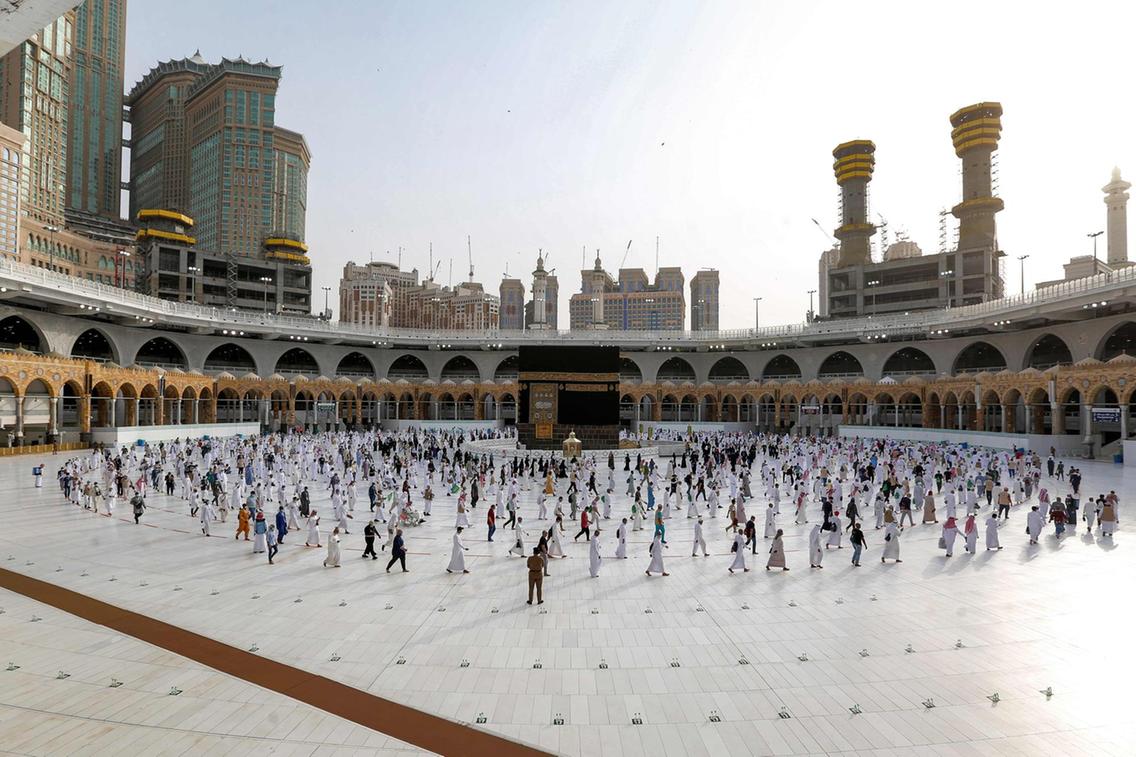
Saudi’s condition for people who intend to participate in Hajj 2021
0
SHARES
74
VIEWS
Share on FacebookShare on Twitter

What is the need to face the Qiblah in prayers?

Verse number 115 of Suratul Baqarah states:
{وَ لِلٌّهِ الْمَشْرِقُ وَ الْمَغْرِبُ فَأَيْنَمَا تُوَلُّوا فَثَمَّ وَجْهُ اللٌّهِ‏}
“To Allah belong the east and the West: Whithersoever ye turn, there is the presence of Allah.”
In consideration of the above verse the question that comes to mind is: If Allah is present wherever we face, what then is the need to face the Qiblah (during the prayers)?
(The order for) facing the Qiblah is not at all intended to confine the presence of the Holy Allah in a particular direction. However, since man is a material entity and thus, must necessarily face a direction while offering his prayers, it has been ruled that all should face one particular direction during their prayers. This is with the objective of realizing unity and harmony amongst the Muslims, and preventing confusion, disorder and scattering amongst them. Just reflect how scathing and disorderly it would be if each person were to offer his prayers in a different direction and the people were to establish scattered rows (for the prayers)?
Incidentally, the direction that has been stipulated as the Qiblah (the direction towards the Ka\’bah) is a region that is not only holy but also one of the most ancient bases of monotheism and so, directing oneself towards it serves to awaken the monotheistic reminiscences (within oneself).[14]

5. What secrets lay behind the changing of the Qiblah?
The change of Qiblah from Bayt al-Maqdas to the holy Ka\’bah was a puzzle for everyone; those who were of the opinion that every rule ought to be permanent and unchanging, mused: If we had to necessarily pray in the direction of the Ka\’bah, why was it not ordered from the very onset? If Bayt al-Maqdas, which had been regarded as the Qiblah for the previous prophets was superior, why then was it changed?
The enemies too found the issue a fertile ground to poison the minds of the people. They probably might have said: At the start he (s.a.w) turned towards the Qiblah of the previous prophets but after tasting victories he was overcome by racial and nationalistic tendencies and therefore substituted it with the Qiblah of his own people!
Or they might have said: He initially accepted Bayt al-Maqdas to be his Qiblah in order to attract the Jews and the Christians towards his religion, but later, when he observed that it did not prove effective, he changed it to the Ka\’bah.
The agitation and commotion that these whisperings must have generated – especially in a society in which the sediments of the eras of idolatry and polytheism still existed, and one that had yet to be completely illuminated by the light of knowledge, science, and faith – is all too evident.
As a result, the Qur`an explicitly states in verse 143 of Suratul Baqarah that this was a great trial to discern the stance adopted by the believers and the polytheists.
It is not improbable that one of the important reasons for the change in Qiblah could be the following issue: In that period, since the Ka\’bah had been the hub for the idols of the polytheists it was ordered that the Muslims should temporarily offer their prayers in the direction of Bayt al-Maqdas and in this way separate their ranks and disassociate themselves from the polytheists. But when they emigrated to Madinah and established their own community and rule, and when their ranks were completely demarcated from that of the others, it was not necessary to continue with the existing posture and hence they returned towards the holy Ka\’bah, the most ancient focal point of the prophets and the centre of monotheism.
It is plainly evident that offering prayers in the direction of Bayt al-Maqdas was very difficult for those, who regarded the Ka\’bah to be the spiritual edifice of their own tribe, and equally difficult was the return towards the Ka\’bah, after having become habituated to the first Qiblah.
In this manner the believers were placed in a crucible of examination in order that the traces of polytheism, which still existed within themselves, get burnt away in the hot furnace of this test, they sever their association with their polytheistic past, and there develops within them the spirit of absolute submission before the orders of Allah.
Basically, just as we have previously mentioned, Allah does not possess any place or location; the Qiblah is just a code for establishing unity within the ranks of the believers and reviving the reminiscences of monotheism and so, changing it would not transform anything. The important thing is to submit to His commands and shatter the idols of fanaticism, stubbornness and egotism.[15]
Notes:
[14] Tafsir-e-Namunah, vol. 1, pg. 415
[15] Tafsir-e-Namunah, vol. 1, pg. 485
maintenance

Tags: face the QiblahprayersQiblahSalatShia Studie's World Assemblythe Kaaba
Previous Post

Why eating meat is allowed?

Next Post

Why do we pray in Arabic?

javad

Related Posts

Senior Scholar: Quran and Ahl al-Bayt Are Pillars of Muslim Solidarity
Jurisprudence

Senior Scholar: Quran and Ahl al-Bayt Are Pillars of Muslim Solidarity

by mustafa askari
2025-05-10
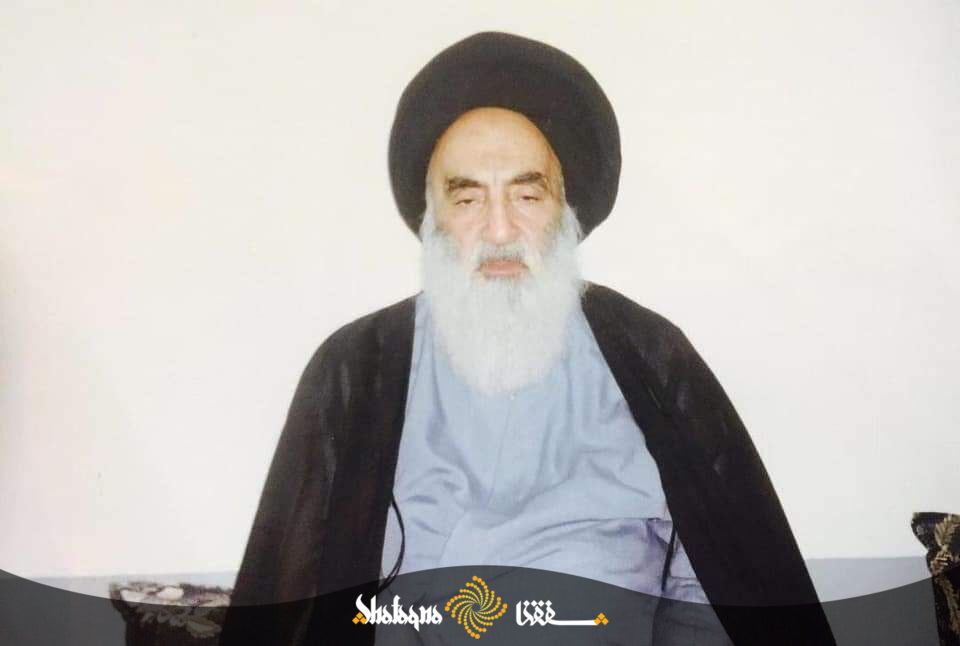
The Grand Ayatollah Sistani Fatwas About “Male and Female Relations”
Jurisprudence

The Grand Ayatollah Sistani Fatwas About “Male and Female Relations”

by mustafa askari
2024-10-02
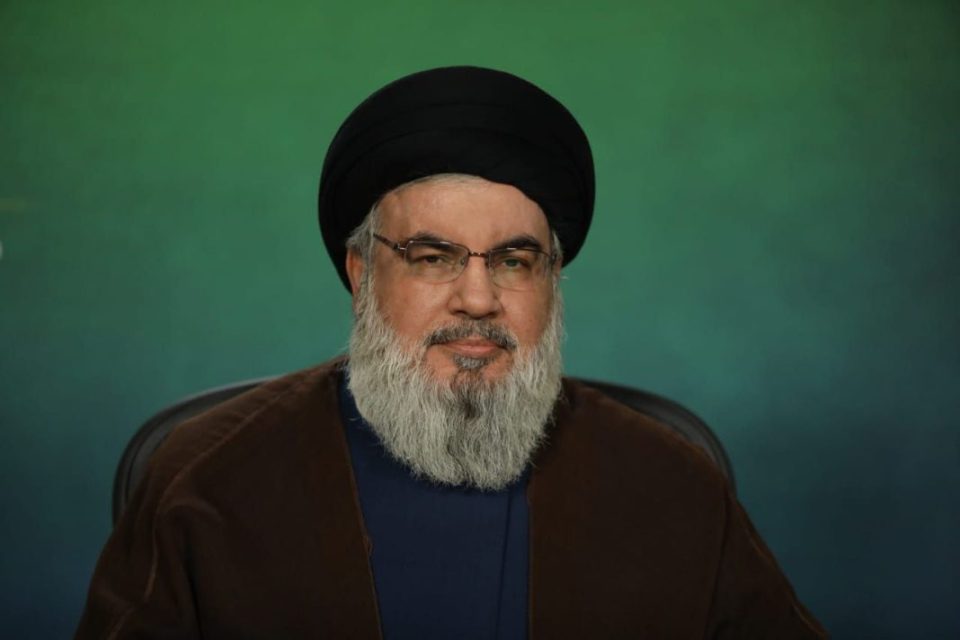
All NewsFeaturedMiddle EastOther News Aljazeera: Nasrallah says Israel is pursuing goal it cannot achieve
Islamic Teachings

All NewsFeaturedMiddle EastOther News Aljazeera: Nasrallah says Israel is pursuing goal it cannot achieve

by mustafa askari
2023-11-04
The Captivity Journey
ethics

The Captivity Journey

by mustafa askari
2023-07-10
Imam Khamenei: “Propaganda” at core of enemy’s schemes in recent riots & “jihad of clarification” the way to fight it
Jurisprudence

Imam Khamenei: “Propaganda” at core of enemy’s schemes in recent riots & “jihad of clarification” the way to fight it

by mustafa askari
2023-01-10
Next Post

Why do we pray in Arabic?

Leave a Reply Cancel reply

Your email address will not be published. Required fields are marked *

Latest Post

10 facts about marriage in Islam

10 facts about marriage in Islam

2025-05-26
A Clear Message in Response to the Arrogance of Donald Trump

A Clear Message in Response to the Arrogance of Donald Trump

2025-05-24
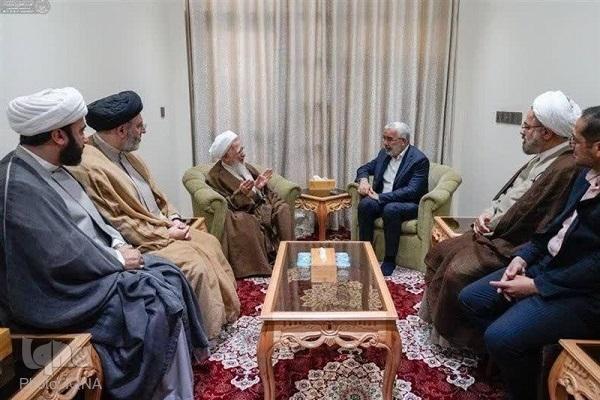
The Grand Ayatollah Sistani & the Grand Ayatollah Javadi Amoli Met in Najaf Ashraf

The Grand Ayatollah Sistani & the Grand Ayatollah Javadi Amoli Met in Najaf Ashraf

2025-05-19
Imam Ali (AS) Did Not Compromise on Unethical Politics

Imam Ali (AS) Did Not Compromise on Unethical Politics

2025-05-11
UK: Reform councillors face allegations of sharing social media Islamophobic content

UK: Reform councillors face allegations of sharing social media Islamophobic content

2025-05-11
How to be just with your children?

How to be just with your children?

2025-05-10
Load More

Browse by Tags

Ahl al-Bayt (A.S.) Ahlul Bayt Al-Mahdi (AS) Allah Ashura Ayatollah Sobhani Ethics faith Fatima fiqh ghadir God History Holy Prophet Imam 'Ali Imam Ali (A.S.) Imam Husain Imams infallibles Islam Islamic Laws Islamic rules Jurisprudence Karbala Martyrdom morality Muhammad Nahj al Balaghah prayer prophet Quran Ramadan Reborn Salat Sayed Moustafa Qazwini shaistudies shia Shia Beliefs Shia Imams Shia Islam Shia Studie's World Assembly shiastudies Sin the differences between Shi’a and Sunni the story of those who converted to Shia Islam

The World Assembly of Shiite Studies was established in 2003 (1382 AH) by a group of scholars from seminaries and universities. The purpose of founding this independent academic institution was to introduce the school of Shi‘ism and defend its legitimacy through education, research, translation and publication, communications, and Islamic promotion. This center has continued its mission with strength and determination and envisions a bright future ahead.

Address: Qom, 45-Meter Ammar Yaser Boulevard, between Alley 4 and 6, World Assembly of Shiite Studies, Secretariat of Religious Scholars

Phone: +982537713773

Fax: +982537713774

All rights of the website are reserved and belong to the World Assembly of Shiite Studies.

Are you sure want to unlock this post?
Unlock left : 0
Are you sure want to cancel subscription?