• Home
  • Bank of Subjects of Articles
    • Bibliography
    • Characters
    • Culture and art
    • Economics
    • Educational sciences
    • ethics
    • Geography of Islamic world
    • History
    • Islamic jurisprudence and principles
    • Kalam (Islamic scholastic theology)
    • Mahdism
    • Philosophy and logic
    • Political science
    • pray and pilgrimage
    • Prophet and Ahl-al bayt
  • Islamic Teachings
  • quran
  • The Infallibles
  • Shia Beliefs
  • Morality
  • Events
    • Media Reflection
    • Muharram
    • News of Shia World
    • News of Worldly Assembly for Shia Studies
  • Home
  • Bank of Subjects of Articles
    • Bibliography
    • Characters
    • Culture and art
    • Economics
    • Educational sciences
    • ethics
    • Geography of Islamic world
    • History
    • Islamic jurisprudence and principles
    • Kalam (Islamic scholastic theology)
    • Mahdism
    • Philosophy and logic
    • Political science
    • pray and pilgrimage
    • Prophet and Ahl-al bayt
  • Islamic Teachings
  • quran
  • The Infallibles
  • Shia Beliefs
  • Morality
  • Events
    • Media Reflection
    • Muharram
    • News of Shia World
    • News of Worldly Assembly for Shia Studies
Home Bank of Subjects of Articles ethics

The Signs that Show the Character

by javad
2021-07-15
in ethics, Morality
0
0
SHARES
27
VIEWS
Share on FacebookShare on Twitter

The Signs that Show the Character

The Signs that Show the Character: [Imam Ja’far b. Muhammad] as-Sadiq (as) has said: “There are three things which show the character of a person: good etiquette; swallowing one’s anger and lowering the eyes [to that which one is not permitted to look at].”[91]

The word “كرم” in sometimes used in the ‘Arabic language to refer to the traits of munificence, charity, and generosity. In the verses of the Qur`an and the traditions, it refers to the character or temperament and the spiritual worth of a person. For example it has been mentioned in the Qur`an that:

إِنَّ أَكْرَمَكُمْ عِنْدَ اللٌّهِ أَتْقٌكُمْ

“Surely the one with the most character, worth, noblest of traits and ethical values amongst you in the sight of Allah is the one who is the most Allah-Conscious (one with Taqwa).”

According to the tradition we started our discussion with, the person with character is the one who possesses the following three traits:

  1. A good demeanour: Having pleasant encounters with others, enjoyable to be around and observing the proper etiquette are all things that come under the heading of a good demeanour. In addition, these are things which have been emphasized in the verses of the Qur`an and the traditions, and one of the miracles of the Prophet (S) was his good demeanour and etiquette.
    If a person with character is given something or has something taken away from him, he does not let this get to him and is able to control himself. However, as can be seen in a person who has no character or has a negative disposition, even if a small amount of difficulties abound him, he becomes childlike and immature and begins to argue with everyone!
  2. Swallowing the Anger: The word “كظم” refers to closing the mouth, as anger is like a fire raging inside a person which is manifest when one speaks. It engulfs the one who is in his presence and is at the receiving end of the anger and it is for this reason that the word “كظم” has been used for ‘anger’ and the act of swallowing one’s anger is one of the traits of a person with character. Of course there is also a form of ‘sacred anger’ and this is necessary to have.
  3. Lowering the Eyes [to that which a person should not be looking at]. The word “غمص” refers to closing one’s eyes, however the word “غضّ” is in the meaning of lowering the gaze and look.
    What must we lower our eyes from? The meaning of lower one’s eyes or refraining from looking at certain things has a very wide meaning to it:
  4. Refraining from staring at people whom one is not related to by blood or marriage (Maharim);
    2. Turning a blind eye to the shortcomings of the people;
    3. Turning a blind eye to the minor mistakes of the people;
    4. Abd refraining from staring and desiring the gold and glitter of the transient world.

We pray that we can all struggle to enliven these characteristics within ourselves and pray that Allah (SwT) gives us the Divine providence to be able to possess these traits!

Notes:
[91] Ibid., vol. 75, pg. 232

Islamic Ethics in the Family Structure

Tags: CharacterEthicsIslamIslamic studiesmoralityshiaSigns of Charactertraditions
Previous Post

Jihad against the Self

Next Post

The Angel of Death Visits Every House Five Times a Day

javad

Related Posts

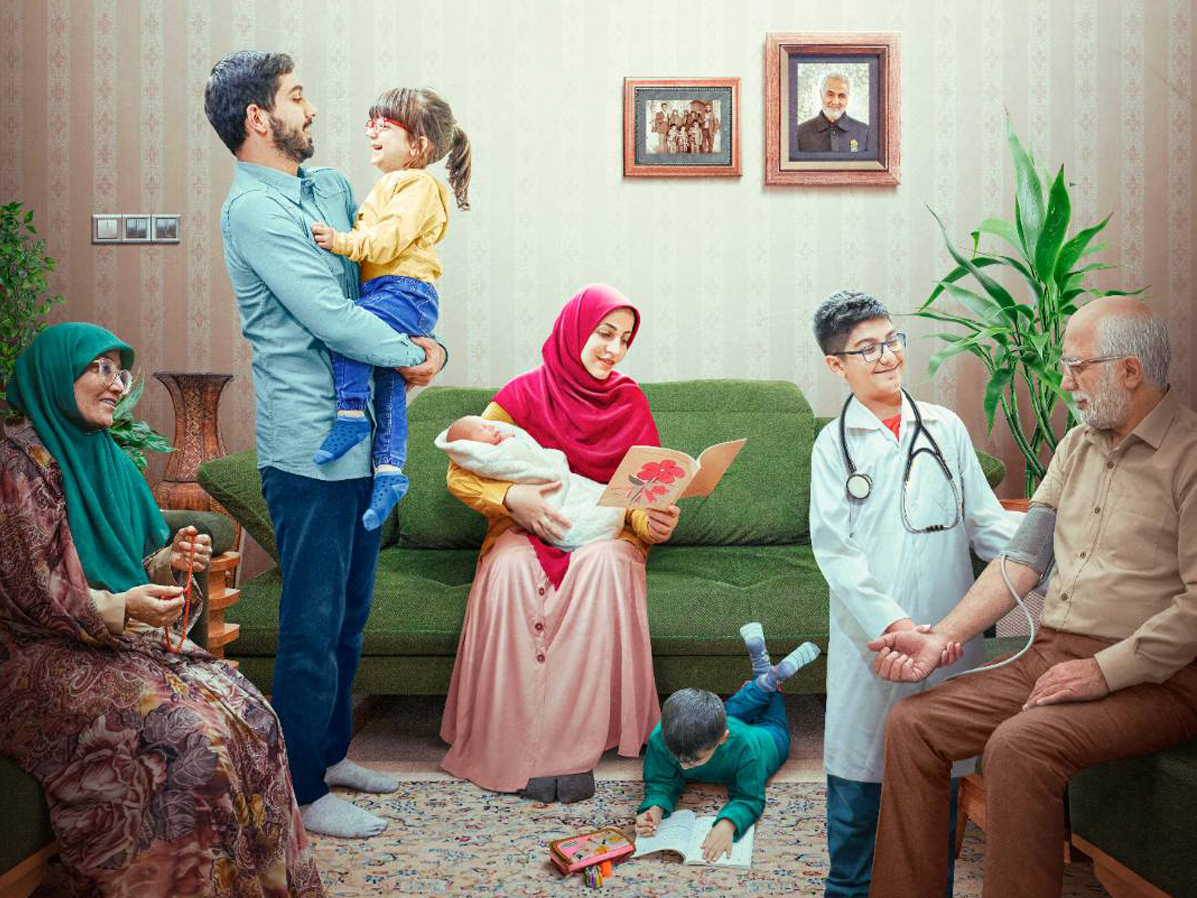
10 facts about marriage in Islam
ethics

10 facts about marriage in Islam

by mustafa askari
2025-05-26
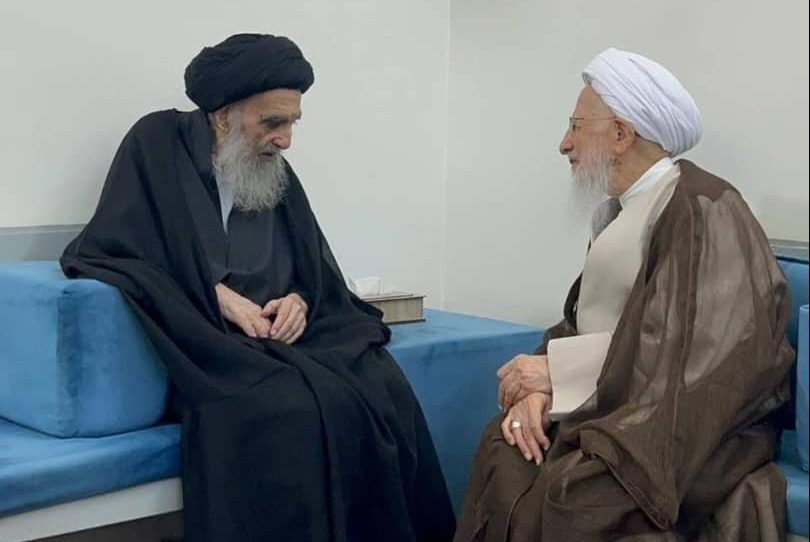
The Grand Ayatollah Sistani & the Grand Ayatollah Javadi Amoli Met in Najaf Ashraf
ethics

The Grand Ayatollah Sistani & the Grand Ayatollah Javadi Amoli Met in Najaf Ashraf

by mustafa askari
2025-05-19
Imam Ali (AS) Did Not Compromise on Unethical Politics
ethics

Imam Ali (AS) Did Not Compromise on Unethical Politics

by mustafa askari
2025-05-11
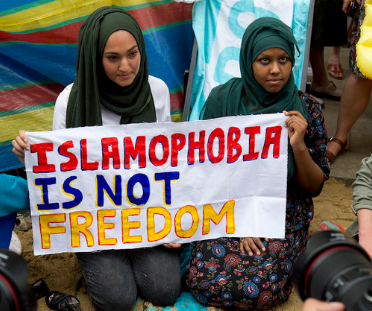
UK: Reform councillors face allegations of sharing social media Islamophobic content
ethics

UK: Reform councillors face allegations of sharing social media Islamophobic content

by mustafa askari
2025-05-11
How to be just with your children?
ethics

How to be just with your children?

by mustafa askari
2025-05-10
Next Post

The Angel of Death Visits Every House Five Times a Day

Leave a Reply Cancel reply

Your email address will not be published. Required fields are marked *

Latest Post

10 facts about marriage in Islam

10 facts about marriage in Islam

2025-05-26
A Clear Message in Response to the Arrogance of Donald Trump

A Clear Message in Response to the Arrogance of Donald Trump

2025-05-24
The Grand Ayatollah Sistani & the Grand Ayatollah Javadi Amoli Met in Najaf Ashraf

The Grand Ayatollah Sistani & the Grand Ayatollah Javadi Amoli Met in Najaf Ashraf

2025-05-19
Imam Ali (AS) Did Not Compromise on Unethical Politics

Imam Ali (AS) Did Not Compromise on Unethical Politics

2025-05-11
UK: Reform councillors face allegations of sharing social media Islamophobic content

UK: Reform councillors face allegations of sharing social media Islamophobic content

2025-05-11
How to be just with your children?

How to be just with your children?

2025-05-10
Load More

Browse by Tags

Ahl al-Bayt (A.S.) Ahlul Bayt Al-Mahdi (AS) Allah Ashura Ayatollah Sobhani Ethics faith Fatima fiqh ghadir God History Holy Prophet Imam 'Ali Imam Ali (A.S.) Imam Husain Imams infallibles Islam Islamic Laws Islamic rules Jurisprudence Karbala Martyrdom morality Muhammad Nahj al Balaghah prayer prophet Quran Ramadan Reborn Salat Sayed Moustafa Qazwini shaistudies shia Shia Beliefs Shia Imams Shia Islam Shia Studie's World Assembly shiastudies Sin the differences between Shi’a and Sunni the story of those who converted to Shia Islam

The World Assembly of Shiite Studies was established in 2003 (1382 AH) by a group of scholars from seminaries and universities. The purpose of founding this independent academic institution was to introduce the school of Shi‘ism and defend its legitimacy through education, research, translation and publication, communications, and Islamic promotion. This center has continued its mission with strength and determination and envisions a bright future ahead.

Address: Qom, 45-Meter Ammar Yaser Boulevard, between Alley 4 and 6, World Assembly of Shiite Studies, Secretariat of Religious Scholars

Phone: +982537713773

Fax: +982537713774

All rights of the website are reserved and belong to the World Assembly of Shiite Studies.

Are you sure want to unlock this post?
Unlock left : 0
Are you sure want to cancel subscription?