• Home
  • Bank of Subjects of Articles
    • Bibliography
    • Characters
    • Culture and art
    • Economics
    • Educational sciences
    • ethics
    • Geography of Islamic world
    • History
    • Islamic jurisprudence and principles
    • Kalam (Islamic scholastic theology)
    • Mahdism
    • Philosophy and logic
    • Political science
    • pray and pilgrimage
    • Prophet and Ahl-al bayt
  • Islamic Teachings
  • quran
  • The Infallibles
  • Shia Beliefs
  • Morality
  • Events
    • Media Reflection
    • Muharram
    • News of Shia World
    • News of Worldly Assembly for Shia Studies
  • Home
  • Bank of Subjects of Articles
    • Bibliography
    • Characters
    • Culture and art
    • Economics
    • Educational sciences
    • ethics
    • Geography of Islamic world
    • History
    • Islamic jurisprudence and principles
    • Kalam (Islamic scholastic theology)
    • Mahdism
    • Philosophy and logic
    • Political science
    • pray and pilgrimage
    • Prophet and Ahl-al bayt
  • Islamic Teachings
  • quran
  • The Infallibles
  • Shia Beliefs
  • Morality
  • Events
    • Media Reflection
    • Muharram
    • News of Shia World
    • News of Worldly Assembly for Shia Studies
Home The Infallibles

Why Did Imam Hussain (AS) Not Accept The Help Of Jinns And Angels?

by mustafa askari
2022-08-17
in The Infallibles
0
Sweden Islamic Center to Host Mourning Ceremonies in Muharram
0
SHARES
48
VIEWS
Share on FacebookShare on Twitter

For the following reasons, Imam Hussain (a.s.) did not accept this help and even encouraged many of his companions to go:

  1. Due to the political situation that was faced by Muawiya and Yazid at that time and in the name of religion, they did things that were actually against the principle of religion and also it became difficult to distinguish right from wrong, the only way that could be done once To promote and revive God’s religion was the martyrdom of Imam Hussain (a.s.) and his children and companions.
    2. What can be obtained and mentioned from the narrations in this case is that martyrdom was destined for him so that the main goal of Imam Hussain (a.s.), which was the reformation of the Prophet’s nation, would be realized.
    3. Imam Hussain (a.s.) considered martyrdom to be the most beautiful and cherished death; This is stated in the sermon they delivered in Mecca when they decided to move towards Iraq: “Death’s decoration on the son of Adam is like the decoration of necklaces on the necks of maidens.” That is, death is not an imposition, but a necklace and luxury; Because a free man hangs this necklace and an honorable ornament on his neck in the way of God, and death in the way of religion was delicious for Imam Hussain (AS) and nectar in his palate.
    And martyrdom is not a defect to ask angels for help, but it is perfection, just as Prophet Abraham (pbuh) considered martyrdom to be perfection, he was not afraid of being burned in the fire and did not ask for anything from Gabriel, even though he was constantly remembering God and mentioning God. was saying .
    4. The meeting with God and the meeting of the prophets was more important for Imam Hussein (AS) than staying in that world, and he considered himself eager to meet his ancestors. As he said in the continuation of that sermon in Makkah: “My desire and desire to visit my ancestors is like Jacob’s desire for Yusuf.”
    5. Hazrat Imam Hussain (a.s.) wanted not to use miracles and dignity, while there is no doubt that the Imam had the power and strength to overcome the enemies with the miracles and power that he had from God, and he did not even need the help of angels and He did not have jinns, but the use of miracles and honor was contrary to the imams who were tasked to act on the appearance of natural things. The value and position of Imam Hussain (AS), who has a high position both among Muslims and among those who want justice and freedom, is due to the fact that he acted on the basis of normal, outward and natural affairs. Taking the Ahl al-Bayt (a.s.) by the Imam to an unequal war and capturing them and insulting their sacred space and their patience and courage and their historical words in Kufa and Sham caused the uprising of the Imam to be lasting and eternal and set an example for all the freedom seekers and religious people of the world. Even the followers of Debgar religions.
    So now that it happened like this and Imam is the historical victor of that event in Karbala, why are we crying over him?
    In response, it should be said:
    1- Keeping the Ashura movement alive means keeping alive and constantly promoting the goals of the Imam and the school of uprising and revolution against the tyrants and fosters the spirit of epicness and sacrifice. Crying over the sufferings of the martyrs keeps Hosseini’s movement alive. As the capture of the Imam’s family caused the blood of the martyrs of Karbala not to be trampled.
    As a result of conveying the Imam’s message to the people of Kufa and Sham by Imam Sajjad (a.s.) and Hazrat Zainab (p.a.), the Ashura movement came to fruition.
    2- Crying in mourning for the martyrs of Karbala is a renewal of allegiance to Ashura and the culture of martyrdom and intellectual and spiritual nourishment with this school.
    Shedding tears is a kind of pledge of allegiance and signing a friendship agreement with Seyyed al-Shaheda (AS) and expressing disgust and hatred for the killers of the Prophet.
    Therefore, our imams have emphasized crying over the oppression of the martyrs of Karbala and have mentioned many rewards and virtues for crying over the sufferings of Imam Hussain (a.s.) It is a sign of heart connection with Ahl al-Bayt (AS) and Seyyed al-Shahada (AS).
    3- Tears water the heart, quench the thirst of the soul, and it is the result of love towards the family.
    Crying is a sign of empathy and spiritual harmony with Imams Athar (AS). The heart of Mehr Hossein (a.s.) no doubt cries at the memory of his oppression and martyrdom.
    4- The many virtues and rewards that are mentioned in the narrations for crying over Imam Hussain (a.s.) are in the case that human sin, depravity, and pollution are not to the extent that they prevent the divine grace from reaching them.
    5- A tear that shows the emotional bond, school relationship, and spiritual connection with the way, thought, and handwriting of Sayyid al-Shahda will definitely become the basis for avoiding sin.

Ayat Peyman 1401
Tags: Ahl al-Bayt (A.S.)AllahAshuraImam 'AliIslamShia Studie's World Assembly
Previous Post

Investigating the effects of Imam Hussain’s (AS) sacrifice

Next Post

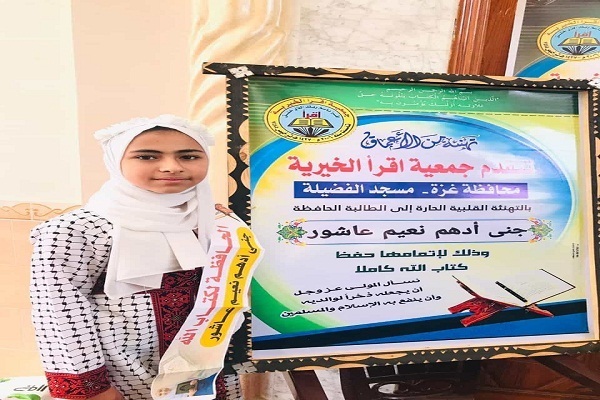
Palestinian Girl Learns Quran by Heart in One Month

mustafa askari

Related Posts

Imam Ali (AS) Did Not Compromise on Unethical Politics
ethics

Imam Ali (AS) Did Not Compromise on Unethical Politics

by mustafa askari
2025-05-11
“Imam Ridha (AS) Restored Human Dignity / Imam Ridha (AS) Revived Name of Imam Hussain (AS) and Event of Karbala”
ethics

“Imam Ridha (AS) Restored Human Dignity / Imam Ridha (AS) Revived Name of Imam Hussain (AS) and Event of Karbala”

by mustafa askari
2025-05-10
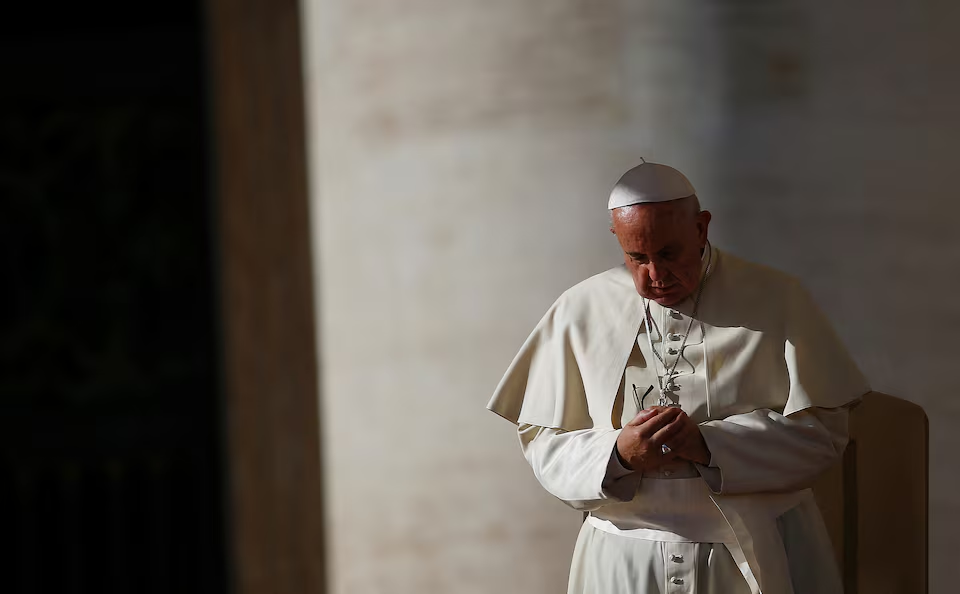
Pope Francis symbol of interreligious friendship
The Infallibles

Pope Francis symbol of interreligious friendship

by mustafa askari
2025-04-24
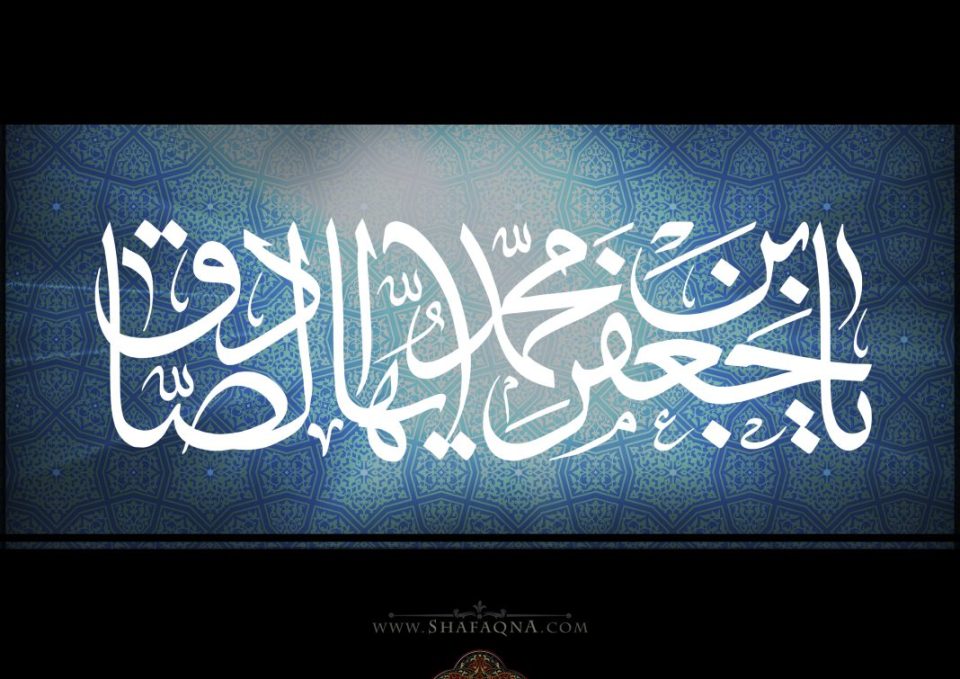
Scholarly Life of Imam Sadiq (AS)
The Infallibles

Scholarly Life of Imam Sadiq (AS)

by mustafa askari
2025-04-24
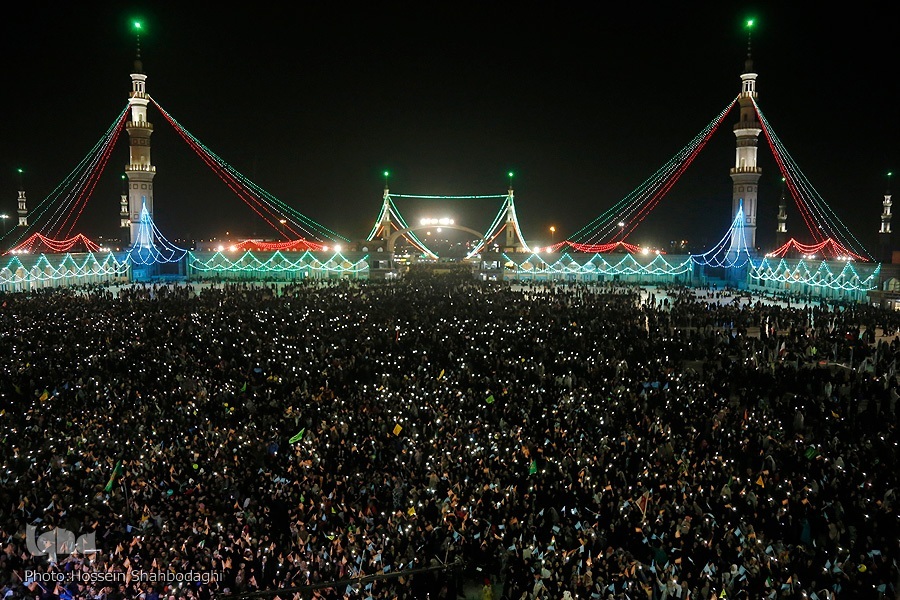
Over 4 Million Pilgrims Visited Qom during Mid-Shaaban Eid, Official Says
The Infallibles

Over 4 Million Pilgrims Visited Qom during Mid-Shaaban Eid, Official Says

by mustafa askari
2025-02-17
Next Post
Palestinian Girl Learns Quran by Heart in One Month

Palestinian Girl Learns Quran by Heart in One Month

Leave a Reply Cancel reply

Your email address will not be published. Required fields are marked *

Latest Post

10 facts about marriage in Islam

10 facts about marriage in Islam

2025-05-26
A Clear Message in Response to the Arrogance of Donald Trump

A Clear Message in Response to the Arrogance of Donald Trump

2025-05-24
The Grand Ayatollah Sistani & the Grand Ayatollah Javadi Amoli Met in Najaf Ashraf

The Grand Ayatollah Sistani & the Grand Ayatollah Javadi Amoli Met in Najaf Ashraf

2025-05-19
Imam Ali (AS) Did Not Compromise on Unethical Politics

Imam Ali (AS) Did Not Compromise on Unethical Politics

2025-05-11
UK: Reform councillors face allegations of sharing social media Islamophobic content

UK: Reform councillors face allegations of sharing social media Islamophobic content

2025-05-11
How to be just with your children?

How to be just with your children?

2025-05-10
Load More

Browse by Tags

Ahl al-Bayt (A.S.) Ahlul Bayt Al-Mahdi (AS) Allah Ashura Ayatollah Sobhani Ethics faith Fatima fiqh ghadir God History Holy Prophet Imam 'Ali Imam Ali (A.S.) Imam Husain Imams infallibles Islam Islamic Laws Islamic rules Jurisprudence Karbala Martyrdom morality Muhammad Nahj al Balaghah prayer prophet Quran Ramadan Reborn Salat Sayed Moustafa Qazwini shaistudies shia Shia Beliefs Shia Imams Shia Islam Shia Studie's World Assembly shiastudies Sin the differences between Shi’a and Sunni the story of those who converted to Shia Islam

The World Assembly of Shiite Studies was established in 2003 (1382 AH) by a group of scholars from seminaries and universities. The purpose of founding this independent academic institution was to introduce the school of Shi‘ism and defend its legitimacy through education, research, translation and publication, communications, and Islamic promotion. This center has continued its mission with strength and determination and envisions a bright future ahead.

Address: Qom, 45-Meter Ammar Yaser Boulevard, between Alley 4 and 6, World Assembly of Shiite Studies, Secretariat of Religious Scholars

Phone: +982537713773

Fax: +982537713774

All rights of the website are reserved and belong to the World Assembly of Shiite Studies.

Are you sure want to unlock this post?
Unlock left : 0
Are you sure want to cancel subscription?