• Home
  • Bank of Subjects of Articles
    • Bibliography
    • Characters
    • Culture and art
    • Economics
    • Educational sciences
    • ethics
    • Geography of Islamic world
    • History
    • Islamic jurisprudence and principles
    • Kalam (Islamic scholastic theology)
    • Mahdism
    • Philosophy and logic
    • Political science
    • pray and pilgrimage
    • Prophet and Ahl-al bayt
  • Islamic Teachings
  • quran
  • The Infallibles
  • Shia Beliefs
  • Morality
  • Events
    • Media Reflection
    • Muharram
    • News of Shia World
    • News of Worldly Assembly for Shia Studies
  • Home
  • Bank of Subjects of Articles
    • Bibliography
    • Characters
    • Culture and art
    • Economics
    • Educational sciences
    • ethics
    • Geography of Islamic world
    • History
    • Islamic jurisprudence and principles
    • Kalam (Islamic scholastic theology)
    • Mahdism
    • Philosophy and logic
    • Political science
    • pray and pilgrimage
    • Prophet and Ahl-al bayt
  • Islamic Teachings
  • quran
  • The Infallibles
  • Shia Beliefs
  • Morality
  • Events
    • Media Reflection
    • Muharram
    • News of Shia World
    • News of Worldly Assembly for Shia Studies
Home Bank of Subjects of Articles ethics

“Imam Ridha (AS) Restored Human Dignity / Imam Ridha (AS) Revived Name of Imam Hussain (AS) and Event of Karbala”

by mustafa askari
2025-05-10
in ethics, The Infallibles
0
“Imam Ridha (AS) Restored Human Dignity / Imam Ridha (AS) Revived Name of Imam Hussain (AS) and Event of Karbala”
0
SHARES
13
VIEWS
Share on FacebookShare on Twitter

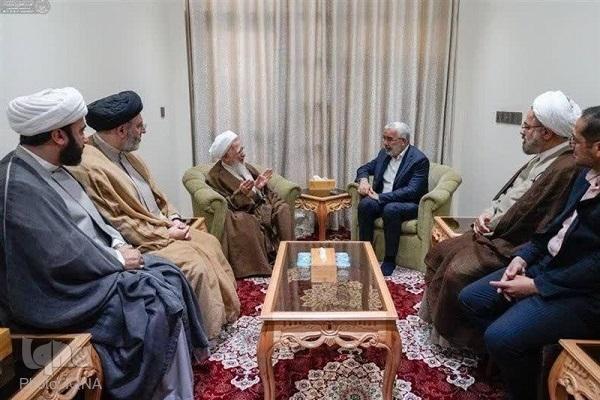
A member of the Society of Seminary Teachers of Qom said: “If today the Islamic countries had adopted the thoughts of Imam Ridha (AS) as their policy and strategic approach, we Muslims would never have found ourselves in this situation, and the blood of Muslims in Gaza would not have been spilled in this manner.”

Ayatollah Najm al-Din Tabasi, in an interview with Shafaqna, congratulated the birth of Imam Ridha (AS) and Hazrat Masoumah (SA) and stated: “All scholars, especially Sunni scholars, acknowledge that Imam Ridha (AS) is a scholar from the family of Muhammad (PBUH). He lived in an era when the policy of the Abbasid government focused on spreading various schools, sects, and religious and political movements to occupy the scholars and keep them busy so that the government could achieve its own objectives. This harmed the faith and piety of the people. The government sought to distract people with different sects, but the outcome either went unnoticed by them or was of no concern. When Imam Ridha (AS) arrived in Merv, one of the things he did was to set the different religious movements, sects, and ideologies in their places through debates and scholarly discussions, showing them that their offerings were unworthy.”

Imam Ridha (AS) Restored Human Dignity

He continued: “Imam Ridha (AS) in his debates emphasized that what is truly valuable is the teachings, guidance, and wisdom of the Prophet Muhammad (PBUH) and Ali ibn Abi Talib (AS). He essentially restored human dignity and made people realize that the worth and honor of human beings are far greater than being manipulated by political movements and governments. Through his debates, Imam (AS) made people aware of this reality, and various groups were astonished by his approach. They began to differentiate between the governance of Amir al-Mu’minin (AS) and the Abbasid caliphate, leading the Abbasid government to panic and prevent Imam Ridha (AS) from leading the Eid prayer.”

He emphasized the significance of the uprising of Sayyid al-Shuhada (AS) and the revival of the event of Karbala as the second crucial action of Imam Ridha (AS) in Merv, saying: “The eighth Imam focused on the issue of the oppression of Imam Hussain (AS) and the injustice inflicted upon the Ahl al-Bayt (AS), especially since the Abbasid government sought to cover up the incident and even attempted to destroy the graves of the martyrs of Karbala by farming over them and blocking water.”

Imam Ridha (AS) Revived the Name of Sayyid al-Shuhada (AS)

He pointed out: “Imam Ridha (AS) revived the name of Imam Hussain (AS) and declared his support for humanity, showing that Imam Hussain (AS) epitomized the defense of humanity and the fight against tyranny and oppression.”

A member of the Society of Seminary Teachers of Qom remarked: “Imam (AS) encouraged poets and rewarded them for their poetry defending the cause of Karbala. The verses, such as those written by Dabbal Khaza’i, resonated throughout society.”

He continued: “Another action of Imam Ridha (AS) in preserving the memory of Karbala was the organization of mourning gatherings. In these gatherings, a curtain would be hung in the house, and women would sit behind it while crying out ‘O’ Muhammad!’ Imam (AS) himself would also cry.”

He emphasized: “Through these actions, Imam Ridha (AS) stood firm in support of the cause of Imam Hussain (AS) and exposed the oppressors and tyrants.”

He explained: “Imam Ridha’s (AS) arrival in Iran was due to the coercion of Ma’mun and the Abbasid government. Ma’mun had several goals: First, to prevent the Alawi uprising because the Abbasid government, and Ma’mun in particular, was weakening due to conflicts with his brother. Second, the country faced many problems, and the people attributed all these issues to the Abbasids, so Ma’mun wanted to assign responsibility to Imam Ridha (AS) in order to distance himself from the situation and shift the blame onto the Imam (AS). Imam Ridha (AS) was fully aware of Ma’mun’s political strategies. He only accepted the position of heir apparent when he was threatened with death, but on the condition that he would not interfere in any appointments or dismissals.”

“Gaza” is the Result of Not Adopting Imam Ridha’s (AS) Policy

He concluded: “If today the Islamic countries had made Imam Ridha’s (AS) policy their guiding principle and strategic approach, we Muslims would never have found ourselves in this situation, and the blood of Muslims in Gaza would not have been spilled in this way. We failed to adopt the policy of Imam Ridha (AS), and now we are witnessing the consequences.”

source: shafaqna

Tags: Ahl al-Bayt (A.S.)AllahEthicsHoly ProphetImam 'AliIslam
Previous Post

Pope Francis symbol of interreligious friendship

Next Post

Senior Scholar: Quran and Ahl al-Bayt Are Pillars of Muslim Solidarity

mustafa askari

Related Posts

10 facts about marriage in Islam
ethics

10 facts about marriage in Islam

by mustafa askari
2025-05-26
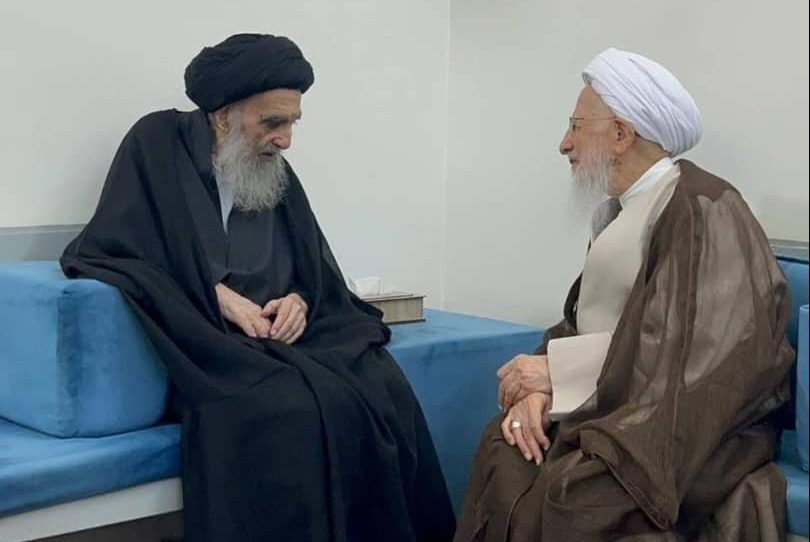
The Grand Ayatollah Sistani & the Grand Ayatollah Javadi Amoli Met in Najaf Ashraf
ethics

The Grand Ayatollah Sistani & the Grand Ayatollah Javadi Amoli Met in Najaf Ashraf

by mustafa askari
2025-05-19
Imam Ali (AS) Did Not Compromise on Unethical Politics
ethics

Imam Ali (AS) Did Not Compromise on Unethical Politics

by mustafa askari
2025-05-11
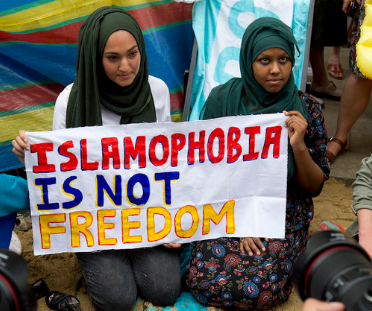
UK: Reform councillors face allegations of sharing social media Islamophobic content
ethics

UK: Reform councillors face allegations of sharing social media Islamophobic content

by mustafa askari
2025-05-11
How to be just with your children?
ethics

How to be just with your children?

by mustafa askari
2025-05-10
Next Post
Senior Scholar: Quran and Ahl al-Bayt Are Pillars of Muslim Solidarity

Senior Scholar: Quran and Ahl al-Bayt Are Pillars of Muslim Solidarity

Leave a Reply Cancel reply

Your email address will not be published. Required fields are marked *

Latest Post

10 facts about marriage in Islam

10 facts about marriage in Islam

2025-05-26
A Clear Message in Response to the Arrogance of Donald Trump

A Clear Message in Response to the Arrogance of Donald Trump

2025-05-24
The Grand Ayatollah Sistani & the Grand Ayatollah Javadi Amoli Met in Najaf Ashraf

The Grand Ayatollah Sistani & the Grand Ayatollah Javadi Amoli Met in Najaf Ashraf

2025-05-19
Imam Ali (AS) Did Not Compromise on Unethical Politics

Imam Ali (AS) Did Not Compromise on Unethical Politics

2025-05-11
UK: Reform councillors face allegations of sharing social media Islamophobic content

UK: Reform councillors face allegations of sharing social media Islamophobic content

2025-05-11
How to be just with your children?

How to be just with your children?

2025-05-10
Load More

Browse by Tags

Ahl al-Bayt (A.S.) Ahlul Bayt Al-Mahdi (AS) Allah Ashura Ayatollah Sobhani Ethics faith Fatima fiqh ghadir God History Holy Prophet Imam 'Ali Imam Ali (A.S.) Imam Husain Imams infallibles Islam Islamic Laws Islamic rules Jurisprudence Karbala Martyrdom morality Muhammad Nahj al Balaghah prayer prophet Quran Ramadan Reborn Salat Sayed Moustafa Qazwini shaistudies shia Shia Beliefs Shia Imams Shia Islam Shia Studie's World Assembly shiastudies Sin the differences between Shi’a and Sunni the story of those who converted to Shia Islam

The World Assembly of Shiite Studies was established in 2003 (1382 AH) by a group of scholars from seminaries and universities. The purpose of founding this independent academic institution was to introduce the school of Shi‘ism and defend its legitimacy through education, research, translation and publication, communications, and Islamic promotion. This center has continued its mission with strength and determination and envisions a bright future ahead.

Address: Qom, 45-Meter Ammar Yaser Boulevard, between Alley 4 and 6, World Assembly of Shiite Studies, Secretariat of Religious Scholars

Phone: +982537713773

Fax: +982537713774

All rights of the website are reserved and belong to the World Assembly of Shiite Studies.

Are you sure want to unlock this post?
Unlock left : 0
Are you sure want to cancel subscription?