• Home
  • Bank of Subjects of Articles
    • Bibliography
    • Characters
    • Culture and art
    • Economics
    • Educational sciences
    • ethics
    • Geography of Islamic world
    • History
    • Islamic jurisprudence and principles
    • Kalam (Islamic scholastic theology)
    • Mahdism
    • Philosophy and logic
    • Political science
    • pray and pilgrimage
    • Prophet and Ahl-al bayt
  • Islamic Teachings
  • quran
  • The Infallibles
  • Shia Beliefs
  • Morality
  • Events
    • Media Reflection
    • Muharram
    • News of Shia World
    • News of Worldly Assembly for Shia Studies
  • Home
  • Bank of Subjects of Articles
    • Bibliography
    • Characters
    • Culture and art
    • Economics
    • Educational sciences
    • ethics
    • Geography of Islamic world
    • History
    • Islamic jurisprudence and principles
    • Kalam (Islamic scholastic theology)
    • Mahdism
    • Philosophy and logic
    • Political science
    • pray and pilgrimage
    • Prophet and Ahl-al bayt
  • Islamic Teachings
  • quran
  • The Infallibles
  • Shia Beliefs
  • Morality
  • Events
    • Media Reflection
    • Muharram
    • News of Shia World
    • News of Worldly Assembly for Shia Studies
Home Bank of Subjects of Articles ethics

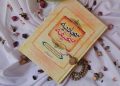
10 facts about marriage in Islam

by mustafa askari
2025-05-26
in ethics, Islamic Teachings, Morality
0
10 facts about marriage in Islam
0
SHARES
88
VIEWS
Share on FacebookShare on Twitter

The International Journal of Research Granthaalayah has published the paper “The importance of marriage in Islam” written by Dr. Meraj Ahmad Meraj in 2018.

According to Shafaqna, this paper aims to discuss marriage institution in Islamic framework and its roles and significance in the present global human society. Also, the paper tries to represent a solution to the problems of family issues considering Quran and Sunnah.

The important aspects of marriage in Islam are mentioned below:

  1. Marriage and the family are crucial in Islamic system. According to Islam, marriage is a commitment to life itself, to society and to the dignified, meaningful survival of human race. It is a commitment that married partners make to one another as well as to God. It is a kind of commitment in which they find mutual fulfillment and self-realization, love and peace, compassion and serenity, comfort and hope. All this is due to the fact that marriage in Islam is considered most importantly as a righteous act, an act of responsible devotion.
  2. Preserving human race is the main object of a Muslim marriage; thereby sanctioning sexual relations between two members of the opposite sexes with a view to preserve the human species, encourage chastity and promote love and union between the husband and wife and of mutual help in earning livelihood.
  3. Legally, Marriage in Islam is regarded as a contract; since the elements which constitute a marriage and the manner in which it is completed is nearly like that of a civil contract.
  4. Nikah is a social institution by which a definite and dignified status has been offered to the women.
  5. Protecting the society from foulness and unchastely is the main aim of the institution of marriage. It has also been stated that marriage is so holy a sacrament that in this world, it is an act of Ibadat or worship, because it preserves mankind free from pollution. The least central aspect of marriage in Islam is the economic factor.
  6. The consummation of marriage creates new roles for the partners. Each role is a set of equitable, proportionate rights and obligations. The role of the husband circles around moral principle that is his serious duty before God to treat his wife with kindness, respect and not to injure or annoy her in any manner. The role of wife is summarized in the verse that women have rights even as they have duties.
  7. Islam guaranteed certain rights and corresponding obligations to the wife. It is the husband’s duty to consort with his wife in a kind and equitable manner. One specific consequence of this Devine command is his responsibilities for the full maintenance of the wife, a duty which he must discharge cheerfully. Maintenance involves the wife’s indisputable right to lodging, clothing, nourishing, and well-being. The Muslim woman is entitled to maintenance from her husband. This includes provision of shelter, feeding, clothing, education and security; it is unimportant how wealthy she may be.
  8. A husband is commanded by God to treat his wife with equity and respect her feelings. She is not to be shown any aversion by the husband. A corollary of this rule is that no husband is allowed to keep his wife with intention of inflicting injury on her or hindering her freedom. If he has no sympathy and love, she has the right to demand freedom from conjugal bond and no one stands in her way to a new life.
  9. The Islamic provision of marriage applies equally to men and women. This is recognition of the facts that women needs are equally legitimate and are seriously considered. If any fund or assignment is entrusted to her, she must perform her duty wisely and frugally. Concerning intimacy, the wife has to be desirable, attractive, cooperative and responsive. The wife is not allowed to do anything that may render her companionship less desirable or less gratifying. If she does any such thing, the husband has the right to interfere with her freedom to improve the situation.
  10. The obligation of wife, as a life partner is to contribute to the success of marriage as much as is feasible. She must pay close attention to the comfort of her mate. She has no right to offend him or hurt his feelings. The wife must be faithful, trustworthy and honest in her words and deeds. The responsibilities of the wife contain showing respect for the husband who is the head of the household, religious and moral raising of children, creating a peaceful and conducive home environment, managing family resources, advising the husband, cooperating with him, protecting his interests and maintaining her chastity. Her responsibilities to society include enjoining good and preventing evil.

Source: shafaqna
Tags: Ahl al-Bayt (A.S.)AllahEthicsIslamshaistudies
Previous Post

A Clear Message in Response to the Arrogance of Donald Trump

mustafa askari

Related Posts

A Clear Message in Response to the Arrogance of Donald Trump
Islamic Teachings

A Clear Message in Response to the Arrogance of Donald Trump

by mustafa askari
2025-05-24
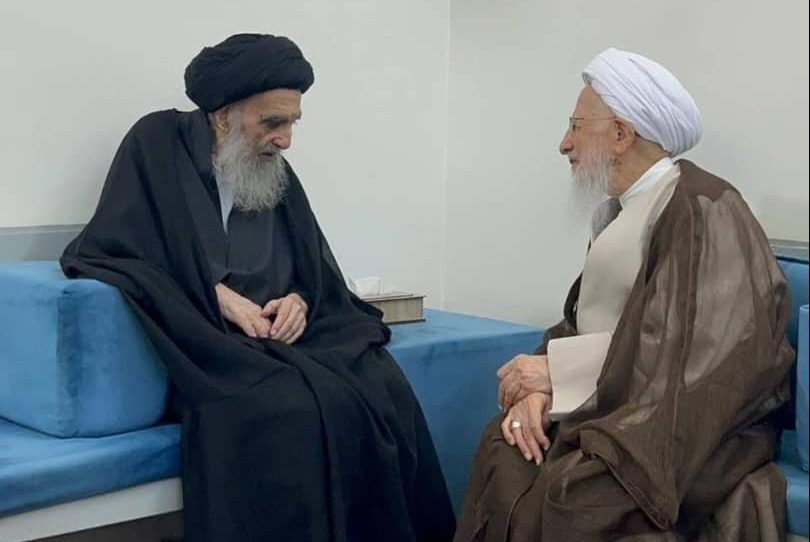
The Grand Ayatollah Sistani & the Grand Ayatollah Javadi Amoli Met in Najaf Ashraf
ethics

The Grand Ayatollah Sistani & the Grand Ayatollah Javadi Amoli Met in Najaf Ashraf

by mustafa askari
2025-05-19
Imam Ali (AS) Did Not Compromise on Unethical Politics
ethics

Imam Ali (AS) Did Not Compromise on Unethical Politics

by mustafa askari
2025-05-11
UK: Reform councillors face allegations of sharing social media Islamophobic content
ethics

UK: Reform councillors face allegations of sharing social media Islamophobic content

by mustafa askari
2025-05-11
How to be just with your children?
ethics

How to be just with your children?

by mustafa askari
2025-05-10

Leave a Reply Cancel reply

Your email address will not be published. Required fields are marked *

Latest Post

10 facts about marriage in Islam

10 facts about marriage in Islam

2025-05-26
A Clear Message in Response to the Arrogance of Donald Trump

A Clear Message in Response to the Arrogance of Donald Trump

2025-05-24
The Grand Ayatollah Sistani & the Grand Ayatollah Javadi Amoli Met in Najaf Ashraf

The Grand Ayatollah Sistani & the Grand Ayatollah Javadi Amoli Met in Najaf Ashraf

2025-05-19
Imam Ali (AS) Did Not Compromise on Unethical Politics

Imam Ali (AS) Did Not Compromise on Unethical Politics

2025-05-11
UK: Reform councillors face allegations of sharing social media Islamophobic content

UK: Reform councillors face allegations of sharing social media Islamophobic content

2025-05-11
How to be just with your children?

How to be just with your children?

2025-05-10
Load More

Browse by Tags

Ahl al-Bayt (A.S.) Ahlul Bayt Al-Mahdi (AS) Allah Ashura Ayatollah Sobhani Ethics faith Fatima fiqh ghadir God History Holy Prophet Imam 'Ali Imam Ali (A.S.) Imam Husain Imams infallibles Islam Islamic Laws Islamic rules Jurisprudence Karbala Martyrdom morality Muhammad Nahj al Balaghah prayer prophet Quran Ramadan Reborn Salat Sayed Moustafa Qazwini shaistudies shia Shia Beliefs Shia Imams Shia Islam Shia Studie's World Assembly shiastudies Sin the differences between Shi’a and Sunni the story of those who converted to Shia Islam

The World Assembly of Shiite Studies was established in 2003 (1382 AH) by a group of scholars from seminaries and universities. The purpose of founding this independent academic institution was to introduce the school of Shi‘ism and defend its legitimacy through education, research, translation and publication, communications, and Islamic promotion. This center has continued its mission with strength and determination and envisions a bright future ahead.

Address: Qom, 45-Meter Ammar Yaser Boulevard, between Alley 4 and 6, World Assembly of Shiite Studies, Secretariat of Religious Scholars

Phone: +982537713773

Fax: +982537713774

All rights of the website are reserved and belong to the World Assembly of Shiite Studies.

Are you sure want to unlock this post?
Unlock left : 0
Are you sure want to cancel subscription?