• Home
  • Bank of Subjects of Articles
    • Bibliography
    • Characters
    • Culture and art
    • Economics
    • Educational sciences
    • ethics
    • Geography of Islamic world
    • History
    • Islamic jurisprudence and principles
    • Kalam (Islamic scholastic theology)
    • Mahdism
    • Philosophy and logic
    • Political science
    • pray and pilgrimage
    • Prophet and Ahl-al bayt
  • Islamic Teachings
  • quran
  • The Infallibles
  • Shia Beliefs
  • Morality
  • Events
    • Media Reflection
    • Muharram
    • News of Shia World
    • News of Worldly Assembly for Shia Studies
  • Home
  • Bank of Subjects of Articles
    • Bibliography
    • Characters
    • Culture and art
    • Economics
    • Educational sciences
    • ethics
    • Geography of Islamic world
    • History
    • Islamic jurisprudence and principles
    • Kalam (Islamic scholastic theology)
    • Mahdism
    • Philosophy and logic
    • Political science
    • pray and pilgrimage
    • Prophet and Ahl-al bayt
  • Islamic Teachings
  • quran
  • The Infallibles
  • Shia Beliefs
  • Morality
  • Events
    • Media Reflection
    • Muharram
    • News of Shia World
    • News of Worldly Assembly for Shia Studies
Home Article Database

# How Does Remembering Death Affect Our Lives?

by mehdi mollayi
2026-10-01
in Article Database, Bank of Subjects of Articles, Bibliography, Characters, Culture and art
0
# How Does Remembering Death Affect Our Lives?
0
SHARES
1
VIEWS
Share on FacebookShare on Twitter

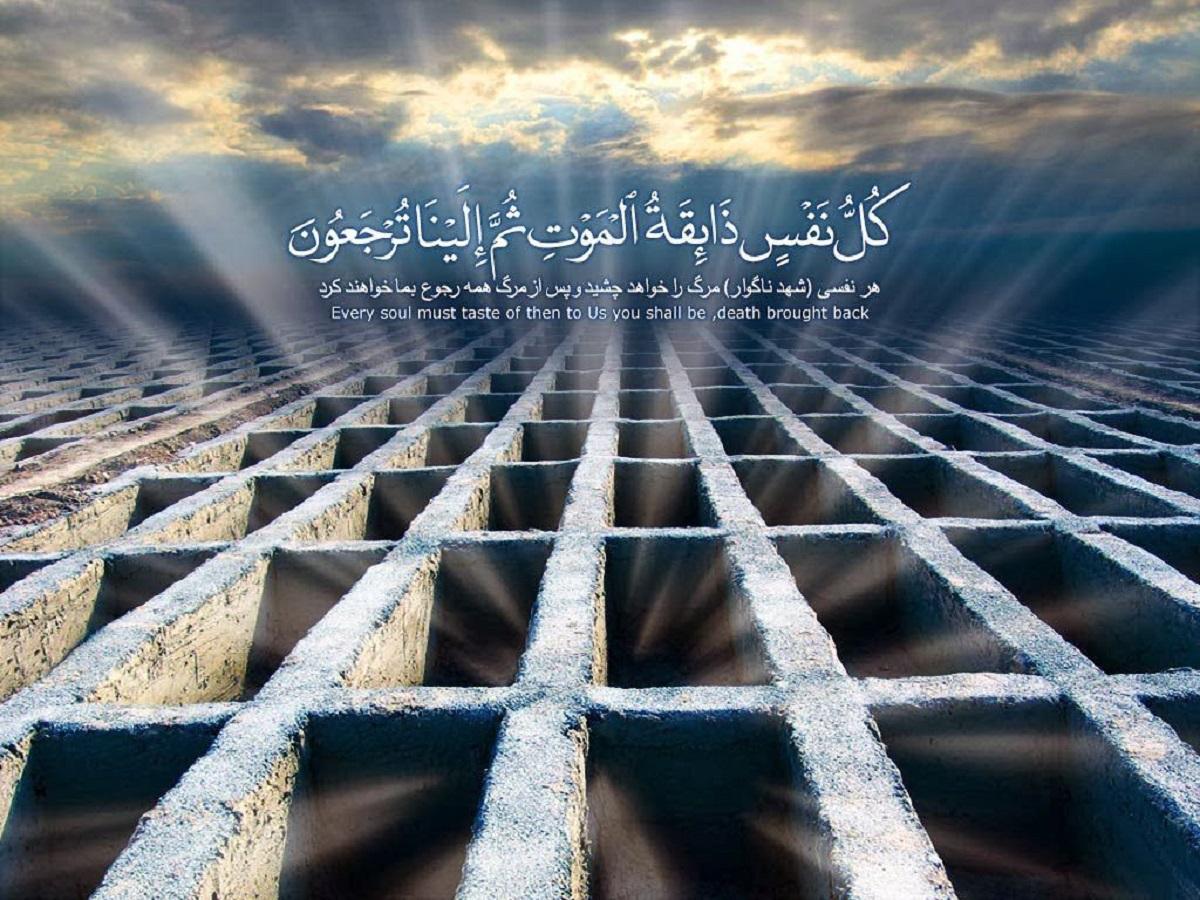
The Holy Qur’an describes the remembrance of death in the following verse:

“The mutual rivalry for worldly increase diverts you, until you visit the graves. No! You will soon know.” (1)

The verse reminds us that an excessive preoccupation with wealth, possessions, family, and children can cause people to become heedless of God, death, the first night in the grave, the Day of Resurrection, and the gathering of people on the Day of Judgment. A person may only awaken from this heedlessness when they are placed in the grave. The Noble Messenger of Islam (peace be upon him) said:

“People are asleep; when they die, they awaken.” (2)

Imam Ali ibn al-Husayn Zayn al-Abidin (peace be upon him), in the supplication of Abu Hamzah al-Thumali, says:

“O Allah, I ask You for a faith that remains firmly established in my heart and for true certainty…” (3)

In other words:

“O Lord, I ask You to grant me a faith that remains firmly established in my heart and complete certainty, so that I may know that nothing will reach me except what You have decreed. Make me content with whatever You have apportioned for me in this life, O Most Merciful of those who show mercy.”

Imam Zayn al-Abidin (peace be upon him) asks God for a faith that is rooted in the heart and accompanied by certainty, rather than merely intellectual knowledge. This is because heartfelt belief inspires action and has a practical effect on a person’s life. Merely possessing knowledge about the Hereafter is not enough.

If a person remains vigilant and constantly remembers death, the grave, and the world of Barzakh, they are less likely to surrender control of their life to their worldly desires. Consequently, they will not deprive themselves of God’s blessings on the Day of Resurrection.

In Islam, education and moral upbringing hold great importance, and believers are strongly encouraged to pay attention to them. The Qur’an states in Surah al-Tahrim:

“O you who have believed, protect yourselves and your families from a Fire…” (4)

The verse emphasizes the responsibility of believers to protect themselves and their families from the Fire of Hell through obedience to God and proper spiritual and moral upbringing.

The remembrance of death should have a constructive influence on the lives of Muslims from adolescence and youth throughout every stage of life. This awareness begins with family upbringing and the guidance and reminders provided by parents.

The Holy Qur’an states:

“Say: Indeed, the losers are those who have lost themselves and their families on the Day of Resurrection…” (5)

This refers to people who, in this world, failed to take proper care of themselves and their families, neglected their moral and spiritual development, or were themselves raised without proper guidance.

In response to the question raised here, it should be said that the subject of the Hereafter is both important and fascinating, and understanding it is an essential matter for every Muslim. However, subjects such as the Day of Resurrection and the Hereafter should not be pursued solely through the complexities of philosophical terminology. Rather, we should turn to the Qur’an and the traditions of the Prophet and the Ahl al-Bayt, which are pure sources of spiritual guidance.

The Qur’an contains approximately 1,500 verses related to the Day of Resurrection and the life after death. This is a profound and complex subject, and a proper understanding of it requires consulting relevant books and Qur’anic commentaries.

Many books have been written on this subject. Studying them can be beneficial and can provide greater guidance and awareness regarding the Hereafter. Among them are:

  1. The Hereafter in the Qur’an — Ayatollah Mojtaba Mozaheri
  2. The Hereafter (Ma’ad) — Mohsen Qara’ati
  3. Eternal Life or the Life Hereafter — Shahid Morteza Motahhari
  4. Life After Death — Allamah Muhammad Husayn Tabataba’i
  5. The Hereafter from the Perspective of the Body and the Soul, Volumes 1–2 — Mohammad-Taqi Falsafi
  6. Ma’ad-Shenasi (Knowledge of the Hereafter) — 10 volumes

Previous Post

**Hawzah News Agency Interviews Hojjat al-Islam Dr. Mehdi Karimi, Deputy for Education at the World Assembly of Shiite Studies**

Next Post

I Want to Support the Shia School of Thought

mehdi mollayi

Related Posts

I Want to Support the Shia School of Thought
Article Database

I Want to Support the Shia School of Thought

by mehdi mollayi
2026-10-01
**Hawzah News Agency Interviews Hojjat al-Islam Dr. Mehdi Karimi, Deputy for Education at the World Assembly of Shiite Studies**
Article Database

**Hawzah News Agency Interviews Hojjat al-Islam Dr. Mehdi Karimi, Deputy for Education at the World Assembly of Shiite Studies**

by mehdi mollayi
2026-09-29
Message from the World Assembly of Shi’a Studies on the Passing of the Eminent Religious Scholar, Grand Ayatollah Sayyid Musa Shubayri Zanjani (May God Have Mercy on Him)
Article Database

Message from the World Assembly of Shi’a Studies on the Passing of the Eminent Religious Scholar, Grand Ayatollah Sayyid Musa Shubayri Zanjani (May God Have Mercy on Him)

by mehdi mollayi
2026-09-23
# Leader of the Islamic Revolution Issues Condolence Message Following the Passing of Ayatollah Shobeyri Zanjani; Message Released
Kalam (Islamic scholastic theology)

# Leader of the Islamic Revolution Issues Condolence Message Following the Passing of Ayatollah Shobeyri Zanjani; Message Released

by mehdi mollayi
2026-09-23
An Examination of the Sixteen Distinctive Virtues of Lady Fatima al-Ma’suma (Peace Be Upon Her)
Bank of Subjects of Articles

An Examination of the Sixteen Distinctive Virtues of Lady Fatima al-Ma’suma (Peace Be Upon Her)

by mehdi mollayi
2026-09-22
Next Post
I Want to Support the Shia School of Thought

I Want to Support the Shia School of Thought

Leave a Reply Cancel reply

Your email address will not be published. Required fields are marked *

Latest Post

I Want to Support the Shia School of Thought

I Want to Support the Shia School of Thought

2026-10-01
# How Does Remembering Death Affect Our Lives?

# How Does Remembering Death Affect Our Lives?

2026-10-01
**Hawzah News Agency Interviews Hojjat al-Islam Dr. Mehdi Karimi, Deputy for Education at the World Assembly of Shiite Studies**

**Hawzah News Agency Interviews Hojjat al-Islam Dr. Mehdi Karimi, Deputy for Education at the World Assembly of Shiite Studies**

2026-09-29
Message from the World Assembly of Shi’a Studies on the Passing of the Eminent Religious Scholar, Grand Ayatollah Sayyid Musa Shubayri Zanjani (May God Have Mercy on Him)

Message from the World Assembly of Shi’a Studies on the Passing of the Eminent Religious Scholar, Grand Ayatollah Sayyid Musa Shubayri Zanjani (May God Have Mercy on Him)

2026-09-23
# Leader of the Islamic Revolution Issues Condolence Message Following the Passing of Ayatollah Shobeyri Zanjani; Message Released

# Leader of the Islamic Revolution Issues Condolence Message Following the Passing of Ayatollah Shobeyri Zanjani; Message Released

2026-09-23
An Examination of the Sixteen Distinctive Virtues of Lady Fatima al-Ma’suma (Peace Be Upon Her)

An Examination of the Sixteen Distinctive Virtues of Lady Fatima al-Ma’suma (Peace Be Upon Her)

2026-09-22
Load More

Browse by Tags

Ahl al-Bayt (A.S.) Ahlul Bayt Al-Mahdi (AS) Allah Ashura Ayatollah Sobhani Ethics faith Fatima fiqh ghadir God History Holy Prophet Imam 'Ali Imam Ali (A.S.) Imam Husain Imams infallibles Islam Islamic Laws Islamic rules Jurisprudence Karbala Martyrdom morality Muhammad Nahj al Balaghah prayer prophet Quran Ramadan Reborn Salat Sayed Moustafa Qazwini shaistudies shia Shia Beliefs Shia Imams Shia Islam Shia Studie's World Assembly shiastudies Sin the differences between Shi’a and Sunni the story of those who converted to Shia Islam

The World Assembly of Shiite Studies was established in 2003 (1382 AH) by a group of scholars from seminaries and universities. The purpose of founding this independent academic institution was to introduce the school of Shi‘ism and defend its legitimacy through education, research, translation and publication, communications, and Islamic promotion. This center has continued its mission with strength and determination and envisions a bright future ahead.

Address: Qom, 45-Meter Ammar Yaser Boulevard, between Alley 4 and 6, World Assembly of Shiite Studies, Secretariat of Religious Scholars

Phone: +982537713773

Fax: +982537713774

All rights of the website are reserved and belong to the World Assembly of Shiite Studies.