• Home
  • Bank of Subjects of Articles
    • Bibliography
    • Characters
    • Culture and art
    • Economics
    • Educational sciences
    • ethics
    • Geography of Islamic world
    • History
    • Islamic jurisprudence and principles
    • Kalam (Islamic scholastic theology)
    • Mahdism
    • Philosophy and logic
    • Political science
    • pray and pilgrimage
    • Prophet and Ahl-al bayt
  • Islamic Teachings
  • quran
  • The Infallibles
  • Shia Beliefs
  • Morality
  • Events
    • Media Reflection
    • Muharram
    • News of Shia World
    • News of Worldly Assembly for Shia Studies
  • Home
  • Bank of Subjects of Articles
    • Bibliography
    • Characters
    • Culture and art
    • Economics
    • Educational sciences
    • ethics
    • Geography of Islamic world
    • History
    • Islamic jurisprudence and principles
    • Kalam (Islamic scholastic theology)
    • Mahdism
    • Philosophy and logic
    • Political science
    • pray and pilgrimage
    • Prophet and Ahl-al bayt
  • Islamic Teachings
  • quran
  • The Infallibles
  • Shia Beliefs
  • Morality
  • Events
    • Media Reflection
    • Muharram
    • News of Shia World
    • News of Worldly Assembly for Shia Studies
Home Bank of Subjects of Articles Culture and art

Those Who Say ‘God Willing’

by mustafa askari
2022-05-12
in Culture and art
0
Those Who Say ‘God Willing’
0
SHARES
55
VIEWS
Share on FacebookShare on Twitter
Using the phrase “Insha Allah” (God willing) is common among Muslims.


The faithful don’t do anything without the remembrance of God. They believe that if they do not say ‘God willing’ before doing something, it won’t be done properly.

Verses 23 and 24 of Surah Al-Kahf are known as the verses of Mashiat (Allah’s will), because in these verses, God tells the Holy Prophet (PBUH) to begin doing things by saying ‘God willing’ (if God wills) so as to subject it to the will of God.

By saying ‘God willing’, we confirm our recognition of the fact that everything is done if God wills.

There verses clarify that no one is independent in owning and in acting but that owning anything or doing anything is possible only with God’s will and permission.

Saying God willing does not negate one’s will and ability but signifies politeness toward God and recognition of the fact that factors beyond humans’ power and will also play roles in happenings.

We read in verses 23 and 24 of Surah Al-Kahf: “Do not say of anything: ‘I will do it tomorrow,’ unless (you add) ‘if Allah wills.’ And remember your Lord when you forget and say: ‘It may be that my Lord will guide me to something nearer to rectitude than this.’”

Allameh Tabatabaei says in Al-Mizan Exegesis of the Holy Quran that these verses underline that everything in this world is under the power and authority of God and He makes every change in it that He wills and no one owns anything unless given by God. Verse 23 does not mean to say that we have no role in doing things but that by saying ‘God willing’, we subject them to the will of God.

And some say that uttering the phrase ‘God willing’ when we are making decisions about future is a kind of politeness toward God in that we consider our actions to be dependent on the will of God and also by saying this phrase, we ask God to guide us to the right course. Of course, saying ‘God willing’ is not obligatory and not saying it is not a sin. But saying it before doing things or making decisions certainly signifies a worldview that considers God’s will to be above all else.

source:iqna
Tags: Ahlul BaytAllahEthicsIslamShia Studie's World Assembly
Previous Post

Returning to God with Repentance

Next Post

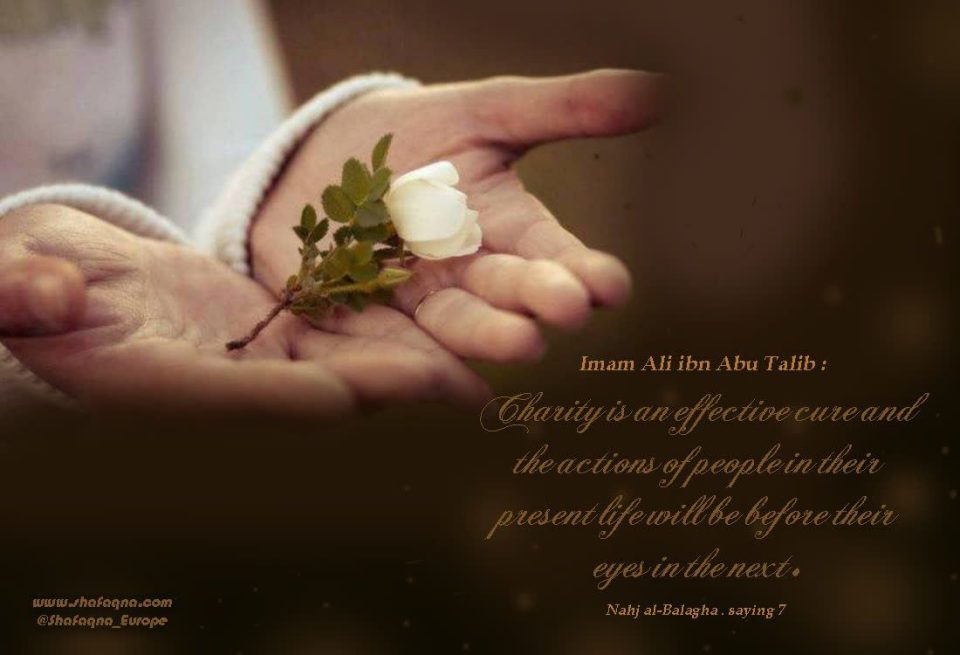
Charity is an effective cure

mustafa askari

Related Posts

No Compulsion in Religion According to Seerah of Holy Prophet
Culture and art

No Compulsion in Religion According to Seerah of Holy Prophet

by mustafa askari
2022-10-15
Culture and art

Role of Religion in Spiritual Health

by mustafa askari
2022-10-15
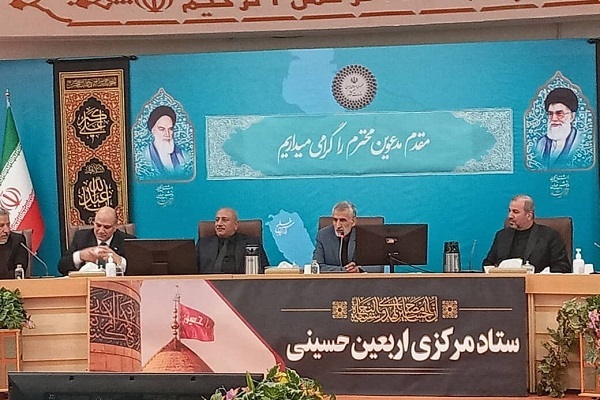
Over 6m People Visited Karbala on Ashura: Official
Culture and art

Over 6m People Visited Karbala on Ashura: Official

by mustafa askari
2022-08-17
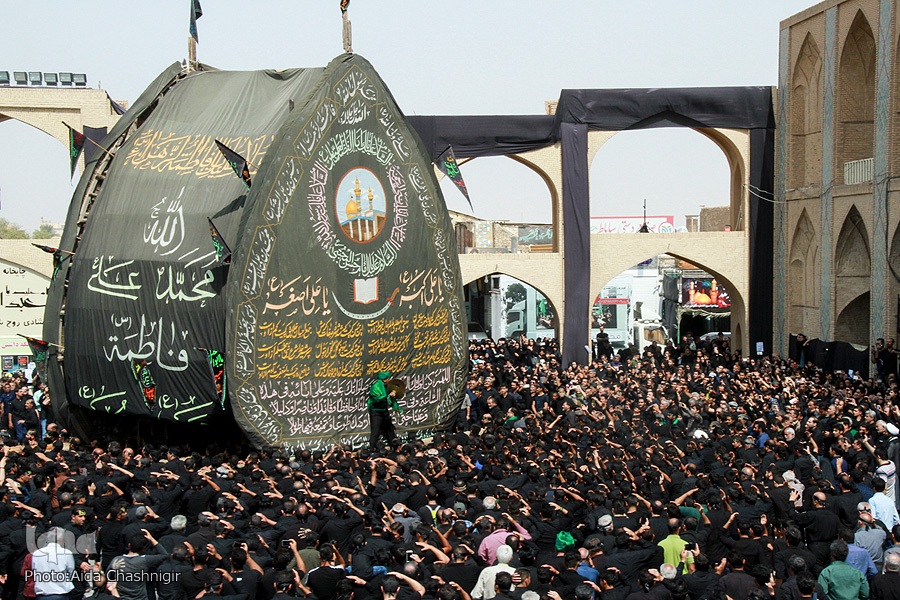
Nakhl-Gardani, A Symbolic Funeral Procession for Imam Hussein (AS)
Culture and art

Nakhl-Gardani, A Symbolic Funeral Procession for Imam Hussein (AS)

by mustafa askari
2022-08-17
Iraqi Gov’t to Decide on Vaccine Requirements for Arbaeen Pilgrims Soon
Culture and art

Iraqi Gov’t to Decide on Vaccine Requirements for Arbaeen Pilgrims Soon

by mustafa askari
2022-08-17
Next Post
Charity is an effective cure

Charity is an effective cure

Leave a Reply Cancel reply

Your email address will not be published. Required fields are marked *

Latest Post

Message from the World Assembly of Shi’a Studies on the Passing of the Eminent Religious Scholar, Grand Ayatollah Sayyid Musa Shubayri Zanjani (May God Have Mercy on Him)

Message from the World Assembly of Shi’a Studies on the Passing of the Eminent Religious Scholar, Grand Ayatollah Sayyid Musa Shubayri Zanjani (May God Have Mercy on Him)

2026-09-23
# Leader of the Islamic Revolution Issues Condolence Message Following the Passing of Ayatollah Shobeyri Zanjani; Message Released

# Leader of the Islamic Revolution Issues Condolence Message Following the Passing of Ayatollah Shobeyri Zanjani; Message Released

2026-09-23
An Examination of the Sixteen Distinctive Virtues of Lady Fatima al-Ma’suma (Peace Be Upon Her)

An Examination of the Sixteen Distinctive Virtues of Lady Fatima al-Ma’suma (Peace Be Upon Her)

2026-09-22
The Passing of Lady Fatima Masuma (Peace Be Upon Her)

The Passing of Lady Fatima Masuma (Peace Be Upon Her)

2026-09-22
The Prayer of the People of Paradise

Imam Hussein (AS) from the Perspective of the World’s Thinkers

2026-09-15
The Prayer of the People of Paradise

The Prayer of the People of Paradise

2026-09-15
Load More

Browse by Tags

Ahl al-Bayt (A.S.) Ahlul Bayt Al-Mahdi (AS) Allah Ashura Ayatollah Sobhani Ethics faith Fatima fiqh ghadir God History Holy Prophet Imam 'Ali Imam Ali (A.S.) Imam Husain Imams infallibles Islam Islamic Laws Islamic rules Jurisprudence Karbala Martyrdom morality Muhammad Nahj al Balaghah prayer prophet Quran Ramadan Reborn Salat Sayed Moustafa Qazwini shaistudies shia Shia Beliefs Shia Imams Shia Islam Shia Studie's World Assembly shiastudies Sin the differences between Shi’a and Sunni the story of those who converted to Shia Islam

The World Assembly of Shiite Studies was established in 2003 (1382 AH) by a group of scholars from seminaries and universities. The purpose of founding this independent academic institution was to introduce the school of Shi‘ism and defend its legitimacy through education, research, translation and publication, communications, and Islamic promotion. This center has continued its mission with strength and determination and envisions a bright future ahead.

Address: Qom, 45-Meter Ammar Yaser Boulevard, between Alley 4 and 6, World Assembly of Shiite Studies, Secretariat of Religious Scholars

Phone: +982537713773

Fax: +982537713774

All rights of the website are reserved and belong to the World Assembly of Shiite Studies.