• Home
  • Bank of Subjects of Articles
    • Bibliography
    • Characters
    • Culture and art
    • Economics
    • Educational sciences
    • ethics
    • Geography of Islamic world
    • History
    • Islamic jurisprudence and principles
    • Kalam (Islamic scholastic theology)
    • Mahdism
    • Philosophy and logic
    • Political science
    • pray and pilgrimage
    • Prophet and Ahl-al bayt
  • Islamic Teachings
  • quran
  • The Infallibles
  • Shia Beliefs
  • Morality
  • Events
    • Media Reflection
    • Muharram
    • News of Shia World
    • News of Worldly Assembly for Shia Studies
  • Home
  • Bank of Subjects of Articles
    • Bibliography
    • Characters
    • Culture and art
    • Economics
    • Educational sciences
    • ethics
    • Geography of Islamic world
    • History
    • Islamic jurisprudence and principles
    • Kalam (Islamic scholastic theology)
    • Mahdism
    • Philosophy and logic
    • Political science
    • pray and pilgrimage
    • Prophet and Ahl-al bayt
  • Islamic Teachings
  • quran
  • The Infallibles
  • Shia Beliefs
  • Morality
  • Events
    • Media Reflection
    • Muharram
    • News of Shia World
    • News of Worldly Assembly for Shia Studies
Home ghadir Contention of Religious scholar to ghadir

Ali’s caliphate after the Prophet(s)

by شهاب الدین مجتهدی
2019-08-25
in Contention of Religious scholar to ghadir, ghadir
0
Ali’s caliphate after the Prophet(s)
0
SHARES
71
VIEWS
Share on FacebookShare on Twitter

Ali’s caliphate
When Muhammad died in 632 CE, Ali and Muhammad’s closest relatives made the funeral arrangements. While they were preparing his body, Abu Bakr, Umar. and Abu Ubaidah ibn al Jarrah met with the leaders of Medina and elected Abu Bakr as caliph. Ali did not accept the caliphate of Abu Bakr and refused to pledge allegiance to him. This is indicated in both Sunni and Shia sahih and authentic Hadith.
Ibn Qutaybah, a 9th-century Sunni Islamic scholar narrates of Ali (a.s):
I am the servant of God and the brother of the Messenger of God.  and I am thus more worthy of this office than you. I shall not give allegiance to you [Abu Bakr & Umar] when it is more proper for you to give bay’ah to me. You have seized this office from the Ansar using your tribal relationship to the Prophet as an argument against them. Would you then seize this office from us, the ahl al-bayt by force? Did you not claim before the Ansar that you were more worthy than they of the caliphate because Muhammad came from among you (but Muhammad was never from AbuBakr family) . and thus they gave you leadership and surrendered command? I now contend against you with the same argument…It is we who are more worthy of the Messenger of God, living or dead. Give us our due right if you truly have faith in God, or else bear the charge of wilfully doing wrong… Umar, I will not yield to your commands: I shall not pledge loyalty to him.’ Ultimately Abu Bakr said, “O ‘Ali! If you do not desire to give your bay’ah, I am not going to force you for the same.
Ali’s wife, and daughter of Muhammad, Fatimah, refused to pledge allegiance to Abu Bakr and remained angry with him until she died due to the issues of Fadak . and her inheritance from her father and the situation of Umar at Fatimah’s house. This is stated in sahih Sunni Hadith, Sahih Bukhari and Sahih Muslim. Fatimah did not at all pledge allegiance or acknowledge or accept the caliphate of Abu Bakr. Almost all of Banu Hashim, Muhammad’s clan and many of the sahaba, had supported Ali’s cause after the demise of the prophet whilst others supported Abu Bakr.
It was not until the murder of the third caliph, Uthman, in 657 CE that the Muslims in Medina in desperation invited Ali to become the fourth caliph as the last source. and he established his capital in Kufah in present-day Iraq.
Ali’s rule over the early Muslim community was often contested. and wars were waged against him. As a result, he had to struggle to maintain his power against the groups who betrayed him after giving allegiance to his succession, or those who wished to take his position. This dispute eventually led to the First Fitna, which was the first major civil war within the Islamic Caliphate. The Fitna began as a series of revolts fought against Ali ibn Abi Talib, caused by the assassination of his political predecessor, Uthman ibn Affan. While the rebels who accused Uthman of prejudice[clarification needed] affirmed Ali’s khilafa (caliph-hood), they later turned against him and fought him. Ali ruled from 656 CE to 661 CE, when he was assassinated while prostrating in prayer (sujud). Ali’s main rival Muawiyah then claimed the caliphate.


shiastudies.com

Tags: Ali(a.s)allegiancecaliphatesahih Sunnishiastudies
Previous Post

Sermon of Ghadir Khumm

Next Post

deeds the day of Eid ghadir

شهاب الدین مجتهدی

Related Posts

Hadith Graph: “We are not neglecting to consider you and not forgetting to remember you…”
Hadiths

Hadith Graph: “We are not neglecting to consider you and not forgetting to remember you…”

by mustafa askari
2024-03-02
Twelve Imams Hadith and the Birth of Sahib Al Amr (ajtf)
Hadiths

Twelve Imams Hadith and the Birth of Sahib Al Amr (ajtf)

by mustafa askari
2022-10-10
Religious Scholar: Ghadir is the “Essence of Islam”
Contention of Religious scholar to ghadir

Religious Scholar: Ghadir is the “Essence of Islam”

by mustafa askari
2022-07-26
Successor of the Prophet Muhammad (PBUH) & Ghadir Khumm
Contention Ahl al-Bayt to ghadir

Successor of the Prophet Muhammad (PBUH) & Ghadir Khumm

by mustafa askari
2022-07-23
The Historical Speech of the Holy Prophet (S.A.W.) in Ghadir Khum
ghadir

The Historical Speech of the Holy Prophet (S.A.W.) in Ghadir Khum

by mustafa askari
2022-07-19
Next Post
deeds the day of Eid ghadir

deeds the day of Eid ghadir

Leave a Reply Cancel reply

Your email address will not be published. Required fields are marked *

Latest Post

10 facts about marriage in Islam

10 facts about marriage in Islam

2025-05-26
A Clear Message in Response to the Arrogance of Donald Trump

A Clear Message in Response to the Arrogance of Donald Trump

2025-05-24
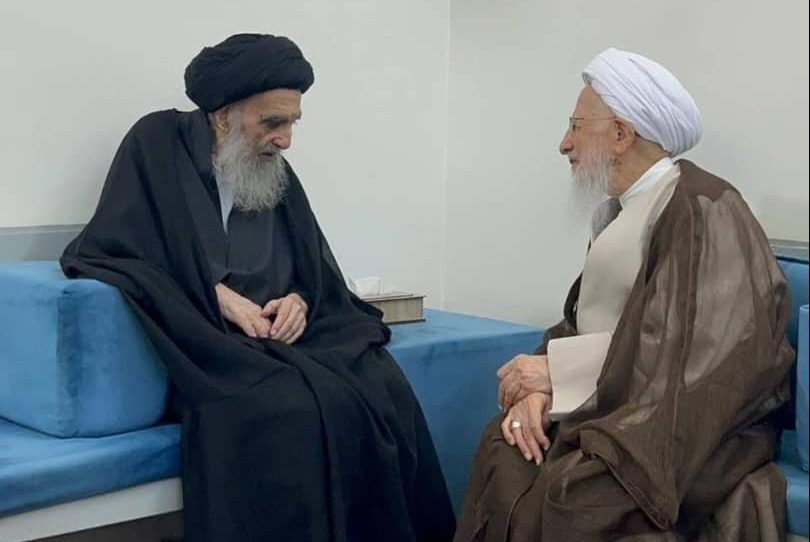
The Grand Ayatollah Sistani & the Grand Ayatollah Javadi Amoli Met in Najaf Ashraf

The Grand Ayatollah Sistani & the Grand Ayatollah Javadi Amoli Met in Najaf Ashraf

2025-05-19
Imam Ali (AS) Did Not Compromise on Unethical Politics

Imam Ali (AS) Did Not Compromise on Unethical Politics

2025-05-11
UK: Reform councillors face allegations of sharing social media Islamophobic content

UK: Reform councillors face allegations of sharing social media Islamophobic content

2025-05-11
How to be just with your children?

How to be just with your children?

2025-05-10
Load More

Browse by Tags

Ahl al-Bayt (A.S.) Ahlul Bayt Al-Mahdi (AS) Allah Ashura Ayatollah Sobhani Ethics faith Fatima fiqh ghadir God History Holy Prophet Imam 'Ali Imam Ali (A.S.) Imam Husain Imams infallibles Islam Islamic Laws Islamic rules Jurisprudence Karbala Martyrdom morality Muhammad Nahj al Balaghah prayer prophet Quran Ramadan Reborn Salat Sayed Moustafa Qazwini shaistudies shia Shia Beliefs Shia Imams Shia Islam Shia Studie's World Assembly shiastudies Sin the differences between Shi’a and Sunni the story of those who converted to Shia Islam

The World Assembly of Shiite Studies was established in 2003 (1382 AH) by a group of scholars from seminaries and universities. The purpose of founding this independent academic institution was to introduce the school of Shi‘ism and defend its legitimacy through education, research, translation and publication, communications, and Islamic promotion. This center has continued its mission with strength and determination and envisions a bright future ahead.

Address: Qom, 45-Meter Ammar Yaser Boulevard, between Alley 4 and 6, World Assembly of Shiite Studies, Secretariat of Religious Scholars

Phone: +982537713773

Fax: +982537713774

All rights of the website are reserved and belong to the World Assembly of Shiite Studies.

Are you sure want to unlock this post?
Unlock left : 0
Are you sure want to cancel subscription?