• Home
  • Bank of Subjects of Articles
    • Bibliography
    • Characters
    • Culture and art
    • Economics
    • Educational sciences
    • ethics
    • Geography of Islamic world
    • History
    • Islamic jurisprudence and principles
    • Kalam (Islamic scholastic theology)
    • Mahdism
    • Philosophy and logic
    • Political science
    • pray and pilgrimage
    • Prophet and Ahl-al bayt
  • Islamic Teachings
  • quran
  • The Infallibles
  • Shia Beliefs
  • Morality
  • Events
    • Media Reflection
    • Muharram
    • News of Shia World
    • News of Worldly Assembly for Shia Studies
  • Home
  • Bank of Subjects of Articles
    • Bibliography
    • Characters
    • Culture and art
    • Economics
    • Educational sciences
    • ethics
    • Geography of Islamic world
    • History
    • Islamic jurisprudence and principles
    • Kalam (Islamic scholastic theology)
    • Mahdism
    • Philosophy and logic
    • Political science
    • pray and pilgrimage
    • Prophet and Ahl-al bayt
  • Islamic Teachings
  • quran
  • The Infallibles
  • Shia Beliefs
  • Morality
  • Events
    • Media Reflection
    • Muharram
    • News of Shia World
    • News of Worldly Assembly for Shia Studies
Home The Infallibles

Imam Sadiq’s Effective Strategy

by mustafa askari
2022-04-28
in The Infallibles
0
Imam Sadiq’s Effective Strategy
0
SHARES
26
VIEWS
Share on FacebookShare on Twitter

Imam Jafar bin Muhammad had two kinds of different behavior towards the rulers, especially towards Mansour Abbasi; these two seem to be contradicting each other. He would sometimes talk nicely to him, trying to justify himself and he would sometimes treat him roughly.

He would talk calmly sometimes and he seemed to be asking Mansour to believe him. For instance, “I swear I did not do that and I do not think that anyone should do something like that. I do not believe in it and I am obedient of you all the time. I am old and weak. You can even keep me in your prisons if you want until I die, which will happen soon.”‌

On another occasion he sends this message to Mansour, “If you do not stop annoying us, I will curse you five times a day.”‌ There are other reactions similar to this.

Why did Imam Sadiq treat Mansour like this? Which of these two behaviors people should take as an example?

A. Principle of Precaution (Reservation)

‘Precaution’ is one of the important principles in the beliefs of the Shia.

According to Shaikh Mofid, “Precaution means to hide what is right and to hide one’s beliefs from the enemy and even to support the enemy in what is harmful both for the religion and for one’s life. This is obligatory to be carried out whenever we are sure that it is crucial and it is not obligatory to be done if we are not sure that it is crucial.”‌

There are four reasons for precaution. According to Qur’an,“Let not the believers Take for friends or helpers Unbelievers rather than believers: if any do that, in nothing will there be help from Allah, except by way of precaution, that ye may Guard yourselves from them. But Allah cautions you (To remember) Himself; for the final goal is to Allah.”‌ (Al ‘Imran: 28)

According to this verse, God is giving permission to the believers to be precautious and to pretend to be friends with the unbelievers to escape from the risk if there is a possibility for them to get killed… People should act reasonable all the time and to save their lives and properties and not to risk them.

Imam Sadiq was under very severe political pressure, so he had to act precautious in many occasions.

Imam Sadiq was not the first one who used this principle; Imam Ali too had lived based on this principle most of his life. He even proposed to the Shias to have this possibility in mind and to act precautious towards the oppressor governments. He would always tell his companions to hide their beliefs in both what they say and in what they do.

At the time of Imam Hussein, only on the third decade AH there was a relative freedom. Even at that time the Shia was under close observation. But it has never been harder on the Shia than at the time of Umayyad Caliphate and Mansour Abbasi later. Imam Sadiq and his companions had to be very cautious in order to save their lives.

Imam Sadiq’s repetitive emphasis on the principle of precaution shows how intensified the political pressure was. The risk of the attack on the Shia was so strong that Imam Sadiq announced that if someone does not act precautious, it is like he does not say his prayers.

He even told Mualla bin Khunais, “Mualla! Keep our secrets and do not tell anyone about them. God rewards the one who keeps our secrets.”‌

The pressure was so much that the Shias even had to pass by each other indifferently. Abu-Jafar Mansour too seemed to have spies everywhere, “Mansour had spies in Medina that would kill anyone who would go to the Shias of Jafar.”‌

B. Changes of Behavior of the Oppressors towards Imam Sadiq

Some of the rulers, particularly, Mansour, were not psychologically firm. Mansour was the ruler of the Islamic countries, but because he knew Imam Jafar Sadiq was the true leader, who had every virtue, and because he knew that he could not resist Imam Sadiq if he would start a fight against him for getting the government, he sometimes ignored Imam Sadiq’s harshness; he did not want to provoke him, so that he would start a battle.

At the same time, Mansour loved his position as the ruler, and this excessive love had made him unable to see and to hear the truth. So, he would sometimes offend Imam Sadiq and even tried to kill him.

Therefore, according to the situation, Imam Sadiq would talk about what he really believed in, or would act precautious.

source:english.tebyan

Tags: Ahlul BaytAllahImamsShia Studie's World Assembly
Previous Post

Who is Zahra?

Next Post

Commentary of Surah Al-Asr

mustafa askari

Related Posts

Imam Ali (AS) Did Not Compromise on Unethical Politics
ethics

Imam Ali (AS) Did Not Compromise on Unethical Politics

by mustafa askari
2025-05-11
“Imam Ridha (AS) Restored Human Dignity / Imam Ridha (AS) Revived Name of Imam Hussain (AS) and Event of Karbala”
ethics

“Imam Ridha (AS) Restored Human Dignity / Imam Ridha (AS) Revived Name of Imam Hussain (AS) and Event of Karbala”

by mustafa askari
2025-05-10
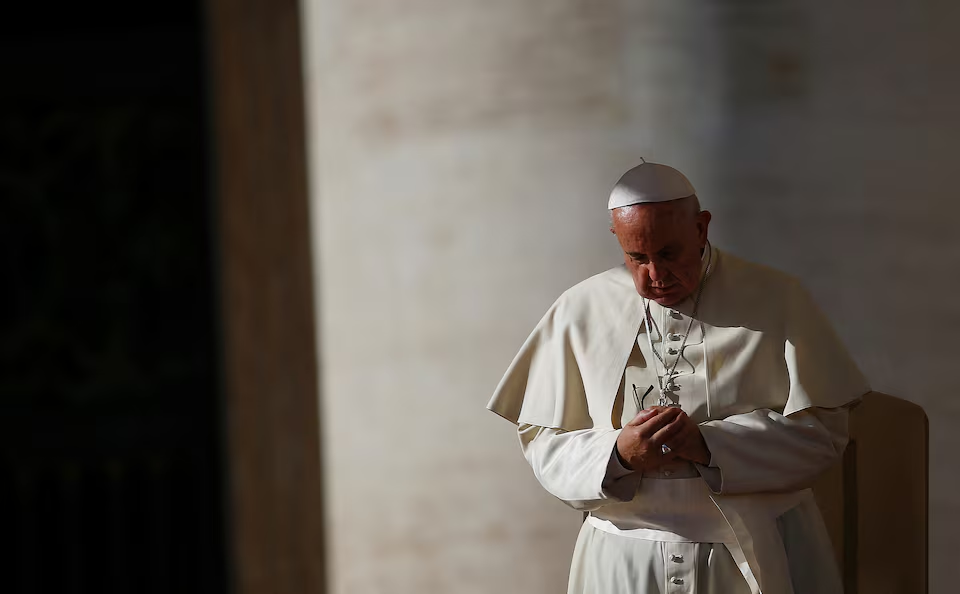
Pope Francis symbol of interreligious friendship
The Infallibles

Pope Francis symbol of interreligious friendship

by mustafa askari
2025-04-24
Scholarly Life of Imam Sadiq (AS)
The Infallibles

Scholarly Life of Imam Sadiq (AS)

by mustafa askari
2025-04-24
Over 4 Million Pilgrims Visited Qom during Mid-Shaaban Eid, Official Says
The Infallibles

Over 4 Million Pilgrims Visited Qom during Mid-Shaaban Eid, Official Says

by mustafa askari
2025-02-17
Next Post
Commentary of Surah Al-Asr

Commentary of Surah Al-Asr

Leave a Reply Cancel reply

Your email address will not be published. Required fields are marked *

Latest Post

10 facts about marriage in Islam

10 facts about marriage in Islam

2025-05-26
A Clear Message in Response to the Arrogance of Donald Trump

A Clear Message in Response to the Arrogance of Donald Trump

2025-05-24
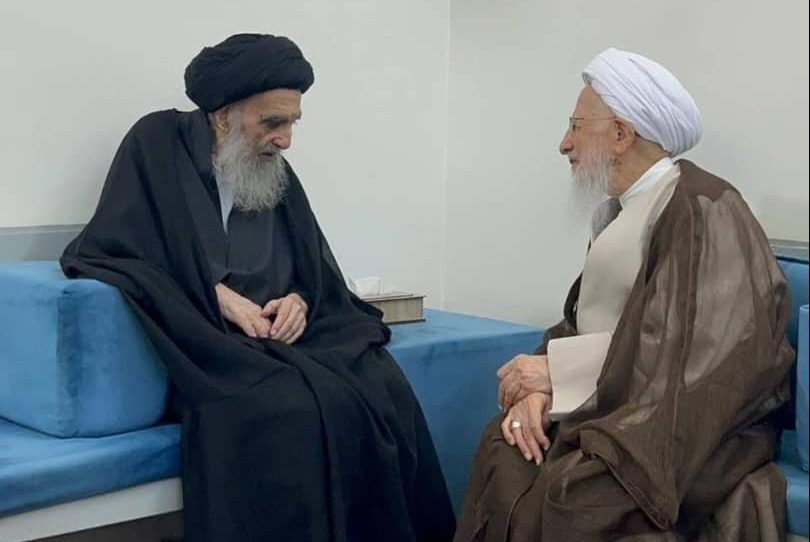
The Grand Ayatollah Sistani & the Grand Ayatollah Javadi Amoli Met in Najaf Ashraf

The Grand Ayatollah Sistani & the Grand Ayatollah Javadi Amoli Met in Najaf Ashraf

2025-05-19
Imam Ali (AS) Did Not Compromise on Unethical Politics

Imam Ali (AS) Did Not Compromise on Unethical Politics

2025-05-11
UK: Reform councillors face allegations of sharing social media Islamophobic content

UK: Reform councillors face allegations of sharing social media Islamophobic content

2025-05-11
How to be just with your children?

How to be just with your children?

2025-05-10
Load More

Browse by Tags

Ahl al-Bayt (A.S.) Ahlul Bayt Al-Mahdi (AS) Allah Ashura Ayatollah Sobhani Ethics faith Fatima fiqh ghadir God History Holy Prophet Imam 'Ali Imam Ali (A.S.) Imam Husain Imams infallibles Islam Islamic Laws Islamic rules Jurisprudence Karbala Martyrdom morality Muhammad Nahj al Balaghah prayer prophet Quran Ramadan Reborn Salat Sayed Moustafa Qazwini shaistudies shia Shia Beliefs Shia Imams Shia Islam Shia Studie's World Assembly shiastudies Sin the differences between Shi’a and Sunni the story of those who converted to Shia Islam

The World Assembly of Shiite Studies was established in 2003 (1382 AH) by a group of scholars from seminaries and universities. The purpose of founding this independent academic institution was to introduce the school of Shi‘ism and defend its legitimacy through education, research, translation and publication, communications, and Islamic promotion. This center has continued its mission with strength and determination and envisions a bright future ahead.

Address: Qom, 45-Meter Ammar Yaser Boulevard, between Alley 4 and 6, World Assembly of Shiite Studies, Secretariat of Religious Scholars

Phone: +982537713773

Fax: +982537713774

All rights of the website are reserved and belong to the World Assembly of Shiite Studies.

Are you sure want to unlock this post?
Unlock left : 0
Are you sure want to cancel subscription?