• Home
  • Bank of Subjects of Articles
    • Bibliography
    • Characters
    • Culture and art
    • Economics
    • Educational sciences
    • ethics
    • Geography of Islamic world
    • History
    • Islamic jurisprudence and principles
    • Kalam (Islamic scholastic theology)
    • Mahdism
    • Philosophy and logic
    • Political science
    • pray and pilgrimage
    • Prophet and Ahl-al bayt
  • Islamic Teachings
  • quran
  • The Infallibles
  • Shia Beliefs
  • Morality
  • Events
    • Media Reflection
    • Muharram
    • News of Shia World
    • News of Worldly Assembly for Shia Studies
  • Home
  • Bank of Subjects of Articles
    • Bibliography
    • Characters
    • Culture and art
    • Economics
    • Educational sciences
    • ethics
    • Geography of Islamic world
    • History
    • Islamic jurisprudence and principles
    • Kalam (Islamic scholastic theology)
    • Mahdism
    • Philosophy and logic
    • Political science
    • pray and pilgrimage
    • Prophet and Ahl-al bayt
  • Islamic Teachings
  • quran
  • The Infallibles
  • Shia Beliefs
  • Morality
  • Events
    • Media Reflection
    • Muharram
    • News of Shia World
    • News of Worldly Assembly for Shia Studies
Home Bank of Subjects of Articles ethics

Theology of Hope And Divine Promises

by mustafa askari
2022-05-16
in ethics
0
Theology of Hope And Divine Promises
0
SHARES
27
VIEWS
Share on FacebookShare on Twitter
The failures of classic theology in making a hopeful portrayal of the God/man/world triangle have led to formation of new readings like theology of hope.


The theology of hope provides answers to five questions raised about classic theology but it has its own problems, meaning that we still do not have a perfect theology.

In Islamic tradition, detailed readings compatible with science have been produced from the school of Mulla Sadra that to some extent provide answers to the problems arising from the Aristotelian philosophy but it still has a long way to go and theologians need to answer serious questions about issues like the problem of evil, man’s free will, etc.

The theology of hope talks about a God who, unlike classic theology, is not separate from the material world and mankind. A separate and independent God has caused the above-mentioned questions and criticisms. Moreover, in the decades after two world wars, believers were seeking to find out why God is not accountable (about so much misery). Classic theology talks about a God who is not accountable. This is while one of the main characteristics of believers is accountability, according to Seyyed Hossein Nasr. A believer considers himself to be accountable, much more than a secular person does.

We have hope in our God and this is not an unrealistic hope. The difference between a hope and a wish is that a hope is a wish that is believed to be achievable. That is, it has both an emotional and an epistemological aspect. If there is no belief that it can be achieved, it will be a wish not a hope.  You can wish to be God but cannot hope so.

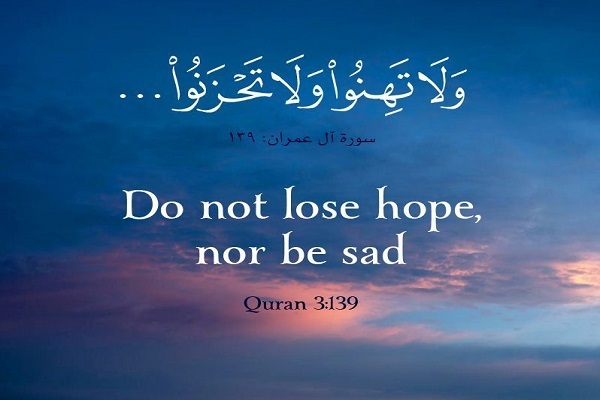
The reason why we hope we will have a bright future is the verses in sacred texts, especially the Holy Quran: “Be patient, as the Messengers of might were patient, and do not hasten it for them. On the Day when they see what they have been promised …” (Surah Al-Ahqaf, verse 35)

The word “promise” is seen in the Quran frequently. These promises are the main reason for us to be hopeful. We are hopeful because we have been promised (by God). God has guaranteed that the future of history will belong to the Mustazafeen: “But We have decided to grant a favor to the suppressed ones by appointing them leaders and heirs of the land.” (Surah Al-Qasas, verse 5)

source:iqna



Tags: EthicsIslammoralityShia Studie's World Assembly
Previous Post

Signs of a believer

Next Post

Iranian Cleric, Islamic Ethics Scholar Ayatollah Fateminia Passes Away

mustafa askari

Related Posts

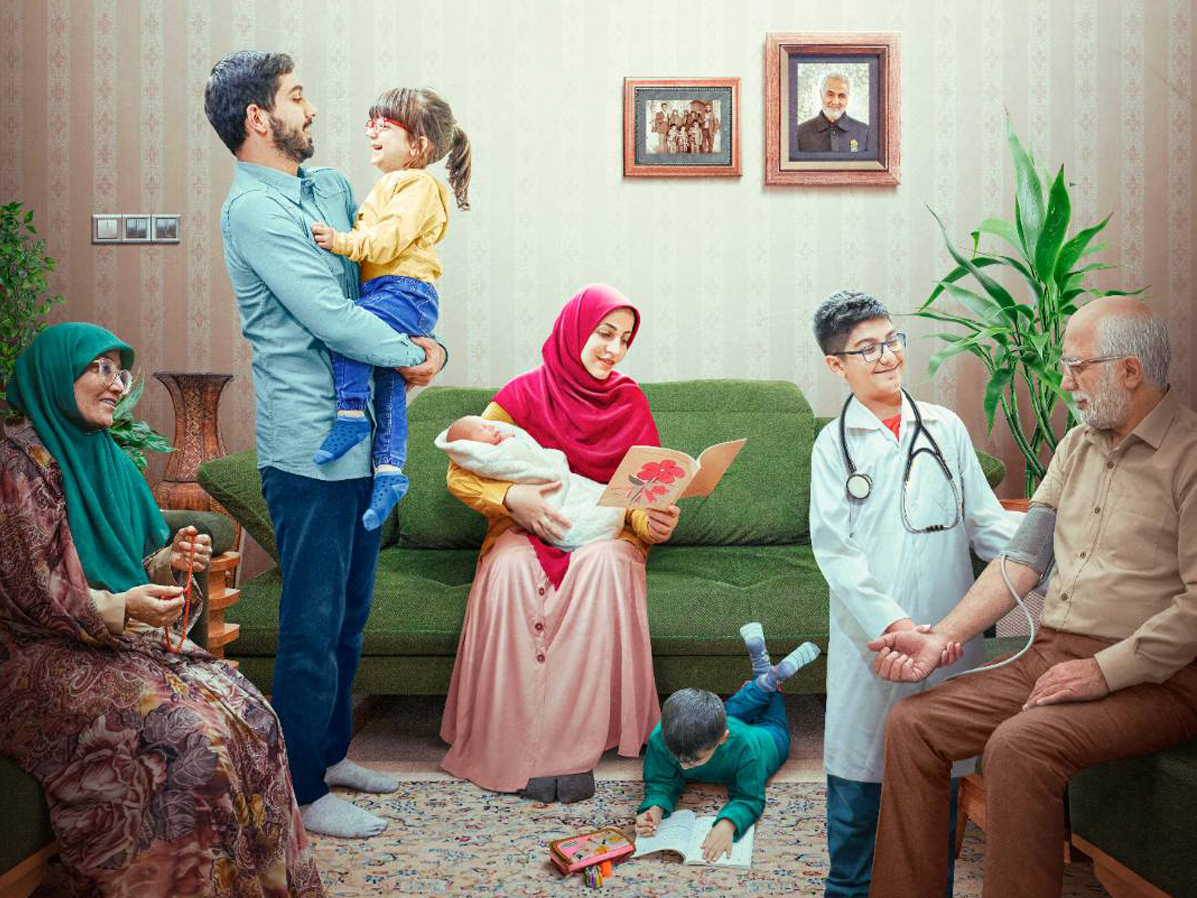
10 facts about marriage in Islam
ethics

10 facts about marriage in Islam

by mustafa askari
2025-05-26
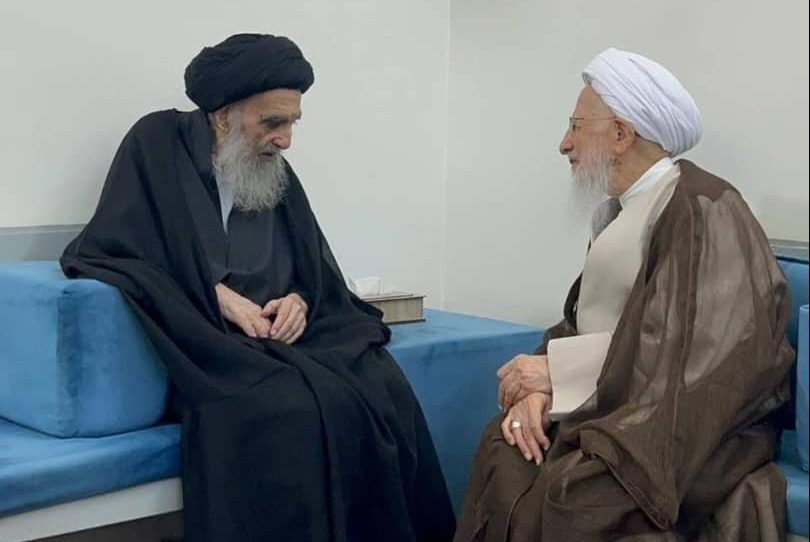
The Grand Ayatollah Sistani & the Grand Ayatollah Javadi Amoli Met in Najaf Ashraf
ethics

The Grand Ayatollah Sistani & the Grand Ayatollah Javadi Amoli Met in Najaf Ashraf

by mustafa askari
2025-05-19
Imam Ali (AS) Did Not Compromise on Unethical Politics
ethics

Imam Ali (AS) Did Not Compromise on Unethical Politics

by mustafa askari
2025-05-11
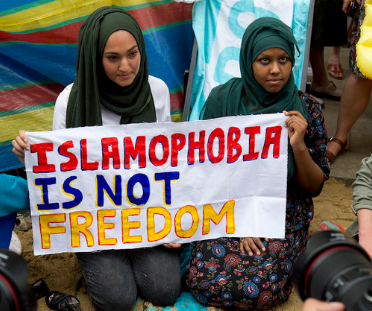
UK: Reform councillors face allegations of sharing social media Islamophobic content
ethics

UK: Reform councillors face allegations of sharing social media Islamophobic content

by mustafa askari
2025-05-11
How to be just with your children?
ethics

How to be just with your children?

by mustafa askari
2025-05-10
Next Post
Iranian Cleric, Islamic Ethics Scholar Ayatollah Fateminia Passes Away

Iranian Cleric, Islamic Ethics Scholar Ayatollah Fateminia Passes Away

Leave a Reply Cancel reply

Your email address will not be published. Required fields are marked *

Latest Post

10 facts about marriage in Islam

10 facts about marriage in Islam

2025-05-26
A Clear Message in Response to the Arrogance of Donald Trump

A Clear Message in Response to the Arrogance of Donald Trump

2025-05-24
The Grand Ayatollah Sistani & the Grand Ayatollah Javadi Amoli Met in Najaf Ashraf

The Grand Ayatollah Sistani & the Grand Ayatollah Javadi Amoli Met in Najaf Ashraf

2025-05-19
Imam Ali (AS) Did Not Compromise on Unethical Politics

Imam Ali (AS) Did Not Compromise on Unethical Politics

2025-05-11
UK: Reform councillors face allegations of sharing social media Islamophobic content

UK: Reform councillors face allegations of sharing social media Islamophobic content

2025-05-11
How to be just with your children?

How to be just with your children?

2025-05-10
Load More

Browse by Tags

Ahl al-Bayt (A.S.) Ahlul Bayt Al-Mahdi (AS) Allah Ashura Ayatollah Sobhani Ethics faith Fatima fiqh ghadir God History Holy Prophet Imam 'Ali Imam Ali (A.S.) Imam Husain Imams infallibles Islam Islamic Laws Islamic rules Jurisprudence Karbala Martyrdom morality Muhammad Nahj al Balaghah prayer prophet Quran Ramadan Reborn Salat Sayed Moustafa Qazwini shaistudies shia Shia Beliefs Shia Imams Shia Islam Shia Studie's World Assembly shiastudies Sin the differences between Shi’a and Sunni the story of those who converted to Shia Islam

The World Assembly of Shiite Studies was established in 2003 (1382 AH) by a group of scholars from seminaries and universities. The purpose of founding this independent academic institution was to introduce the school of Shi‘ism and defend its legitimacy through education, research, translation and publication, communications, and Islamic promotion. This center has continued its mission with strength and determination and envisions a bright future ahead.

Address: Qom, 45-Meter Ammar Yaser Boulevard, between Alley 4 and 6, World Assembly of Shiite Studies, Secretariat of Religious Scholars

Phone: +982537713773

Fax: +982537713774

All rights of the website are reserved and belong to the World Assembly of Shiite Studies.

Are you sure want to unlock this post?
Unlock left : 0
Are you sure want to cancel subscription?