• Home
  • Bank of Subjects of Articles
    • Bibliography
    • Characters
    • Culture and art
    • Economics
    • Educational sciences
    • ethics
    • Geography of Islamic world
    • History
    • Islamic jurisprudence and principles
    • Kalam (Islamic scholastic theology)
    • Mahdism
    • Philosophy and logic
    • Political science
    • pray and pilgrimage
    • Prophet and Ahl-al bayt
  • Islamic Teachings
  • quran
  • The Infallibles
  • Shia Beliefs
  • Morality
  • Events
    • Media Reflection
    • Muharram
    • News of Shia World
    • News of Worldly Assembly for Shia Studies
  • Home
  • Bank of Subjects of Articles
    • Bibliography
    • Characters
    • Culture and art
    • Economics
    • Educational sciences
    • ethics
    • Geography of Islamic world
    • History
    • Islamic jurisprudence and principles
    • Kalam (Islamic scholastic theology)
    • Mahdism
    • Philosophy and logic
    • Political science
    • pray and pilgrimage
    • Prophet and Ahl-al bayt
  • Islamic Teachings
  • quran
  • The Infallibles
  • Shia Beliefs
  • Morality
  • Events
    • Media Reflection
    • Muharram
    • News of Shia World
    • News of Worldly Assembly for Shia Studies
Home Bank of Subjects of Articles ethics

The Importance Of Thinking

by mustafa askari
2022-06-18
in ethics
0
The Importance Of Thinking
0
SHARES
15
VIEWS
Share on FacebookShare on Twitter

Thinking is an incredible activity. We do it all the time automatically. Scientists say that we never stop having the words move through our minds. Even when we are asleep a flow of words is streaming around inside of us. In fact, while human beings can speak at the rate of 150 to 200 words a minute, we think at the rate of 1300 to 1800 words a minute [and we read from 200 to 400 words a minute on average]. This helps to explain why our mind sometimes wanders when we are listening to someone [or their mind wanders when we are speaking!].

Our thoughts are the single most important physical item in determining our destiny. How we think will dictate how we feel and how we react to situations in life. That, in turn, will determine our success or failure.

What is thinking? It is basically our mind talking to ourselves. Every human being is constantly talking to themselves – they just don’t usually do it out loud. Everyone has both negative and positive fleeting thoughts. You know the kind. They just seem to come into our mind from nowhere. These are not the thoughts that will effect our destiny. If it is just in and out there is no lasting impression, but if we choose to spend time dwelling or meditating about the thought then it becomes a part of who we are and will impact our lives for better or worse.

Our mind has the ability to evaluate facts and decide what is true or false. It make a wrong decision based on incomplete or inaccurate data, but it will evaluate information. We can then decide what to think about.

Our emotions are the opposite. They cannot evaluate facts. They simply react to what the mind tells them is true. For example, imagine you are back in school. Unexpectedly you are called to the Principal’s office. Your mind evaluates the information and tells your emotions – “You are in trouble now.” Instantly, the butterflies in the stomach start, your legs move slower, fear wells up in your heart. When you get to the principal’s office you find out he just wanted to thank you for some volunteer work you had done. What happened? Your mind fed your emotions misinformation and your emotions simply reacted.

Since our thoughts are programming our lives at the rate of 1300 to 1800 words a minute, 24 hours a day, it is extremely important what kind of thoughts we allow in our minds. It is important what kind of TV we watch, what kind of music we listen to, and what kind of friends we have. If we are constantly getting negative input, our programming is going to be largely negative, which, in turn, will hinder our ability to live happy, healthy lives.

It is especially important what kind of language we use with children. Their minds are in the process of developing the ability to evaluate facts. While they are in the process, they tend to believe everything they hear. If someone tells them they are stupid, or lazy, or will never amount to anything, they will tend to accept it as fact. Even when they mature they find it hard to overcome that kind of thinking which was programmed into them in their youth. Yes, children [and adults, too] have to be corrected when they are wrong, but it should never be in a way which devalues them as a person or introduces negative thinking into their minds.

How does this apply to reading? Many times children are labeled as having a learning disability simply because they have struggles in some areas. All of us are different. All of us struggle in some areas. In the case of reading, often the problem is more with ineffective methods of teaching reading than with the child. Because of hearing it so often, the child begins to think of himself or herself as learning disabled. They, then, don’t believe that they can ever learn. What a crime!

Now, I recognize that some people have genuine physical, mental, or spiritual issues which hinder their ability to learn. In extreme cases it may prevent them from learning. But, in most cases, amazing progress is possible if a person will simply believe in themselves with the right kind of thinking.

source: english.almaaref
Tags: Ahlul BaytEthicsImam 'AliIslammorality
Previous Post

Islamic Laws: Plants Rights

Next Post

Backbiting is prohibited in Islam

mustafa askari

Related Posts

10 facts about marriage in Islam
ethics

10 facts about marriage in Islam

by mustafa askari
2025-05-26
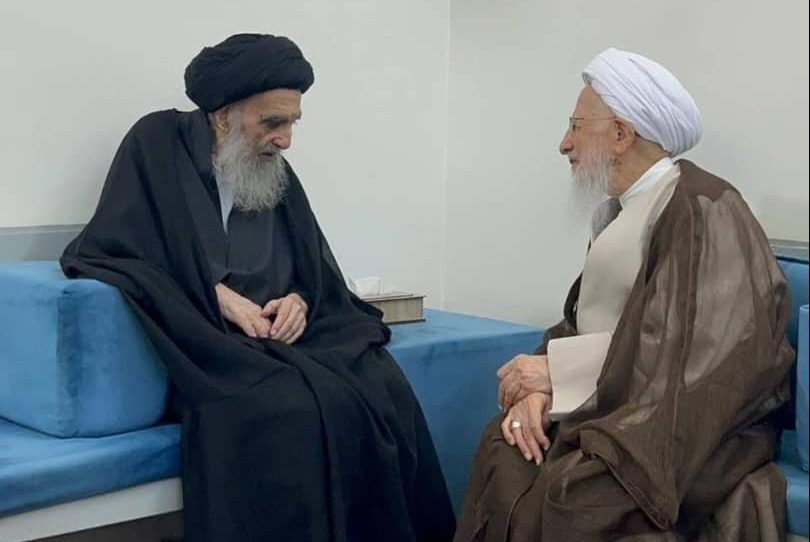
The Grand Ayatollah Sistani & the Grand Ayatollah Javadi Amoli Met in Najaf Ashraf
ethics

The Grand Ayatollah Sistani & the Grand Ayatollah Javadi Amoli Met in Najaf Ashraf

by mustafa askari
2025-05-19
Imam Ali (AS) Did Not Compromise on Unethical Politics
ethics

Imam Ali (AS) Did Not Compromise on Unethical Politics

by mustafa askari
2025-05-11
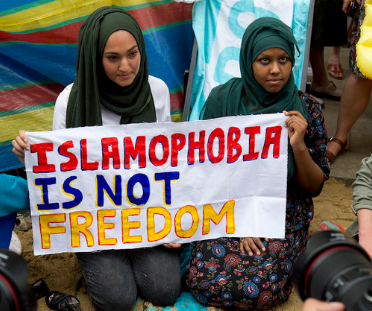
UK: Reform councillors face allegations of sharing social media Islamophobic content
ethics

UK: Reform councillors face allegations of sharing social media Islamophobic content

by mustafa askari
2025-05-11
How to be just with your children?
ethics

How to be just with your children?

by mustafa askari
2025-05-10
Next Post
Backbiting is prohibited in Islam

Backbiting is prohibited in Islam

Leave a Reply Cancel reply

Your email address will not be published. Required fields are marked *

Latest Post

10 facts about marriage in Islam

10 facts about marriage in Islam

2025-05-26
A Clear Message in Response to the Arrogance of Donald Trump

A Clear Message in Response to the Arrogance of Donald Trump

2025-05-24
The Grand Ayatollah Sistani & the Grand Ayatollah Javadi Amoli Met in Najaf Ashraf

The Grand Ayatollah Sistani & the Grand Ayatollah Javadi Amoli Met in Najaf Ashraf

2025-05-19
Imam Ali (AS) Did Not Compromise on Unethical Politics

Imam Ali (AS) Did Not Compromise on Unethical Politics

2025-05-11
UK: Reform councillors face allegations of sharing social media Islamophobic content

UK: Reform councillors face allegations of sharing social media Islamophobic content

2025-05-11
How to be just with your children?

How to be just with your children?

2025-05-10
Load More

Browse by Tags

Ahl al-Bayt (A.S.) Ahlul Bayt Al-Mahdi (AS) Allah Ashura Ayatollah Sobhani Ethics faith Fatima fiqh ghadir God History Holy Prophet Imam 'Ali Imam Ali (A.S.) Imam Husain Imams infallibles Islam Islamic Laws Islamic rules Jurisprudence Karbala Martyrdom morality Muhammad Nahj al Balaghah prayer prophet Quran Ramadan Reborn Salat Sayed Moustafa Qazwini shaistudies shia Shia Beliefs Shia Imams Shia Islam Shia Studie's World Assembly shiastudies Sin the differences between Shi’a and Sunni the story of those who converted to Shia Islam

The World Assembly of Shiite Studies was established in 2003 (1382 AH) by a group of scholars from seminaries and universities. The purpose of founding this independent academic institution was to introduce the school of Shi‘ism and defend its legitimacy through education, research, translation and publication, communications, and Islamic promotion. This center has continued its mission with strength and determination and envisions a bright future ahead.

Address: Qom, 45-Meter Ammar Yaser Boulevard, between Alley 4 and 6, World Assembly of Shiite Studies, Secretariat of Religious Scholars

Phone: +982537713773

Fax: +982537713774

All rights of the website are reserved and belong to the World Assembly of Shiite Studies.

Are you sure want to unlock this post?
Unlock left : 0
Are you sure want to cancel subscription?