• Home
  • Bank of Subjects of Articles
    • Bibliography
    • Characters
    • Culture and art
    • Economics
    • Educational sciences
    • ethics
    • Geography of Islamic world
    • History
    • Islamic jurisprudence and principles
    • Kalam (Islamic scholastic theology)
    • Mahdism
    • Philosophy and logic
    • Political science
    • pray and pilgrimage
    • Prophet and Ahl-al bayt
  • Islamic Teachings
  • quran
  • The Infallibles
  • Shia Beliefs
  • Morality
  • Events
    • Media Reflection
    • Muharram
    • News of Shia World
    • News of Worldly Assembly for Shia Studies
  • Home
  • Bank of Subjects of Articles
    • Bibliography
    • Characters
    • Culture and art
    • Economics
    • Educational sciences
    • ethics
    • Geography of Islamic world
    • History
    • Islamic jurisprudence and principles
    • Kalam (Islamic scholastic theology)
    • Mahdism
    • Philosophy and logic
    • Political science
    • pray and pilgrimage
    • Prophet and Ahl-al bayt
  • Islamic Teachings
  • quran
  • The Infallibles
  • Shia Beliefs
  • Morality
  • Events
    • Media Reflection
    • Muharram
    • News of Shia World
    • News of Worldly Assembly for Shia Studies
Home Bank of Subjects of Articles ethics

Greatest Jihad in View of Islam

by mustafa askari
2022-06-19
in ethics, The Quran
0
Greatest Jihad in View of Islam
0
SHARES
48
VIEWS
Share on FacebookShare on Twitter
Jihad (struggle for good) has an extensive meaning, a moral one that signifies efforts leading to man’s spiritual growth and development of his moral character.


In Islam, Jihad refers to making the most efforts and using all one’s power to do something. Today, some with Islamophobic objectives have interpreted the word Jihad in the Quran as fighting and going to the war front to confront the enemy. This is while in its real meaning, Jihad is a moral and spiritual concept. For instance, one who uses his capital or time to help others has done a kind of Jihad.

Overall, Jihad should be interpreted as moving on the path of God’s contentment. In Islam there are two kinds of Jihad: Jihad al-Asghar (the Lesser Jihad) and Jihad al-Akbar( the Greater Jihad). The first one refers to fighting for defending oneself and confronting an armed enemy.

The Quran says about this kind of Jihad: “God has purchased the souls and property of the believers in exchange for Paradise. They fight for the cause of God to destroy His enemies and to sacrifice themselves. This is a true promise which He has revealed in the Torah, the Gospel, and the Quran. No one is more true to His promise than God. Let this bargain be glad news for them. This is indeed the supreme triumph.” (Surah At-Tawbah, verse 111)

Jihad al-Akbar, though, according to what the Holy Prophet (PBUH) said, means the combat with the self.

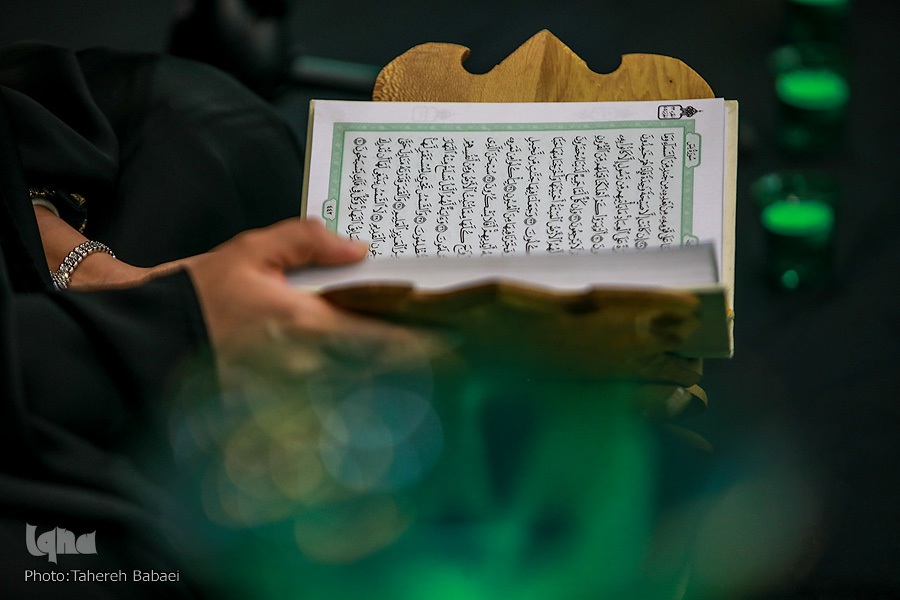
It is because the self is always inviting one to bad deeds and is inclined toward bad things and worldly desires. According to the Holy Quran, “And I do not declare myself free, most surely (man’s) self is wont to command (him to do) evil, except such as my Lord has had mercy on, surely my Lord is Forgiving, Merciful.” (Surah Yusuf, verse 53)

In Islamic ethics, Jihad al-Akbar, also known as Jihad al-Nafs, is a term referring to the struggle against one’s lower self or base instincts, in order to become a better Muslim by purifying one’s morality, thoughts, and behavior and resisting evil and unacceptable desires.

In the Quran and Hadith, there has been emphasis on combating the self, and in some Hadiths, Jihad against the self has been regarded as being superior to Jihad.

In Islam emphasis has been laid on Jihad al-Nafs and it is considered a constant duty of the faithful.

It is a difficult duty, though, as it has been said that people die once normally but one who is on the path of Jihad al-Nafs and combatting Satan and his own desires, dies seventy times a day. One can be in possession of his Nafs when he constantly confronts it.

source:iqna

Tags: AllahEthicsImam 'AliIslamJurisprudenceQuran
Previous Post

Who Not to Marry According to Quran

Next Post

Quran’s View on Materialism

mustafa askari

Related Posts

10 facts about marriage in Islam
ethics

10 facts about marriage in Islam

by mustafa askari
2025-05-26
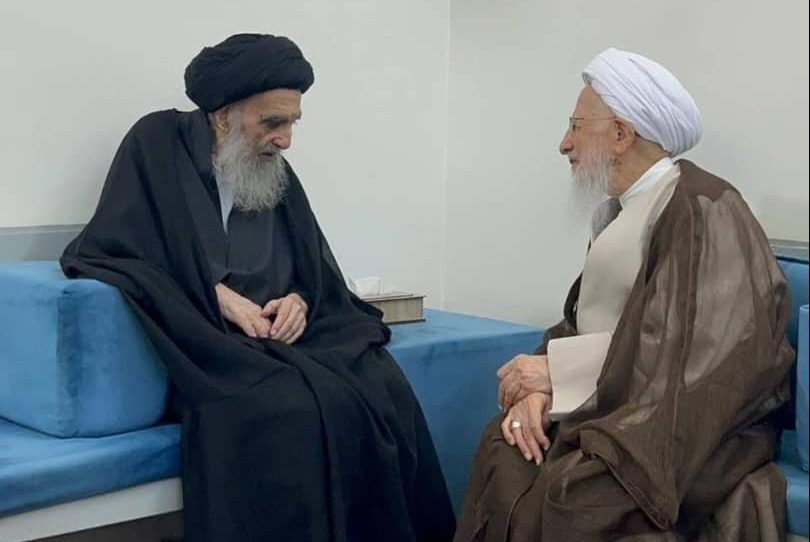
The Grand Ayatollah Sistani & the Grand Ayatollah Javadi Amoli Met in Najaf Ashraf
ethics

The Grand Ayatollah Sistani & the Grand Ayatollah Javadi Amoli Met in Najaf Ashraf

by mustafa askari
2025-05-19
Imam Ali (AS) Did Not Compromise on Unethical Politics
ethics

Imam Ali (AS) Did Not Compromise on Unethical Politics

by mustafa askari
2025-05-11
UK: Reform councillors face allegations of sharing social media Islamophobic content
ethics

UK: Reform councillors face allegations of sharing social media Islamophobic content

by mustafa askari
2025-05-11
How to be just with your children?
ethics

How to be just with your children?

by mustafa askari
2025-05-10
Next Post
Quran’s View on Materialism

Quran’s View on Materialism

Leave a Reply Cancel reply

Your email address will not be published. Required fields are marked *

Latest Post

10 facts about marriage in Islam

10 facts about marriage in Islam

2025-05-26
A Clear Message in Response to the Arrogance of Donald Trump

A Clear Message in Response to the Arrogance of Donald Trump

2025-05-24
The Grand Ayatollah Sistani & the Grand Ayatollah Javadi Amoli Met in Najaf Ashraf

The Grand Ayatollah Sistani & the Grand Ayatollah Javadi Amoli Met in Najaf Ashraf

2025-05-19
Imam Ali (AS) Did Not Compromise on Unethical Politics

Imam Ali (AS) Did Not Compromise on Unethical Politics

2025-05-11
UK: Reform councillors face allegations of sharing social media Islamophobic content

UK: Reform councillors face allegations of sharing social media Islamophobic content

2025-05-11
How to be just with your children?

How to be just with your children?

2025-05-10
Load More

Browse by Tags

Ahl al-Bayt (A.S.) Ahlul Bayt Al-Mahdi (AS) Allah Ashura Ayatollah Sobhani Ethics faith Fatima fiqh ghadir God History Holy Prophet Imam 'Ali Imam Ali (A.S.) Imam Husain Imams infallibles Islam Islamic Laws Islamic rules Jurisprudence Karbala Martyrdom morality Muhammad Nahj al Balaghah prayer prophet Quran Ramadan Reborn Salat Sayed Moustafa Qazwini shaistudies shia Shia Beliefs Shia Imams Shia Islam Shia Studie's World Assembly shiastudies Sin the differences between Shi’a and Sunni the story of those who converted to Shia Islam

The World Assembly of Shiite Studies was established in 2003 (1382 AH) by a group of scholars from seminaries and universities. The purpose of founding this independent academic institution was to introduce the school of Shi‘ism and defend its legitimacy through education, research, translation and publication, communications, and Islamic promotion. This center has continued its mission with strength and determination and envisions a bright future ahead.

Address: Qom, 45-Meter Ammar Yaser Boulevard, between Alley 4 and 6, World Assembly of Shiite Studies, Secretariat of Religious Scholars

Phone: +982537713773

Fax: +982537713774

All rights of the website are reserved and belong to the World Assembly of Shiite Studies.

Are you sure want to unlock this post?
Unlock left : 0
Are you sure want to cancel subscription?