• Home
  • Bank of Subjects of Articles
    • Bibliography
    • Characters
    • Culture and art
    • Economics
    • Educational sciences
    • ethics
    • Geography of Islamic world
    • History
    • Islamic jurisprudence and principles
    • Kalam (Islamic scholastic theology)
    • Mahdism
    • Philosophy and logic
    • Political science
    • pray and pilgrimage
    • Prophet and Ahl-al bayt
  • Islamic Teachings
  • quran
  • The Infallibles
  • Shia Beliefs
  • Morality
  • Events
    • Media Reflection
    • Muharram
    • News of Shia World
    • News of Worldly Assembly for Shia Studies
  • Home
  • Bank of Subjects of Articles
    • Bibliography
    • Characters
    • Culture and art
    • Economics
    • Educational sciences
    • ethics
    • Geography of Islamic world
    • History
    • Islamic jurisprudence and principles
    • Kalam (Islamic scholastic theology)
    • Mahdism
    • Philosophy and logic
    • Political science
    • pray and pilgrimage
    • Prophet and Ahl-al bayt
  • Islamic Teachings
  • quran
  • The Infallibles
  • Shia Beliefs
  • Morality
  • Events
    • Media Reflection
    • Muharram
    • News of Shia World
    • News of Worldly Assembly for Shia Studies
Home Morality

Hazrat Ibrahim and Tough Divine Tests

by mustafa askari
2022-10-26
in Morality
0
Hazrat Ibrahim and Tough Divine Tests
0
SHARES
57
VIEWS
Share on FacebookShare on Twitter
 It is a divine tradition that God tests his servants and these tests are sometimes easy and sometimes difficult. No one else could withstand the tests that God took from Hazrat Ibrahim (AS).


Hazrat Ibrahim (Abraham) was a descendant of Hazrat Nuh (Noah). According to narratives, he was born some 3,000 years after the creation of Hazrat Adam or some 1263 years after the birth of Hazrat Nuh.

Some historians believe Hazrat Ibrahim was born in a village named “Barzeh” near today’s Damascus and some others say he was born in Babylon which is today’s Iraq.

This divine prophet was born at the time of Nimrod’s reign. The king had ordered the killing of all newborn babies after astrologers predicted that a boy will be born and will fight idolatry. This is why Hazrat Ibrahim’s mother gave birth to him secretly and in a desert.

There are different views about Hazrat Ibrahim’s father. Some historians have named “Tarokh” or “Tarah” as his father while the Old Testament names him as “Tarah”. Verse 74 of Surah Al-An’am reads “(And remember) when Abraham said to his father Azar,” and this has led some interpreters to conclude that Azar was the father of Hazrat Ibrahim. Although some other experts say Azar was not the father but the caretaker of Hazrat Ibrahim.

There are 69 references to Hazrat Ibrahim in the Holy Quran and a Surah has been named after him. The Book talks about his prophethood and his call to monotheism. Hazrat Ibrahim has a special position as God Almighty gave him the position of Imam after he successfully went through several tests. No other prophet before him had achieved this position.

The Quran also names Hazrat Ibrahim as a role model in defending monotheism and confronting idolatry. The cooling of fire and bringing life to four dead birds are among the miracles of this divine prophet.

He, along with his son Ismail, was tasked to reconstruct the Kaaba. According to narratives, the holy site was first constructed by Hazrat Adam and Hazrat Ibrahim reconstructed it.

One of the divine tests of Hazrat Ibrahim was the one in which he was asked to sacrifice his son, Ismail. This mission was given to him during one of his dreams and he accepted it. Although the prophet had brought his son to the place of sacrifice, God accepted his offer before the act of sacrifice was made and provided him with a ram for the sacrifice instead.

According to the Quran and other religious texts, Hazrat Ibrahim is the ancestor of some prophets that came after him. His son Ishaq is the ancestor of Israelite prophets such as Yaqub, Yusuf, Dawud, Sulaiman, Ayyub, Musa, and Harun.

Furthermore, Hazrat Maryam was a descendant of Ishaq and Prophet Muhammad (PBUH) was a descendant of Ismail; this is why Hazrat Ibrahim is sometimes named “Ab ul Anbiya” or father of prophets.

Hazrat Ibrahim lived between 175 to 200 years and was buried on his farm named Hebron which is now located in the occupied Palestinian territories.

source: iqna

Tags: Ahl al-Bayt (A.S.)AllahImam 'AliIslamShia Studie's World Assembly
Previous Post

Why Are We Afraid of Death?

Next Post

Conceit Opens Way for Man’s Fall

mustafa askari

Related Posts

10 facts about marriage in Islam
ethics

10 facts about marriage in Islam

by mustafa askari
2025-05-26
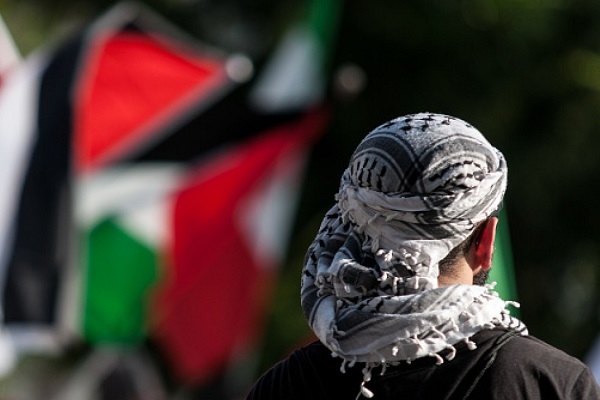
Palestinian Keffiyeh Recognized as Intangible Cultural Heritage by ICESCO: Ministry
Morality

Palestinian Keffiyeh Recognized as Intangible Cultural Heritage by ICESCO: Ministry

by mustafa askari
2024-11-25
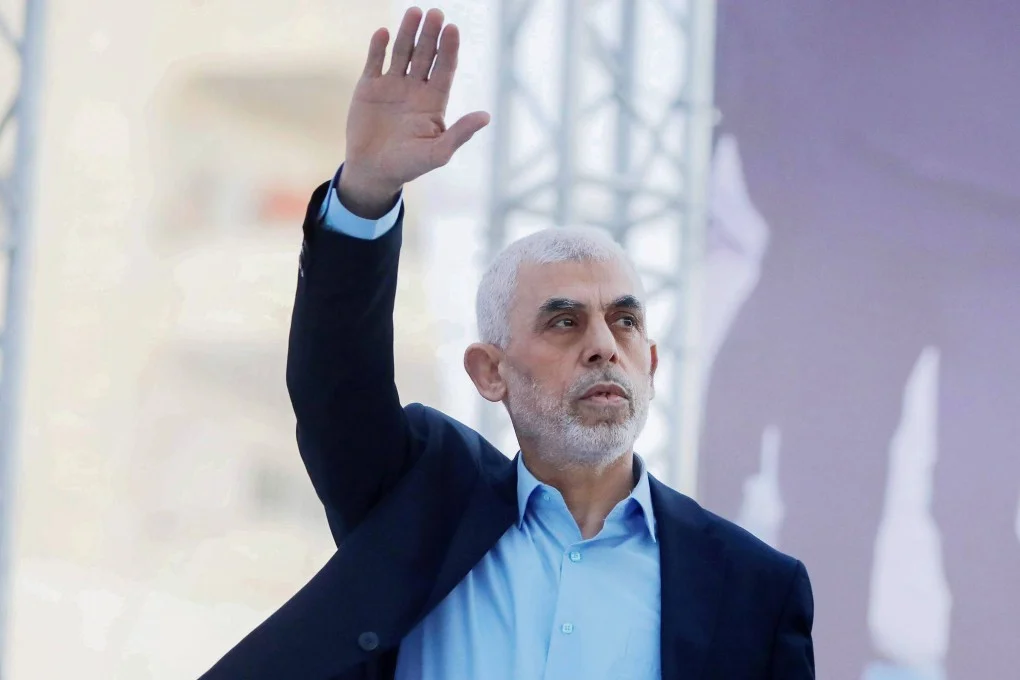
Hamas confirms leader Yahya Sinwar martyred in Israeli strike
Morality

Hamas confirms leader Yahya Sinwar martyred in Israeli strike

by mustafa askari
2024-10-20
The Three Ranks of Worship
Morality

The Three Ranks of Worship

by mustafa askari
2024-09-22
Relief that Comes with Hardship
ethics

Relief that Comes with Hardship

by mustafa askari
2023-07-11
Next Post
Conceit Opens Way for Man’s Fall

Conceit Opens Way for Man’s Fall

Leave a Reply Cancel reply

Your email address will not be published. Required fields are marked *

Latest Post

10 facts about marriage in Islam

10 facts about marriage in Islam

2025-05-26
A Clear Message in Response to the Arrogance of Donald Trump

A Clear Message in Response to the Arrogance of Donald Trump

2025-05-24
The Grand Ayatollah Sistani & the Grand Ayatollah Javadi Amoli Met in Najaf Ashraf

The Grand Ayatollah Sistani & the Grand Ayatollah Javadi Amoli Met in Najaf Ashraf

2025-05-19
Imam Ali (AS) Did Not Compromise on Unethical Politics

Imam Ali (AS) Did Not Compromise on Unethical Politics

2025-05-11
UK: Reform councillors face allegations of sharing social media Islamophobic content

UK: Reform councillors face allegations of sharing social media Islamophobic content

2025-05-11
How to be just with your children?

How to be just with your children?

2025-05-10
Load More

Browse by Tags

Ahl al-Bayt (A.S.) Ahlul Bayt Al-Mahdi (AS) Allah Ashura Ayatollah Sobhani Ethics faith Fatima fiqh ghadir God History Holy Prophet Imam 'Ali Imam Ali (A.S.) Imam Husain Imams infallibles Islam Islamic Laws Islamic rules Jurisprudence Karbala Martyrdom morality Muhammad Nahj al Balaghah prayer prophet Quran Ramadan Reborn Salat Sayed Moustafa Qazwini shaistudies shia Shia Beliefs Shia Imams Shia Islam Shia Studie's World Assembly shiastudies Sin the differences between Shi’a and Sunni the story of those who converted to Shia Islam

The World Assembly of Shiite Studies was established in 2003 (1382 AH) by a group of scholars from seminaries and universities. The purpose of founding this independent academic institution was to introduce the school of Shi‘ism and defend its legitimacy through education, research, translation and publication, communications, and Islamic promotion. This center has continued its mission with strength and determination and envisions a bright future ahead.

Address: Qom, 45-Meter Ammar Yaser Boulevard, between Alley 4 and 6, World Assembly of Shiite Studies, Secretariat of Religious Scholars

Phone: +982537713773

Fax: +982537713774

All rights of the website are reserved and belong to the World Assembly of Shiite Studies.

Are you sure want to unlock this post?
Unlock left : 0
Are you sure want to cancel subscription?