The Right of Sight: Commentary on Imam Al-Sajjad’s (AS) Treaties of Right
by Mohammad Sobhanie.
بِسْمِ اللَّهِ الرَّحْمَٰنِ الرَّحِيمِ
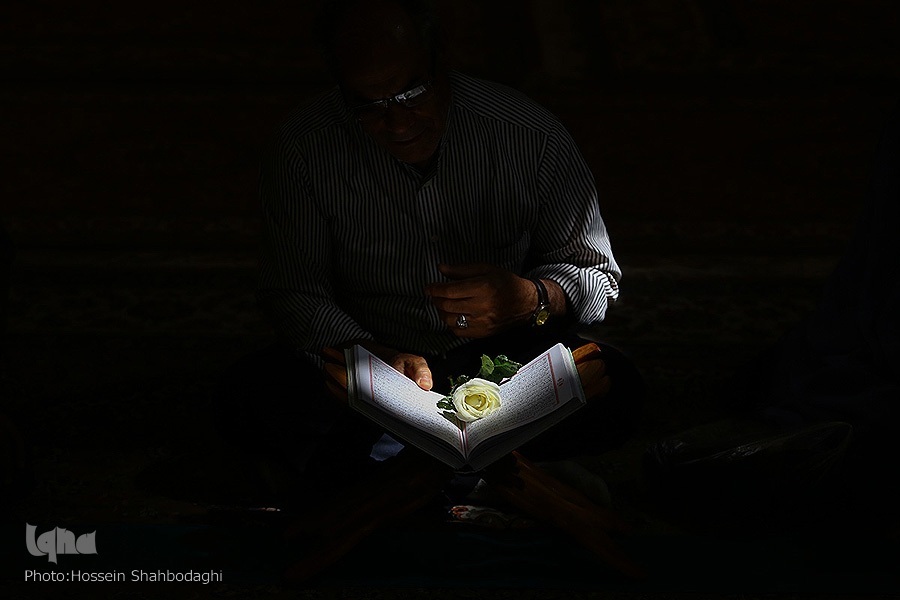
وَأَمَّا حَقُّ بَصَرِكَ فَغَضُّهُ عَمَّا لا يَحِلُّ لَكَ وتَرْكُ ابْتِذَالِهِ إلاّ لِمَوضِعِ عِبْرَةٍ تَسْتَقْبلُ بهَا بَصَرًا أَو تَسْتَفِيدُ بهَا عِلْمًا، فَإنَّ الْبَصَرَ بَابُ الِاعْتِبَارِ
The Right of Sight
And the right of sight is to close it on what is forbidden and avoid looking at what is inappropriate and useless. You look only at instructive places to gain either insight or acquire knowledge. Indeed, sight is the gateway to reflection.

Commentary:
The sight, like the faculty of hearing, is one of the tools of cognition. A large part of human consciousness is through observation and seeing. Therefore, verse 16:17 (An-Nahl) says, “And Allah has extracted you from the wombs of your mothers not knowing a thing, and He made for you hearing and vision and intellect that perhaps you would be grateful.” The verse emphasizes that we should be grateful for the blessings of hearing, vision, and intellect. The following describes how we can thank Allah (SWT) for these blessings:
First, we must praise Allah (SWT) for bestowing on us His infinite favors, including powers of cognition. Second, we must properly use the divine blessings of life, including the gift of sight. Imam Sajjad (AS) states that the correct use of our eyes is as follows:
1.Close your eyes to what is not lawful or vulgar and useless.
2.Look at instructive places to either gain insight and awakening or acquire knowledge.
In the end, Imam (AS) says: “Sight is the gate of reflection” because seeing affects our minds more than hearing and hearing. For instance, seeing a battle played on a movie screen has a more profound effect on our minds than listening and hearing. Hence, verse 16:36 (An-Nahl) says, “Proceed through the earth and observe how was the end of the deniers (of the truth).”
During a visit to the pyramids of Egypt, the famous Iranian poet named Sadegh Sarmad wrote a poem that manifested his reflection on the pyramids. The poem includes the following verses:
I went to Egypt and saw the Antiques
I saw the story you had heard with my eyes.
Proof of the power of the kings of heaven
I saw a lot of pyramids from the ground to the sky.
You saw the throne, but I saw a misfortune kingdom
You saw the rock, but I saw mockery of the time.
Forbidden Glances:
Lustful gazes are condemned in the Qur’an and the words of the Prophet (SAWA) and Ahlul-Bayt (AS). Imam Sadeq (AS) said, “A lustful look is like a poisonous dart from the darts of Satan. How many lustful looks have caused long-lasting regret.” [1] See Appendix_2 for the Arabic text.
Looking into other people’s personal lives to weaponize their faults, mistakes, and weaknesses so it can be used as leverage against them is forbidden in Islam. Imam Sajjad (AS) said: “This flaw is enough for a man not to see his error but try to find the fault of others.”[2] See Appendix_3 for the Arabic text.
A proverb says, “O blessed is the eye that learns a lesson.” On this occasion, we quote the following story:
Moutawakel Abbasi arranged a festivity involving the drinking of wine and forcibly brought Imam Hadi (AS) to that gathering. He offered wine to the Imam. The Imam (AS) said: My blood and flesh never get mixed with intoxicating filth. Moutawakel said: Then recite a poem for me! The Imam stated that he had not memorized many poems. Moutawakel insisted, and the Imam recited a few verses for him. The translation of the poem is as follows:
They lived on the palaces’ peaks and were protected by their guards. But their castles could not avail them after a time. They fell from their strong castles in which they lived with honor and landed in the ditches of their graves; How evil a place they descended. After burying them, a caller shouted, “Where did their crowns, ornaments, and bracelets go?” What happened to the lush, pampered faces? They were forgotten and lost. A call came from the grave, responding that the faces had become homes for worms; they were busy eating for a long time, but their dawn came, and they became eaten themselves.[3]
When Moutawakel heard this poem, he put down his cup of wine and freed the Imam. However, he did not gain any benefits from this lesson. See Appendix_4 for the Arabic text.
Acknowledgment:
The text is based on “Commentary on Imam al-Sajjad’s (AS) Treaties of Right” by Grand Ayatollah Jafar Sobhani.
Appendix_1
Verses of the Quran cited in the text
وَاللَّهُ أَخْرَجَكُم مِّن بُطُونِ أُمَّهَاتِكُمْ لَا تَعْلَمُونَ شَيْئًا وَجَعَلَ لَكُمُ السَّمْعَ وَالْأَبْصَارَ وَالْأَفْئِدَةَ ۙ لَعَلَّكُمْ تَشْكُرُونَ ﴿٧٨﴾
16:78 And Allah has extracted you from the wombs of your mothers not knowing a thing, and He made for you hearing and vision and intellect that perhaps you would be grateful.
وَلَقَدْ بَعَثْنَا فِي كُلِّ أُمَّةٍ رَّسُولًا أَنِ اعْبُدُوا اللَّهَ وَاجْتَنِبُوا الطَّاغُوتَ ۖ فَمِنْهُم مَّنْ هَدَى اللَّهُ وَمِنْهُم مَّنْ حَقَّتْ عَلَيْهِ الضَّلَالَةُ ۚ فَسِيرُوا فِي الْأَرْضِ فَانظُرُوا كَيْفَ كَانَ عَاقِبَةُ الْمُكَذِّبِينَ ﴿٣٦﴾
16:36 And We certainly sent into every nation a messenger, (saying), “Worship Allah and avoid Taghut.” And among them were those whom Allah guided, and among them were those upon whom error was (deservedly) decreed. So proceed through the earth and observe how was the end of the deniers.
Appendix_2:
https://lib.eshia.ir/11024/14/138
عن أبي عبد الله عليه السلام قَالَ: سَمِعْتُهُ يَقُولُ: النَّظَرُ سَهْمٌ مِنْ سِهَامِ إِبْلِيسَ مَسْمُومٌ، وكَمْ مِنْ نَظْرَةٍ أَوْرَثَتْ حَسْرَةً طَوِيلَةً.
Imam Sadeq (AS) said, “A lustful look is like a poisonous dart from the darts of Satan. How many lustful looks have caused long-lasting regret.”
Appendix_3
الكافي – الشيخ الكليني – ج ٢ – الصفحة ٤٦٠ (shiaonlinelibrary.com)
عن أبي حمزة قال: سمعت علي بن الحسين (عليهما السلام) يقول: قال رسول الله (صلى الله عليه وآله): کَفی بِالمَرءِ عَیباً اَن یَنظُرَ فی عُیوبِ غَیرِه ما یَعمی عَلَیهِ مِن عَیبِ نَفسِهِ وأن يؤذي جليسه بما لا يعنيه.
This flaw is enough for a man not to see his error but try to find the fault of others and annoy his companion with useless things.
Appendix_4
الامام علي الهادي عليه السلام و المتوكل العباسي | مركز الإشعاع الإسلامي (islam4u.com)
بَاتُوا عَلَى قُلَلِ الْأَجْبَالِ تَحْرُسُهُمْ *** غُلْبُ الرِّجَالِ فَلَمْ تَنْفَعْهُمُ الْقُلَلُ
وَ اسْتَنْزَلُوا بَعْدَ عِزٍّ مِنْ مَعَاقِلِهِمْ *** وَ اسْكِنُوا حُفَراً يَا بِئْسَمَا نَزَلُوا
نَادَاهُمْ صَارِخٌ مِنْ بَعْدِ دَفْنِهِمْ *** أَيْنَ الْأَسَاوِرُ وَ التِّيجَانُ وَ الْحُلَلُ
أَيْنَ الْوُجُوهُ الَّتِي كَانَتْ مُنْعِمَةً *** مِنْ دُونِهَا تُضْرَبُ الْأَسْتَارُ وَ الْكِلَلُ
فَأَفْصَحَ الْقَبْرُ عَنْهُمْ حِينَ سَاءَلَهُمْ *** تِلْكَ الْوُجُوهُ عَلَيْهَا الدُّودُ تَقْتَتِلُ
قَدْ طَالَ مَا أَكَلُوا دَهْراً وَ قَدْ شَرِبُوا *** وَ أَصْبَحُوا الْيَوْمَ بَعْدَ الْأَكْلِ قَدْ أُكِلُوا
Notes:
[1] Wasa’il Al-Shia, Shaykh al-Hurr al-Amili. Vol.14, Chapter 104, Hadith #1
[2] The Book of Al-Kafi, Vol.2, P.460
[3] Muruj Al-dhahab wa-ma adin Al-jawhar, by al-Masudi, Vol. 4,P. 11, Beirut: Dar Al-Andalus
source:shafaqna