• Home
  • Bank of Subjects of Articles
    • Bibliography
    • Characters
    • Culture and art
    • Economics
    • Educational sciences
    • ethics
    • Geography of Islamic world
    • History
    • Islamic jurisprudence and principles
    • Kalam (Islamic scholastic theology)
    • Mahdism
    • Philosophy and logic
    • Political science
    • pray and pilgrimage
    • Prophet and Ahl-al bayt
  • Islamic Teachings
  • quran
  • The Infallibles
  • Shia Beliefs
  • Morality
  • Events
    • Media Reflection
    • Muharram
    • News of Shia World
    • News of Worldly Assembly for Shia Studies
  • Home
  • Bank of Subjects of Articles
    • Bibliography
    • Characters
    • Culture and art
    • Economics
    • Educational sciences
    • ethics
    • Geography of Islamic world
    • History
    • Islamic jurisprudence and principles
    • Kalam (Islamic scholastic theology)
    • Mahdism
    • Philosophy and logic
    • Political science
    • pray and pilgrimage
    • Prophet and Ahl-al bayt
  • Islamic Teachings
  • quran
  • The Infallibles
  • Shia Beliefs
  • Morality
  • Events
    • Media Reflection
    • Muharram
    • News of Shia World
    • News of Worldly Assembly for Shia Studies
Home Bank of Subjects of Articles

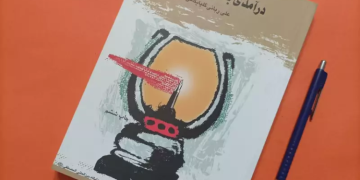
Al-Gharat

by شهاب الدین مجتهدی
2020-03-07
in Bank of Subjects of Articles, Characters
0
Al-Gharat
0
SHARES
14
VIEWS
Share on FacebookShare on Twitter

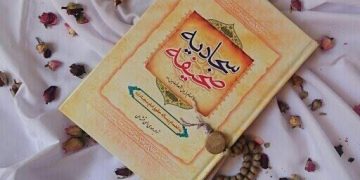
Al-Gharat

Written by ‘Abū Ishāq, Ibrāhīm son of Muhammad son of Sa’eed son of Hilāl Thaqafī Kūfī Isfahānī’ (died in 283 Hegira)

Motive:
The writer named the book Al-Ghārāt (Plunders), because he wanted to remind the invasions and plunders made by Mu’āwīyah against the territory of the ‘Commander of the Faithful, Imām Ali (A.S.)’, after the battle known as ‘Nahrawān’. These types of compilations have been common among historians and compilers at that time.

About the Biography of His Holiness Imām Alī (A.S.):
Although the main objective of compilation of this book has been reminding of plunders and pillages, but, since the compiler has been a competent and knowledgeable writer and an expert in composition, he has made lots of annotations, which are much more valuable than the main subject itself. These annotations are made in a way that the reader would take better advantage from them comparing to the main subject. Most of these annotations, which are stated as a preface, introduction, or background for going through the main subject, are planning to present a clear picture of the dominating conditions of the era of Imām Alī (A.S.) as well as Imām’s way of life and his administrative, ethical, and political approaches, which are really a great lesson for redemption of mankind. All these factors try to incite reader’s awareness and meditation towards the main subject of the book, and to make him understand that the leading motives for all plunders and pillages, result from ignorance, lack of knowledge, violating human rights, annihilation of justice, resorting to worldly desires, and secularism of a nasty group. It would then be easy for the reader to distinguish a borderline between the oppressed and the oppressor, and to recognize the right way from the wrong.

Contents:
We can refer to some significant subjects of the book as follows: the oration of Imām Alī (A.S.) after ‘Nahrawān’ battle, Imām Alī (A.S.)’s attitude towards the treasury house and public properties, His personal behavior, His agents and delegates, governance of Qays son of Sa’d over Egypt, governance of Muhammad son of Abūbakr over Egypt, martyrdom of Mālik-e Ashtar, martyrdom of Muhammad son of Abūbakr, etc.

Value of the Book:
Since ancient times this book has been used by the great Ulamā of Islam, and outstanding scholars of both Shi’a and Sunni have narrated its subjects in their own books. ‘Ibn-e Abil-Hadīd Mo’tazelī Baghdādī’, giving the first priority to Al-Ghārāt as a source book, has narrated lots of its stories and narrations in his book ‘Sharhe Nahj-ul-Balāghah’ (explication of Nahj-ul-Balāghah).

Viewpoints of Shi’a Ulamā:
According to Allāmah Majlesī, Sheikh Hurr-e Āmelī, Muhaddith-e Nūrī, and a number of other luminaries of Shi’a Ulamā (may Allah vent His blessings upon them all), Al-Ghārāt is accepted and trusted by the righteous sect of Imāmiyyah (Shi’a) unanimously and its narrations have been a dependable source for obtaining pure precepts of Islam. Despite paying this much attention along the centuries, unfortunately all manuscripts of this book have been vanished during the passage of time.

Ibn-e Abil-Hadīd’s viewpoint:
‘Ibn-e Abil-Hadīd Mo’tazelī Baghdādī’, has narrated most of the subjects and narrations of AL-Ghārāt in his book ‘Sharhe Nahj-ul-Balāghah’. In some cases he has replaced difficult words with the easy ones, and in some other cases he has commented on some of its subjects.

Allāmah Majlesī’s trust in Al-Ghārāt:
Allāmah Mawlā Muhammad Bāqir Majlesī, has quoted all subjects of Al-Ghārāt in his valuable compilation ‘Bihār-ul-Anwār’ without any alteration in the original text, unless in the summarized cases; even in such cases Allāmah Majlesī has explicitly pointed to summarization, and interpreted them where necessary.
Due to the fact that Allāmah Majlesī has only narrated from fully reliable sources, it is then cleared that he has had an absolute confidence in the whole text of Al-Ghārāt.

shiastudies.com

Tags: Al-Gharatshaistudies
Previous Post

Best of Recitals

Next Post

What is Taharah? And what is Ismah?

شهاب الدین مجتهدی

Related Posts

10 facts about marriage in Islam
ethics

10 facts about marriage in Islam

by mustafa askari
2025-05-26
The Grand Ayatollah Sistani & the Grand Ayatollah Javadi Amoli Met in Najaf Ashraf
ethics

The Grand Ayatollah Sistani & the Grand Ayatollah Javadi Amoli Met in Najaf Ashraf

by mustafa askari
2025-05-19
Imam Ali (AS) Did Not Compromise on Unethical Politics
ethics

Imam Ali (AS) Did Not Compromise on Unethical Politics

by mustafa askari
2025-05-11
UK: Reform councillors face allegations of sharing social media Islamophobic content
ethics

UK: Reform councillors face allegations of sharing social media Islamophobic content

by mustafa askari
2025-05-11
How to be just with your children?
ethics

How to be just with your children?

by mustafa askari
2025-05-10
Next Post
What is Taharah? And what is Ismah?

What is Taharah? And what is Ismah?

Leave a Reply Cancel reply

Your email address will not be published. Required fields are marked *

Latest Post

10 facts about marriage in Islam

10 facts about marriage in Islam

2025-05-26
A Clear Message in Response to the Arrogance of Donald Trump

A Clear Message in Response to the Arrogance of Donald Trump

2025-05-24
The Grand Ayatollah Sistani & the Grand Ayatollah Javadi Amoli Met in Najaf Ashraf

The Grand Ayatollah Sistani & the Grand Ayatollah Javadi Amoli Met in Najaf Ashraf

2025-05-19
Imam Ali (AS) Did Not Compromise on Unethical Politics

Imam Ali (AS) Did Not Compromise on Unethical Politics

2025-05-11
UK: Reform councillors face allegations of sharing social media Islamophobic content

UK: Reform councillors face allegations of sharing social media Islamophobic content

2025-05-11
How to be just with your children?

How to be just with your children?

2025-05-10
Load More

Browse by Tags

Ahl al-Bayt (A.S.) Ahlul Bayt Al-Mahdi (AS) Allah Ashura Ayatollah Sobhani Ethics faith Fatima fiqh ghadir God History Holy Prophet Imam 'Ali Imam Ali (A.S.) Imam Husain Imams infallibles Islam Islamic Laws Islamic rules Jurisprudence Karbala Martyrdom morality Muhammad Nahj al Balaghah prayer prophet Quran Ramadan Reborn Salat Sayed Moustafa Qazwini shaistudies shia Shia Beliefs Shia Imams Shia Islam Shia Studie's World Assembly shiastudies Sin the differences between Shi’a and Sunni the story of those who converted to Shia Islam

The World Assembly of Shiite Studies was established in 2003 (1382 AH) by a group of scholars from seminaries and universities. The purpose of founding this independent academic institution was to introduce the school of Shi‘ism and defend its legitimacy through education, research, translation and publication, communications, and Islamic promotion. This center has continued its mission with strength and determination and envisions a bright future ahead.

Address: Qom, 45-Meter Ammar Yaser Boulevard, between Alley 4 and 6, World Assembly of Shiite Studies, Secretariat of Religious Scholars

Phone: +982537713773

Fax: +982537713774

All rights of the website are reserved and belong to the World Assembly of Shiite Studies.

Are you sure want to unlock this post?
Unlock left : 0
Are you sure want to cancel subscription?