• Home
  • Bank of Subjects of Articles
    • Bibliography
    • Characters
    • Culture and art
    • Economics
    • Educational sciences
    • ethics
    • Geography of Islamic world
    • History
    • Islamic jurisprudence and principles
    • Kalam (Islamic scholastic theology)
    • Mahdism
    • Philosophy and logic
    • Political science
    • pray and pilgrimage
    • Prophet and Ahl-al bayt
  • Islamic Teachings
  • quran
  • The Infallibles
  • Shia Beliefs
  • Morality
  • Events
    • Media Reflection
    • Muharram
    • News of Shia World
    • News of Worldly Assembly for Shia Studies
  • Home
  • Bank of Subjects of Articles
    • Bibliography
    • Characters
    • Culture and art
    • Economics
    • Educational sciences
    • ethics
    • Geography of Islamic world
    • History
    • Islamic jurisprudence and principles
    • Kalam (Islamic scholastic theology)
    • Mahdism
    • Philosophy and logic
    • Political science
    • pray and pilgrimage
    • Prophet and Ahl-al bayt
  • Islamic Teachings
  • quran
  • The Infallibles
  • Shia Beliefs
  • Morality
  • Events
    • Media Reflection
    • Muharram
    • News of Shia World
    • News of Worldly Assembly for Shia Studies
Home Bank of Subjects of Articles Islamic jurisprudence and principles

What is the Philosophy of Bathing the Dead Body?

by javad
2021-12-01
in Islamic jurisprudence and principles
0
0
SHARES
19
VIEWS
Share on FacebookShare on Twitter

What is the Philosophy of Bathing the Dead Body?

What is the Philosophy of Bathing the Dead Body? Question: What is the philosophy behind bathing the dead body and the bath for one who has touched the dead body? What is the reason that when a person dies he should be given a bath in a special way and before being bathed if a person touches the dead body he also has to take a ritual bath (Ghusl)?

Answer: As we have told many times the logics behind some laws are not clear to us, but due to the passage of time and due to intellectual advance of mankind and progress of knowledge some logics are cleared to us and it is possible that in future as knowledge increases the Islamic laws will become clearer to us.
As for the point raised in this question: We can say that the necessity of ritual bath to the dead body, one of its reasons could be that as all communities respect the living people the same respect is accorded to their dead.
Although Islam has removed all superstitions about the dead from the past people and Ummah, it accords respect to the dead by bathing, shrouding and burial. In this way bathing the dead body is a kind of respect.
In other words Islam gives importance to the extraordinary value of a person and it has doubled the value of the person due to its different resources and sayings, and this status remains for a person after his death also and according to Islam no one can insult the dead body of a Muslim, so much so that no one should even insult the grave of a Muslim.
To give bath, shrouding and burying a dead body is the sign of a respect for him, such a respect in which there is no superstition.
According to Islamic point of view, death is not the complete end of the life of a person but it is a new world, new life, and it is one of the doors to reach the merciful Allah. That is why He orders to clean the dead body and make him wear a simple and clean cloth and bury him under the Earth, so that this action becomes the sign of the eternity of the real life and a sign of continuity. This is the philosophy of the ritual bath (Ghusl-e-Mayyit).
Now the bath of a person who touches the dead body: Before we give its real answer, it is necessary to mention some points:
(1) When a person dies, there is sadness and depression in the near and dear ones and they cannot see their relations cut off from them suddenly. The relatives who have love and attachment to the dead person, after his death also they like to kiss him and take him on their lap.
(2) This point is also clear that due to illness or due to the end of defensive power, different types of poison are released, generally the dead body is mixed with different types of bacteria and to go near the dead body has some effects on the health of a person.
(3) Islam has never waged a war against emotions and feelings of a person and never turned a nelson\’s eye to a person\’s natural movements. Islam has guided towards a special way.
After pondering on the above points we can conclude the following:
To save all the people especially all the relatives from different types of bacteria and diseases, which can penetrate to the people from the dead body and side by side if Islam prohibits to touch the dead body, it will hurt the feelings of the relatives, Islam has put a condition on them, it means that those who come in contact of a dead body, should take a bath.
There is no doubt that this condition restricts the living to come in direct contact of the dead body, at the same time it is not hurting the sentiments of the people. And due to this religious condition, if people touch the dead body then perform the bath by which the possible bacteria will be removed, which is a simple and best way.
It is possible that some people may object that due to the touching of the body, Ghusl becomes wajib and its purpose is to stop diseases and impurities, then why after giving the Ghusl to the dead body, Ghusl mas-e-mayyat, does not become wajib? But this objection seem to be very baseless and its answer is crystal clear, because the dead body is given bath with water mixed with berry leaves and then with water mixed with camphor and finally with plain water, it is a way to clean the dead body from its contagious effects and due to this the dangers which were there before giving the bath are not present any more. After sometime the dead body is buried and there is no possibility of new bacteria coming into existence and penetrating into the human body.
Whatever is said about the bath to the dead body and bath for touching the dead body is one side of the philosophy. It is possible there may be other points also, which at present are invisible to us.

Know the Soul

Tags: AllahDead BodyIslamJurisprudencePhilosophyshiaShia Studie's World Assembly
Previous Post

Simultaneous Performance of Salat

Next Post

Imam Ali’s Letter To the collectors of taxes and revenues

javad

Related Posts

Waqf; One of Best Ways to Finance Propagation of Religion
Islamic jurisprudence and principles

Waqf; One of Best Ways to Finance Propagation of Religion

by mustafa askari
2022-10-02
Hajj Promoting Coexistence, Peace: Ayatollah Khamenei
Islamic jurisprudence and principles

Hajj Promoting Coexistence, Peace: Ayatollah Khamenei

by mustafa askari
2022-06-09
Eating Unlawful Food and Satanic Temptation
Islamic jurisprudence and principles

Eating Unlawful Food and Satanic Temptation

by mustafa askari
2022-06-07
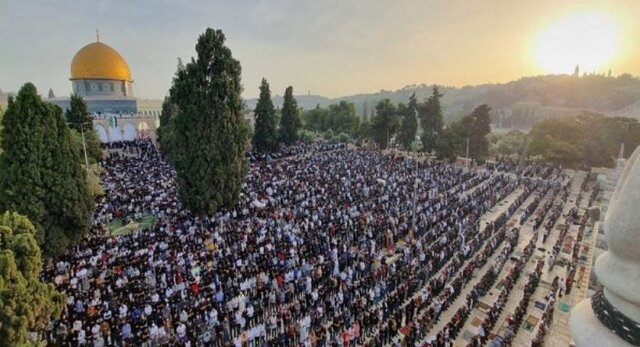
Thousands prayed at Al-Aqsa Mosque despite obstacles from Israeli regime
Islamic jurisprudence and principles

Thousands prayed at Al-Aqsa Mosque despite obstacles from Israeli regime

by mustafa askari
2022-05-07
AAMAL FOR THE DAY OF EID UL FITR
Islamic jurisprudence and principles

AAMAL FOR THE DAY OF EID UL FITR

by mustafa askari
2022-05-02
Next Post

Imam Ali's Letter To the collectors of taxes and revenues

Leave a Reply Cancel reply

Your email address will not be published. Required fields are marked *

Latest Post

10 facts about marriage in Islam

10 facts about marriage in Islam

2025-05-26
A Clear Message in Response to the Arrogance of Donald Trump

A Clear Message in Response to the Arrogance of Donald Trump

2025-05-24
The Grand Ayatollah Sistani & the Grand Ayatollah Javadi Amoli Met in Najaf Ashraf

The Grand Ayatollah Sistani & the Grand Ayatollah Javadi Amoli Met in Najaf Ashraf

2025-05-19
Imam Ali (AS) Did Not Compromise on Unethical Politics

Imam Ali (AS) Did Not Compromise on Unethical Politics

2025-05-11
UK: Reform councillors face allegations of sharing social media Islamophobic content

UK: Reform councillors face allegations of sharing social media Islamophobic content

2025-05-11
How to be just with your children?

How to be just with your children?

2025-05-10
Load More

Browse by Tags

Ahl al-Bayt (A.S.) Ahlul Bayt Al-Mahdi (AS) Allah Ashura Ayatollah Sobhani Ethics faith Fatima fiqh ghadir God History Holy Prophet Imam 'Ali Imam Ali (A.S.) Imam Husain Imams infallibles Islam Islamic Laws Islamic rules Jurisprudence Karbala Martyrdom morality Muhammad Nahj al Balaghah prayer prophet Quran Ramadan Reborn Salat Sayed Moustafa Qazwini shaistudies shia Shia Beliefs Shia Imams Shia Islam Shia Studie's World Assembly shiastudies Sin the differences between Shi’a and Sunni the story of those who converted to Shia Islam

The World Assembly of Shiite Studies was established in 2003 (1382 AH) by a group of scholars from seminaries and universities. The purpose of founding this independent academic institution was to introduce the school of Shi‘ism and defend its legitimacy through education, research, translation and publication, communications, and Islamic promotion. This center has continued its mission with strength and determination and envisions a bright future ahead.

Address: Qom, 45-Meter Ammar Yaser Boulevard, between Alley 4 and 6, World Assembly of Shiite Studies, Secretariat of Religious Scholars

Phone: +982537713773

Fax: +982537713774

All rights of the website are reserved and belong to the World Assembly of Shiite Studies.

Are you sure want to unlock this post?
Unlock left : 0
Are you sure want to cancel subscription?