• Home
  • Bank of Subjects of Articles
    • Bibliography
    • Characters
    • Culture and art
    • Economics
    • Educational sciences
    • ethics
    • Geography of Islamic world
    • History
    • Islamic jurisprudence and principles
    • Kalam (Islamic scholastic theology)
    • Mahdism
    • Philosophy and logic
    • Political science
    • pray and pilgrimage
    • Prophet and Ahl-al bayt
  • Islamic Teachings
  • quran
  • The Infallibles
  • Shia Beliefs
  • Morality
  • Events
    • Media Reflection
    • Muharram
    • News of Shia World
    • News of Worldly Assembly for Shia Studies
  • Home
  • Bank of Subjects of Articles
    • Bibliography
    • Characters
    • Culture and art
    • Economics
    • Educational sciences
    • ethics
    • Geography of Islamic world
    • History
    • Islamic jurisprudence and principles
    • Kalam (Islamic scholastic theology)
    • Mahdism
    • Philosophy and logic
    • Political science
    • pray and pilgrimage
    • Prophet and Ahl-al bayt
  • Islamic Teachings
  • quran
  • The Infallibles
  • Shia Beliefs
  • Morality
  • Events
    • Media Reflection
    • Muharram
    • News of Shia World
    • News of Worldly Assembly for Shia Studies
Home Bank of Subjects of Articles Islamic jurisprudence and principles

What Breaks the Fast

by javad
2021-09-30
in Islamic jurisprudence and principles
0
0
SHARES
47
VIEWS
Share on FacebookShare on Twitter

What Breaks the Fast

What Breaks the Fast: Any of the following invalidates the fast: eating or drinking, sexual intercourse, telling lies about Allah and/or His Messenger (S), immersing the entire head in water, deliberate inhalation of smoke, remaining in the state of janabah (uncleanliness due to seminal discharge) till dawn, masturbating, taking injections whereby nourishing liquids reach the stomach, deliberate vomiting, intentionally passing an object through the throat or any other natural opening… Travelling, that is, going from your place of residence to a place situated at least eight farasikh (about twenty-seven and a half miles, or fifty miles according to some scholars) requires you to break your fast and to make up for it later on in equal number of days missed.

Deliberately breaking the fast requires a kaffara (atonement) which is either the feeding of sixty poor persons, or fasting for sixty consecutive days for each day missed. If the fast is broken accidentally, qaza (making up) suffices. Every adult and mentally sound male or female Muslim is required to fast starting twenty minutes before dawn and till sunset.

Al-Majlisi, on p. 352, Vol. 94, of his Bihar al-Anwar, cites a number of Shi’a scholars saying that they heard Imam Abu Ja’far al-Baqir (as) saying, “Telling lies breaks the fast, and so does a second look at another woman, in addition to oppression, be it little or much.”

One who misses fasting a number of days during the month of Ramadhan due to travelling, forgetfulness, ignorance of the fact that those days were the days of the month of Ramadhan, sickness, menstruation or childbirth, are required to make up in equal number of days missed. Those who suffered from temporary insanity or who faint before having the chance to make the intention to fast, those who are afflicted with an ailment which causes them to be constantly thirsty and have no hope of healing, or because of old age that renders them feeble, do not have to make it up, nor do they have to offer kaffara, atonement.

One who falls sick during the month of Ramadhan and a year passes before being able to fully recover is, of course, not required to make up but to pay the compensation which is providing the needy and deserving poor, or providing one such person, with three quarters of a kilogram of food for each day missed. If one\’s father dies owing either prayers or fast, his oldest son is required to make up on his father\’s behalf, but a son is not required to make up on behalf of his deceased mother.

Fast is not accepted without the five daily prayers. Exempted from the fast are children, the mentally retarded, and old men and women who find it too hard to observe. If they can fast in other months to make up, it will be best for them. If they cannot make up, then they do not have to offer kaffara either. Women during their menstrual period are not only exempted from fasting, they are forbidden from fasting, but they will have to make it up later on. As soon as their period ends, they must take their ghusul (ceremonial bath) and resume the fast. Women breast-feeding their infants and whose natural milk is not sufficient, as well as women during their prenatal period may break their fast if it harms their infants. They, too, have to make up for the fast.

maintenance

Tags: AhkamFastIslamshiaShia Studie's World Assembly
Previous Post

Jabir ibn Abdollah; The first pilgrim of Karbala

Next Post

Optional Fast

javad

Related Posts

Waqf; One of Best Ways to Finance Propagation of Religion
Islamic jurisprudence and principles

Waqf; One of Best Ways to Finance Propagation of Religion

by mustafa askari
2022-10-02
Hajj Promoting Coexistence, Peace: Ayatollah Khamenei
Islamic jurisprudence and principles

Hajj Promoting Coexistence, Peace: Ayatollah Khamenei

by mustafa askari
2022-06-09
Eating Unlawful Food and Satanic Temptation
Islamic jurisprudence and principles

Eating Unlawful Food and Satanic Temptation

by mustafa askari
2022-06-07
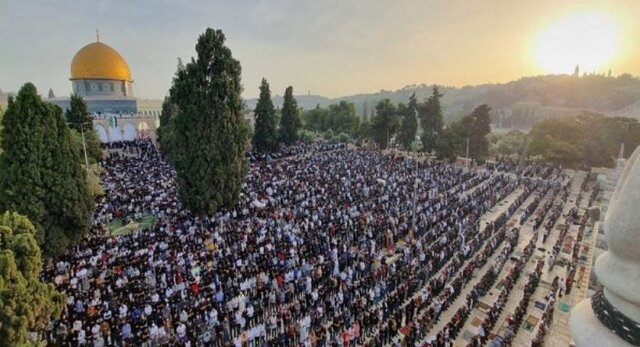
Thousands prayed at Al-Aqsa Mosque despite obstacles from Israeli regime
Islamic jurisprudence and principles

Thousands prayed at Al-Aqsa Mosque despite obstacles from Israeli regime

by mustafa askari
2022-05-07
AAMAL FOR THE DAY OF EID UL FITR
Islamic jurisprudence and principles

AAMAL FOR THE DAY OF EID UL FITR

by mustafa askari
2022-05-02
Next Post

Optional Fast

Leave a Reply Cancel reply

Your email address will not be published. Required fields are marked *

Latest Post

10 facts about marriage in Islam

10 facts about marriage in Islam

2025-05-26
A Clear Message in Response to the Arrogance of Donald Trump

A Clear Message in Response to the Arrogance of Donald Trump

2025-05-24
The Grand Ayatollah Sistani & the Grand Ayatollah Javadi Amoli Met in Najaf Ashraf

The Grand Ayatollah Sistani & the Grand Ayatollah Javadi Amoli Met in Najaf Ashraf

2025-05-19
Imam Ali (AS) Did Not Compromise on Unethical Politics

Imam Ali (AS) Did Not Compromise on Unethical Politics

2025-05-11
UK: Reform councillors face allegations of sharing social media Islamophobic content

UK: Reform councillors face allegations of sharing social media Islamophobic content

2025-05-11
How to be just with your children?

How to be just with your children?

2025-05-10
Load More

Browse by Tags

Ahl al-Bayt (A.S.) Ahlul Bayt Al-Mahdi (AS) Allah Ashura Ayatollah Sobhani Ethics faith Fatima fiqh ghadir God History Holy Prophet Imam 'Ali Imam Ali (A.S.) Imam Husain Imams infallibles Islam Islamic Laws Islamic rules Jurisprudence Karbala Martyrdom morality Muhammad Nahj al Balaghah prayer prophet Quran Ramadan Reborn Salat Sayed Moustafa Qazwini shaistudies shia Shia Beliefs Shia Imams Shia Islam Shia Studie's World Assembly shiastudies Sin the differences between Shi’a and Sunni the story of those who converted to Shia Islam

The World Assembly of Shiite Studies was established in 2003 (1382 AH) by a group of scholars from seminaries and universities. The purpose of founding this independent academic institution was to introduce the school of Shi‘ism and defend its legitimacy through education, research, translation and publication, communications, and Islamic promotion. This center has continued its mission with strength and determination and envisions a bright future ahead.

Address: Qom, 45-Meter Ammar Yaser Boulevard, between Alley 4 and 6, World Assembly of Shiite Studies, Secretariat of Religious Scholars

Phone: +982537713773

Fax: +982537713774

All rights of the website are reserved and belong to the World Assembly of Shiite Studies.

Are you sure want to unlock this post?
Unlock left : 0
Are you sure want to cancel subscription?