• Home
  • Bank of Subjects of Articles
    • Bibliography
    • Characters
    • Culture and art
    • Economics
    • Educational sciences
    • ethics
    • Geography of Islamic world
    • History
    • Islamic jurisprudence and principles
    • Kalam (Islamic scholastic theology)
    • Mahdism
    • Philosophy and logic
    • Political science
    • pray and pilgrimage
    • Prophet and Ahl-al bayt
  • Islamic Teachings
  • quran
  • The Infallibles
  • Shia Beliefs
  • Morality
  • Events
    • Media Reflection
    • Muharram
    • News of Shia World
    • News of Worldly Assembly for Shia Studies
  • Home
  • Bank of Subjects of Articles
    • Bibliography
    • Characters
    • Culture and art
    • Economics
    • Educational sciences
    • ethics
    • Geography of Islamic world
    • History
    • Islamic jurisprudence and principles
    • Kalam (Islamic scholastic theology)
    • Mahdism
    • Philosophy and logic
    • Political science
    • pray and pilgrimage
    • Prophet and Ahl-al bayt
  • Islamic Teachings
  • quran
  • The Infallibles
  • Shia Beliefs
  • Morality
  • Events
    • Media Reflection
    • Muharram
    • News of Shia World
    • News of Worldly Assembly for Shia Studies

what the theologians, the philosophers, the Sufis and the people of tradition say about the exegesis of the Quran?

by javad
2020-10-21
in Uncategorized
0
what the theologians, the philosophers, the Sufis and the people of tradition say about the exegesis of the Quran?
0
SHARES
8
VIEWS
Share on FacebookShare on Twitter

The people of tradition explained the Qur’ãn with the traditions ascribed to the companions and their disciples. They went ahead so long as there was a tradition to lead them on, and stopped when they could not find any such tradition (provided the meaning was not self-.evident). They thought it to be the only safe method, as Allãh says: . . . and those who are firmly rooted in knowledge say: “We believe in it, it is all from our Lord…” (3:7).

But they were mistaken. Allãh has not said in His Book that rational proof had no validity. How could He say so when the authenticity of the Book itself depended on rational proof. On the other hand, He has never said that the words of the companions or their disciples had any value as religious proof. How could He say so when there were such glaring discrepancies in their opinions? In short, Allãh has not called us to the sophistry which accepting and following contradictory opinions and views would entail. He has called us, instead, to meditate on the Qur’ãnic verses in order to remove any apparent discrepancy in them.

Allãh has revealed the Qur’ãn as a guidance, and has made it a light and an explanation of everything. Why should a light seek brightness from others’ light? Why should a guidance be led by others’ guidance? Why should “an explanation of everything” be explained by others’ words?

Tags: exegisesQuranrational argumentshaistudies
Previous Post

what the theologians, the philosophers, the Sufis and the people of tradition say about the exegesis of the Quran?

Next Post

what the theologians, the philosophers, the Sufis and the people of tradition say about the exegesis of the Quran?

javad

Related Posts

10 facts about marriage in Islam
ethics

10 facts about marriage in Islam

by mustafa askari
2025-05-26
A Clear Message in Response to the Arrogance of Donald Trump
Islamic Teachings

A Clear Message in Response to the Arrogance of Donald Trump

by mustafa askari
2025-05-24
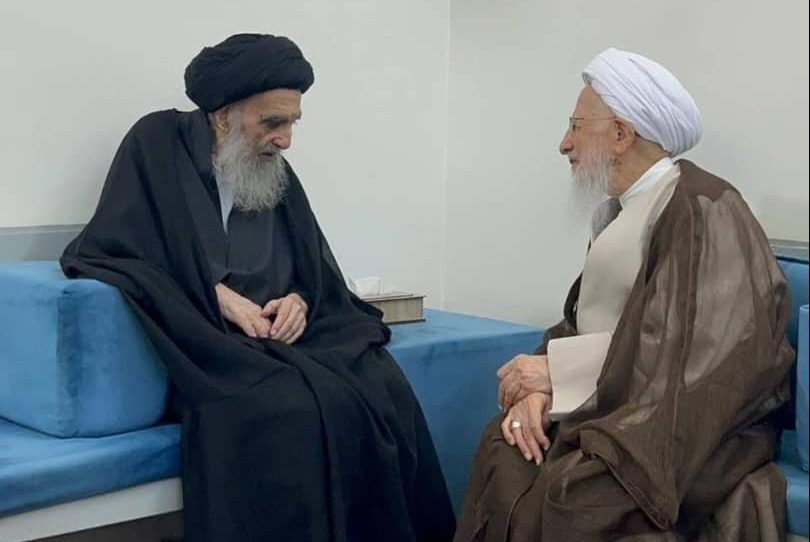
The Grand Ayatollah Sistani & the Grand Ayatollah Javadi Amoli Met in Najaf Ashraf
ethics

The Grand Ayatollah Sistani & the Grand Ayatollah Javadi Amoli Met in Najaf Ashraf

by mustafa askari
2025-05-19
Imam Ali (AS) Did Not Compromise on Unethical Politics
ethics

Imam Ali (AS) Did Not Compromise on Unethical Politics

by mustafa askari
2025-05-11
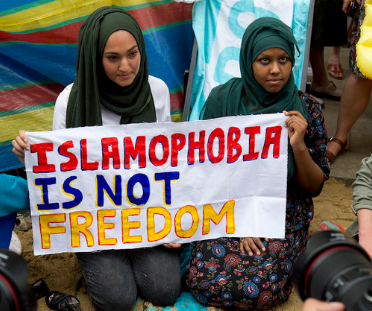
UK: Reform councillors face allegations of sharing social media Islamophobic content
ethics

UK: Reform councillors face allegations of sharing social media Islamophobic content

by mustafa askari
2025-05-11
Next Post
what the theologians, the philosophers, the Sufis and the people of tradition say about the exegesis of the Quran?

what the theologians, the philosophers, the Sufis and the people of tradition say about the exegesis of the Quran?

Leave a Reply Cancel reply

Your email address will not be published. Required fields are marked *

Latest Post

10 facts about marriage in Islam

10 facts about marriage in Islam

2025-05-26
A Clear Message in Response to the Arrogance of Donald Trump

A Clear Message in Response to the Arrogance of Donald Trump

2025-05-24
The Grand Ayatollah Sistani & the Grand Ayatollah Javadi Amoli Met in Najaf Ashraf

The Grand Ayatollah Sistani & the Grand Ayatollah Javadi Amoli Met in Najaf Ashraf

2025-05-19
Imam Ali (AS) Did Not Compromise on Unethical Politics

Imam Ali (AS) Did Not Compromise on Unethical Politics

2025-05-11
UK: Reform councillors face allegations of sharing social media Islamophobic content

UK: Reform councillors face allegations of sharing social media Islamophobic content

2025-05-11
How to be just with your children?

How to be just with your children?

2025-05-10
Load More

Browse by Tags

Ahl al-Bayt (A.S.) Ahlul Bayt Al-Mahdi (AS) Allah Ashura Ayatollah Sobhani Ethics faith Fatima fiqh ghadir God History Holy Prophet Imam 'Ali Imam Ali (A.S.) Imam Husain Imams infallibles Islam Islamic Laws Islamic rules Jurisprudence Karbala Martyrdom morality Muhammad Nahj al Balaghah prayer prophet Quran Ramadan Reborn Salat Sayed Moustafa Qazwini shaistudies shia Shia Beliefs Shia Imams Shia Islam Shia Studie's World Assembly shiastudies Sin the differences between Shi’a and Sunni the story of those who converted to Shia Islam

The World Assembly of Shiite Studies was established in 2003 (1382 AH) by a group of scholars from seminaries and universities. The purpose of founding this independent academic institution was to introduce the school of Shi‘ism and defend its legitimacy through education, research, translation and publication, communications, and Islamic promotion. This center has continued its mission with strength and determination and envisions a bright future ahead.

Address: Qom, 45-Meter Ammar Yaser Boulevard, between Alley 4 and 6, World Assembly of Shiite Studies, Secretariat of Religious Scholars

Phone: +982537713773

Fax: +982537713774

All rights of the website are reserved and belong to the World Assembly of Shiite Studies.

Are you sure want to unlock this post?
Unlock left : 0
Are you sure want to cancel subscription?