• Home
  • Bank of Subjects of Articles
    • Bibliography
    • Characters
    • Culture and art
    • Economics
    • Educational sciences
    • ethics
    • Geography of Islamic world
    • History
    • Islamic jurisprudence and principles
    • Kalam (Islamic scholastic theology)
    • Mahdism
    • Philosophy and logic
    • Political science
    • pray and pilgrimage
    • Prophet and Ahl-al bayt
  • Islamic Teachings
  • quran
  • The Infallibles
  • Shia Beliefs
  • Morality
  • Events
    • Media Reflection
    • Muharram
    • News of Shia World
    • News of Worldly Assembly for Shia Studies
  • Home
  • Bank of Subjects of Articles
    • Bibliography
    • Characters
    • Culture and art
    • Economics
    • Educational sciences
    • ethics
    • Geography of Islamic world
    • History
    • Islamic jurisprudence and principles
    • Kalam (Islamic scholastic theology)
    • Mahdism
    • Philosophy and logic
    • Political science
    • pray and pilgrimage
    • Prophet and Ahl-al bayt
  • Islamic Teachings
  • quran
  • The Infallibles
  • Shia Beliefs
  • Morality
  • Events
    • Media Reflection
    • Muharram
    • News of Shia World
    • News of Worldly Assembly for Shia Studies
Home Bank of Subjects of Articles The Quran

Quranic Criteria of Righteousness

by mustafa askari
2022-06-23
in The Quran
0
Quranic Criteria of Righteousness
0
SHARES
36
VIEWS
Share on FacebookShare on Twitter
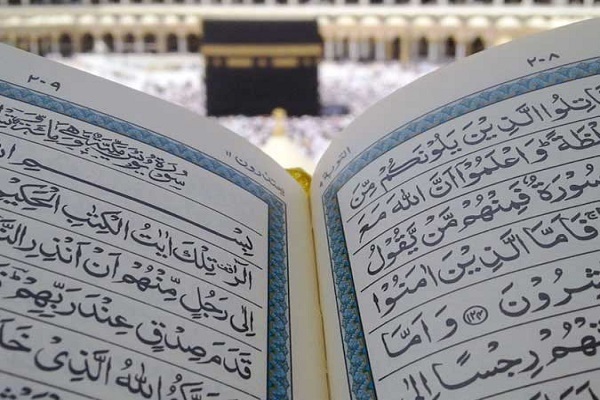
The criteria for righteousness have been mentioned in one verse of the Holy Quran and they highlight the Quran’s view on how Muslims should behave and what beliefs they should have.


Verse 177 of Surah Al-Baqarah describes righteousness and the righteous and presents the criteria of being righteous, including faith in God, the Hereafter, angels and divine books as well as Infaq (disbursement), saying prayers, paying Zakat (almsgiving), Wafa bil-Ahd (keeping one’s promise) and maintaining Taqwa (God-fearing).

This verse says, “Righteousness is not whether you face towards the east or the west. But righteousness is to believe in Allah and the Last Day, in the angels and the Book, and the Prophets, and to give wealth however cherished, to kinsmen, to the orphans, to the needy, to the destitute traveler, and to the beggars, and to ransom the slave; who establish their prayers and pay the obligatory charity; who are true to their promise when they have promised. Who are patient in misfortune and hardship and during the time of courage. Such are the truthful; such are the cautious.”

To understand the first part of this verse, learning the view of Sheikh Tabarsi (12th century Shia scholar) would be interesting. He says when the Qibla (direction toward which Muslims say prayers) changed from Al-Quds to Holy Ka’aba in Mecca, disputes arose among Muslims, Jews and Christians. The Jews said it would be better to pray toward the west whereas Christians said prayer should be said while facing the east. This verse was revealed to stresses that these issues are marginal and what matters is righteousness and doing good deeds.

According to this verse, facing the east or the west is not righteousness, but having faith in God, the Hereafter, angels and divine books is. Righteousness is in helping one’s relatives, giving alms to orphans, the destitute and others in needs and helping to free slaves. Elsewhere in this verse, saying prayers, paying Zakat, keeping one’s promise and patience in the face of hardships are also mentioned as criteria of righteousness.

In many Quran exegeses, there has been a Hadith from the Holy Prophet (PBUH) about this verse. The Prophet (PBUH) said anyone who acts upon this verse, his or her faith would be perfected. Alllameh Tabatabaei believes that while acting upon what this verse says is difficult, the verse is not for messengers of God only but also for the Infallible (AS) and the Ulil Albab. The Ulil Albab are the people of intellect and wisdom who have insight.

source:iqna
 

Tags: Ahl al-Bayt (A.S.)AllahEthicsImam 'AliIslamJurisprudenceQuran
Previous Post

Allah Will Grant the one Who Swallows His Anger

Next Post

$192 Million Allocated to Improve Socio-Economic Situation of Imams in Morocco

mustafa askari

Related Posts

Burning Will Not Make ‘Mighty’ Quran Vanish
The Quran

Burning Will Not Make ‘Mighty’ Quran Vanish

by mustafa askari
2023-07-31
The Qur’an’s Addressees
The Quran

The Qur’an’s Addressees

by mustafa askari
2023-07-17
When Will the Gates of Hell Open?
ethics

When Will the Gates of Hell Open?

by mustafa askari
2023-07-12
Quran Warns People against Hasty Judgments
The Quran

Quran Warns People against Hasty Judgments

by mustafa askari
2023-05-09
Tehran Int’l Quran Expo: Quran Translations in Different Languages on Display at India’s Pavilion
The Quran

Tehran Int’l Quran Expo: Quran Translations in Different Languages on Display at India’s Pavilion

by mustafa askari
2023-04-11
Next Post
$192 Million Allocated to Improve Socio-Economic Situation of Imams in Morocco

$192 Million Allocated to Improve Socio-Economic Situation of Imams in Morocco

Leave a Reply Cancel reply

Your email address will not be published. Required fields are marked *

Latest Post

10 facts about marriage in Islam

10 facts about marriage in Islam

2025-05-26
A Clear Message in Response to the Arrogance of Donald Trump

A Clear Message in Response to the Arrogance of Donald Trump

2025-05-24
The Grand Ayatollah Sistani & the Grand Ayatollah Javadi Amoli Met in Najaf Ashraf

The Grand Ayatollah Sistani & the Grand Ayatollah Javadi Amoli Met in Najaf Ashraf

2025-05-19
Imam Ali (AS) Did Not Compromise on Unethical Politics

Imam Ali (AS) Did Not Compromise on Unethical Politics

2025-05-11
UK: Reform councillors face allegations of sharing social media Islamophobic content

UK: Reform councillors face allegations of sharing social media Islamophobic content

2025-05-11
How to be just with your children?

How to be just with your children?

2025-05-10
Load More

Browse by Tags

Ahl al-Bayt (A.S.) Ahlul Bayt Al-Mahdi (AS) Allah Ashura Ayatollah Sobhani Ethics faith Fatima fiqh ghadir God History Holy Prophet Imam 'Ali Imam Ali (A.S.) Imam Husain Imams infallibles Islam Islamic Laws Islamic rules Jurisprudence Karbala Martyrdom morality Muhammad Nahj al Balaghah prayer prophet Quran Ramadan Reborn Salat Sayed Moustafa Qazwini shaistudies shia Shia Beliefs Shia Imams Shia Islam Shia Studie's World Assembly shiastudies Sin the differences between Shi’a and Sunni the story of those who converted to Shia Islam

The World Assembly of Shiite Studies was established in 2003 (1382 AH) by a group of scholars from seminaries and universities. The purpose of founding this independent academic institution was to introduce the school of Shi‘ism and defend its legitimacy through education, research, translation and publication, communications, and Islamic promotion. This center has continued its mission with strength and determination and envisions a bright future ahead.

Address: Qom, 45-Meter Ammar Yaser Boulevard, between Alley 4 and 6, World Assembly of Shiite Studies, Secretariat of Religious Scholars

Phone: +982537713773

Fax: +982537713774

All rights of the website are reserved and belong to the World Assembly of Shiite Studies.

Are you sure want to unlock this post?
Unlock left : 0
Are you sure want to cancel subscription?