• Home
  • Bank of Subjects of Articles
    • Bibliography
    • Characters
    • Culture and art
    • Economics
    • Educational sciences
    • ethics
    • Geography of Islamic world
    • History
    • Islamic jurisprudence and principles
    • Kalam (Islamic scholastic theology)
    • Mahdism
    • Philosophy and logic
    • Political science
    • pray and pilgrimage
    • Prophet and Ahl-al bayt
  • Islamic Teachings
  • quran
  • The Infallibles
  • Shia Beliefs
  • Morality
  • Events
    • Media Reflection
    • Muharram
    • News of Shia World
    • News of Worldly Assembly for Shia Studies
  • Home
  • Bank of Subjects of Articles
    • Bibliography
    • Characters
    • Culture and art
    • Economics
    • Educational sciences
    • ethics
    • Geography of Islamic world
    • History
    • Islamic jurisprudence and principles
    • Kalam (Islamic scholastic theology)
    • Mahdism
    • Philosophy and logic
    • Political science
    • pray and pilgrimage
    • Prophet and Ahl-al bayt
  • Islamic Teachings
  • quran
  • The Infallibles
  • Shia Beliefs
  • Morality
  • Events
    • Media Reflection
    • Muharram
    • News of Shia World
    • News of Worldly Assembly for Shia Studies
Home The Infallibles

Hussain And Karbala: Political Unrest

by mustafa askari
2022-08-04
in The Infallibles
0
Hussain And Karbala: Political Unrest
0
SHARES
29
VIEWS
Share on FacebookShare on Twitter

by Dr Chris Hewer: When Muhammad [PBUH] died, a powerful group amongst the Muslims decided that they should follow another, older man as Head of the Community. There was another group who decided to stay loyal to Ali (AS), as they held him to be the choice of God and Muhammad; they are today called the Shia. Ali (AS) finally took over as head of the whole Muslim community in 656 but there was division and eventually fighting between different groups of Muslims. Ali (AS) was killed at Kufa in Iraq in 661 after naming his first son, Hassan (AS), to lead the community after him. The Shia call these leaders Imams (with a capital I) and so Ali (AS) was the first Imam and Hassan (AS) the second.

The old clan system amongst the Arabs took over after Ali’s death; they did not want Hassan [AS] to be the leader. The aristocrats from before the time of Muhammad [PBUH] rose to power in Syria and decided that their provincial governor, a man called Muawiyah, should lead the Muslims. This was the start of the Umayyad dynasty. They quickly became corrupt and were passing the power amongst their own clan members and not using the money of the Muslim community in the right way. The kind of life that they lived often did not follow the guidance of the Quran and teaching of Muhammad (PBUH).

Imam Hassan [AS] was still recognised by the Shia and acknowledged by others as a spiritual leader. He withdrew from public life and came to an agreement with Muawiyah to keep out of politics. He eventually died in 669 after having nominated Hussain as the third Imam to succeed him. Hussain (AS) lived in Medina and kept to Hassan’s (AS) agreement until Muawiyah died in 680. Before Muawiyah died, he named his son Yazid to take over as leader. There was bound to be trouble as Yazid had a bad reputation for not observing the Muslim way of life.

When Yazid came to power, he decided to demand an oath of allegiance from everyone, including Hussain (AS). Now Hussain was put on the spot. What should he do? Should he give an oath of allegiance to a tyrant who did not observe the Muslim code of living? What kind of an example would that be from someone who had been appointed by God to be the leader and give guidance to others? Could he stand aside and allow injustice to overcome the truth? He must have thought of a saying traced back to Muhammad (PBUH):

“The greatest Jihad is to speak the word of truth in the face of a tyrant.”

Source: shafaqna
Tags: Ahl al-Bayt (A.S.)Imam 'AliIslamQuran
Previous Post

Sweden Islamic Center to Host Mourning Ceremonies in Muharram

Next Post

Martyrdom Anniversary of Imam Sajjad (A’) (Biography)

mustafa askari

Related Posts

Imam Ali (AS) Did Not Compromise on Unethical Politics
ethics

Imam Ali (AS) Did Not Compromise on Unethical Politics

by mustafa askari
2025-05-11
“Imam Ridha (AS) Restored Human Dignity / Imam Ridha (AS) Revived Name of Imam Hussain (AS) and Event of Karbala”
ethics

“Imam Ridha (AS) Restored Human Dignity / Imam Ridha (AS) Revived Name of Imam Hussain (AS) and Event of Karbala”

by mustafa askari
2025-05-10
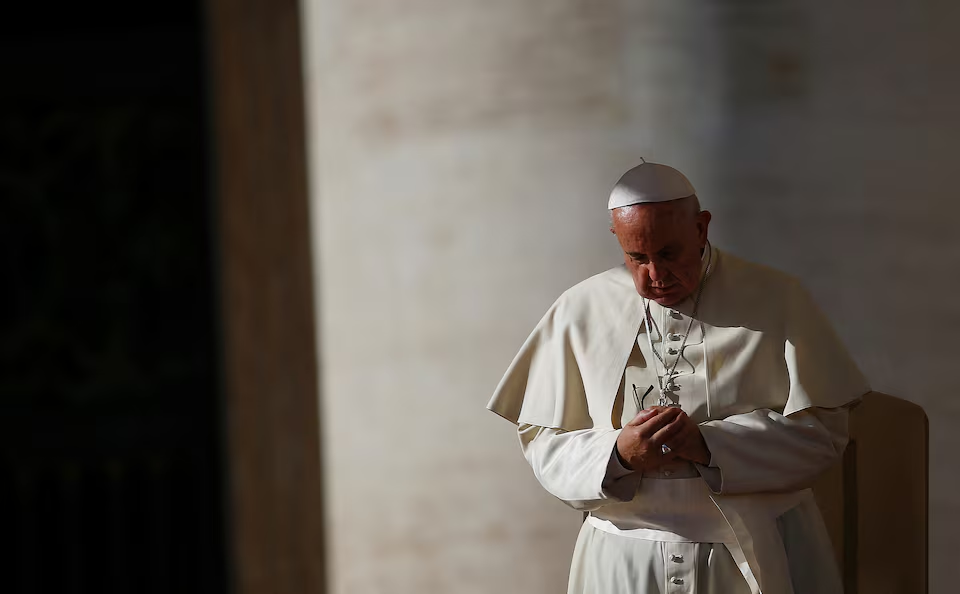
Pope Francis symbol of interreligious friendship
The Infallibles

Pope Francis symbol of interreligious friendship

by mustafa askari
2025-04-24
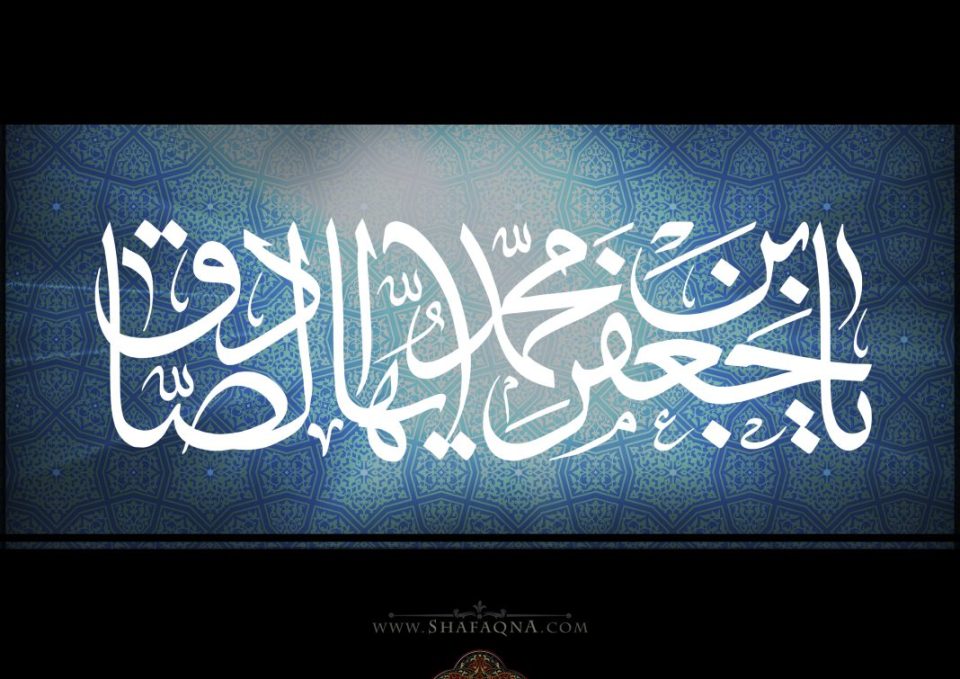
Scholarly Life of Imam Sadiq (AS)
The Infallibles

Scholarly Life of Imam Sadiq (AS)

by mustafa askari
2025-04-24
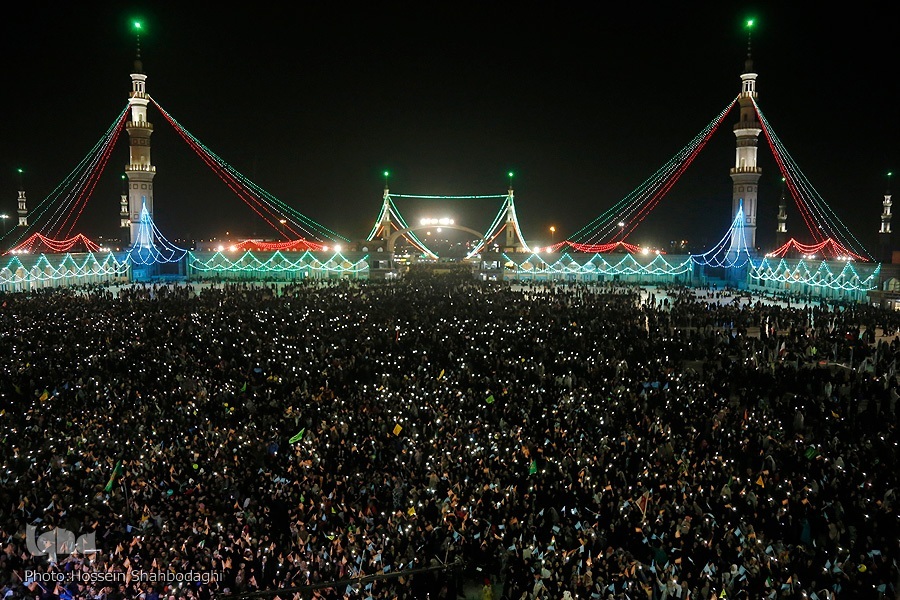
Over 4 Million Pilgrims Visited Qom during Mid-Shaaban Eid, Official Says
The Infallibles

Over 4 Million Pilgrims Visited Qom during Mid-Shaaban Eid, Official Says

by mustafa askari
2025-02-17
Next Post
Martyrdom Anniversary of Imam Sajjad (A’) (Biography)

Martyrdom Anniversary of Imam Sajjad (A') (Biography)

Leave a Reply Cancel reply

Your email address will not be published. Required fields are marked *

Latest Post

10 facts about marriage in Islam

10 facts about marriage in Islam

2025-05-26
A Clear Message in Response to the Arrogance of Donald Trump

A Clear Message in Response to the Arrogance of Donald Trump

2025-05-24
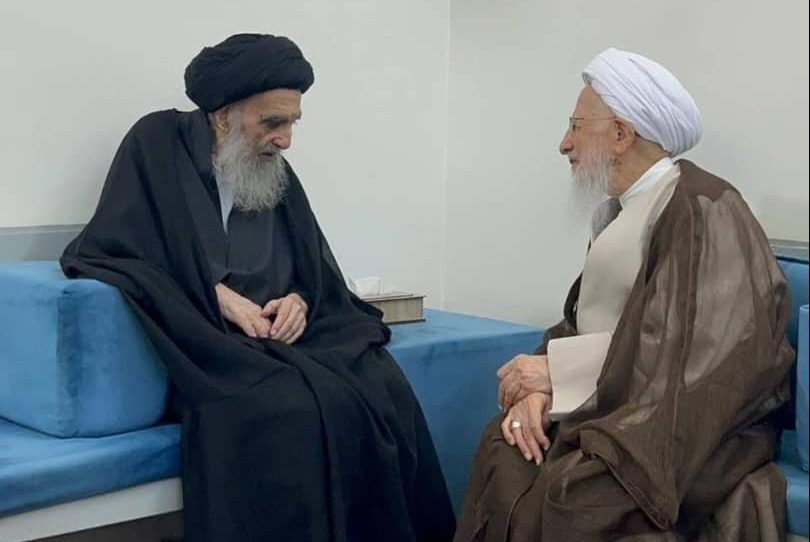
The Grand Ayatollah Sistani & the Grand Ayatollah Javadi Amoli Met in Najaf Ashraf

The Grand Ayatollah Sistani & the Grand Ayatollah Javadi Amoli Met in Najaf Ashraf

2025-05-19
Imam Ali (AS) Did Not Compromise on Unethical Politics

Imam Ali (AS) Did Not Compromise on Unethical Politics

2025-05-11
UK: Reform councillors face allegations of sharing social media Islamophobic content

UK: Reform councillors face allegations of sharing social media Islamophobic content

2025-05-11
How to be just with your children?

How to be just with your children?

2025-05-10
Load More

Browse by Tags

Ahl al-Bayt (A.S.) Ahlul Bayt Al-Mahdi (AS) Allah Ashura Ayatollah Sobhani Ethics faith Fatima fiqh ghadir God History Holy Prophet Imam 'Ali Imam Ali (A.S.) Imam Husain Imams infallibles Islam Islamic Laws Islamic rules Jurisprudence Karbala Martyrdom morality Muhammad Nahj al Balaghah prayer prophet Quran Ramadan Reborn Salat Sayed Moustafa Qazwini shaistudies shia Shia Beliefs Shia Imams Shia Islam Shia Studie's World Assembly shiastudies Sin the differences between Shi’a and Sunni the story of those who converted to Shia Islam

The World Assembly of Shiite Studies was established in 2003 (1382 AH) by a group of scholars from seminaries and universities. The purpose of founding this independent academic institution was to introduce the school of Shi‘ism and defend its legitimacy through education, research, translation and publication, communications, and Islamic promotion. This center has continued its mission with strength and determination and envisions a bright future ahead.

Address: Qom, 45-Meter Ammar Yaser Boulevard, between Alley 4 and 6, World Assembly of Shiite Studies, Secretariat of Religious Scholars

Phone: +982537713773

Fax: +982537713774

All rights of the website are reserved and belong to the World Assembly of Shiite Studies.

Are you sure want to unlock this post?
Unlock left : 0
Are you sure want to cancel subscription?