• Home
  • Bank of Subjects of Articles
    • Bibliography
    • Characters
    • Culture and art
    • Economics
    • Educational sciences
    • ethics
    • Geography of Islamic world
    • History
    • Islamic jurisprudence and principles
    • Kalam (Islamic scholastic theology)
    • Mahdism
    • Philosophy and logic
    • Political science
    • pray and pilgrimage
    • Prophet and Ahl-al bayt
  • Islamic Teachings
  • quran
  • The Infallibles
  • Shia Beliefs
  • Morality
  • Events
    • Media Reflection
    • Muharram
    • News of Shia World
    • News of Worldly Assembly for Shia Studies
  • Home
  • Bank of Subjects of Articles
    • Bibliography
    • Characters
    • Culture and art
    • Economics
    • Educational sciences
    • ethics
    • Geography of Islamic world
    • History
    • Islamic jurisprudence and principles
    • Kalam (Islamic scholastic theology)
    • Mahdism
    • Philosophy and logic
    • Political science
    • pray and pilgrimage
    • Prophet and Ahl-al bayt
  • Islamic Teachings
  • quran
  • The Infallibles
  • Shia Beliefs
  • Morality
  • Events
    • Media Reflection
    • Muharram
    • News of Shia World
    • News of Worldly Assembly for Shia Studies
Home Bank of Subjects of Articles The Quran

Ten Points from Quran about Infaq

by mustafa askari
2022-08-15
in The Quran
0
Ten Points from Quran about Infaq
0
SHARES
50
VIEWS
Share on FacebookShare on Twitter
The Holy Quran refers to Infaq as “lending God a good loan” (Surah Al-Baqarah, verse 245), a loan that God will multiply many times and give back.


The phrase “Ghardh-al-hasana” (good loan) point to the fact that there are different kinds of loans, some of which have low value or no value at all while some are good loans. The Holy Quran has introduced the conditions of a good loan, or in the words a valuable Infaq, in different verses.

Quran interpreters, including Ayatollah Nasser Makarem Shirazi, have used those verses to point to ten conditions for Infaq.

Infaq is an Arabic word meaning spending and disbursement, but it also carries the sense of doing so simply to please God without asking for any favor or hoping for a return.

Here are the ten conditions for good Infaq:

1- Infaq should be from the best part of what one has, not from low value possessions. The Quran says: “Believers, spend for the cause of God from the good things that you earn and from what we have made the earth yield for you. Do not even think of spending for the cause of God worthless things that you yourselves would be reluctant to accept. Know that God is Self-sufficient and Glorious.” (Surah Al-Baqarah, verse 267)

2- It should be what people need, as God says in verse 9 of Surah Al-Hashr: “… and prefer (others) above themselves, even though they themselves have a need.”

3- Infaq should be given to those who really need it and have priority (to receive it): “(Charity is) for the poor who are restrained in the way of Allah, and are unable to journey in the land.” (Surah Al-Baqarah, verse 273)

4- It would be better to do Infaq secretly: “It is not bad to give alms in public. However if you give them privately to the poor, it would be better for you and an expiation for some of your sins. God is Well-Aware of what you do.” (Surah Al-Baqarah, verse 271)

5- It should never include reproach and insult: “Believers, do not annul your charitable giving with reproach and hurt, like he who spends his wealth to show off to the people and believes neither in Allah nor in the Last Day.” (Surah Al-Baqarah, verse 264)

6- Infaq should be done with Ikhlas (purity of intention): “The example of those who spend their property to please God out of their firm and sincere intention is as the garden on a fertile land which, after a heavy rainfall or even a drizzle, yields double produce. God is Well-Aware of what you do.” (Surah Al-Baqarah, verse 265)

7- One should consider his Infaq as insignificant and small no matter how big it seems to be: “… and do not think that by doing such deeds, you have done a great favor to God.” (Surah Al-Muddaththir, verse 6)

8- Infaq should be from the possessions one likes very much and is attached to: “You can never have extended virtue and righteousness unless you spend part of what you dearly love for the cause of God. God knows very well whatever you spend for His cause.” (Surah Al-Imran, verse 92)

9- One should never consider himself the true owner of anything: “Believe in Allah and His Messenger and spend (in charity) of that which He has made you successors. Whosoever of you believes and spends shall have a mighty wage.” (Surah Al-Hadid, verse 7)

10- Most importantly, Infaq must be from what has been earned through Halal means to be accepted by God: “God only accepts the offerings of the pious ones.” (Surah Al-Ma’idah, verse 27)

These are some, but not all, of the major conditions for Infaq to be accepted by God. Among the conditions mentioned some are Wajib (obligatory) such as avoiding reproach and insult, while others will make it more perfect, such as giving Infaq when one needs it himself.

source:iqna
Tags: EthicsImam 'AliIslamQuranShia Studie's World Assembly
Previous Post

Pious Ones Keep Their Faith, Their Self

Next Post

Religious Knowledge from Allameh Jafari’s Viewpoint

mustafa askari

Related Posts

Burning Will Not Make ‘Mighty’ Quran Vanish
The Quran

Burning Will Not Make ‘Mighty’ Quran Vanish

by mustafa askari
2023-07-31
The Qur’an’s Addressees
The Quran

The Qur’an’s Addressees

by mustafa askari
2023-07-17
When Will the Gates of Hell Open?
ethics

When Will the Gates of Hell Open?

by mustafa askari
2023-07-12
Quran Warns People against Hasty Judgments
The Quran

Quran Warns People against Hasty Judgments

by mustafa askari
2023-05-09
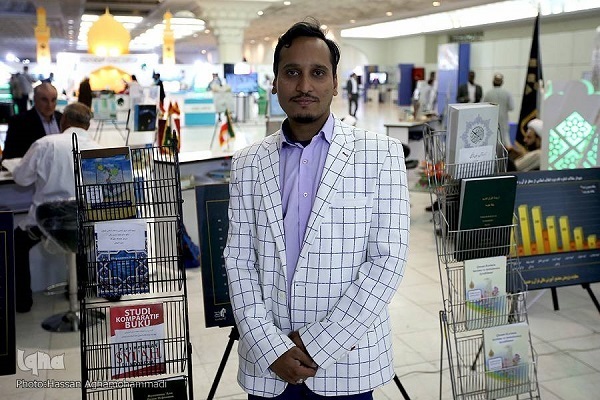
Tehran Int’l Quran Expo: Quran Translations in Different Languages on Display at India’s Pavilion
The Quran

Tehran Int’l Quran Expo: Quran Translations in Different Languages on Display at India’s Pavilion

by mustafa askari
2023-04-11
Next Post
Religious Knowledge from Allameh Jafari’s Viewpoint

Religious Knowledge from Allameh Jafari’s Viewpoint

Leave a Reply Cancel reply

Your email address will not be published. Required fields are marked *

Latest Post

10 facts about marriage in Islam

10 facts about marriage in Islam

2025-05-26
A Clear Message in Response to the Arrogance of Donald Trump

A Clear Message in Response to the Arrogance of Donald Trump

2025-05-24
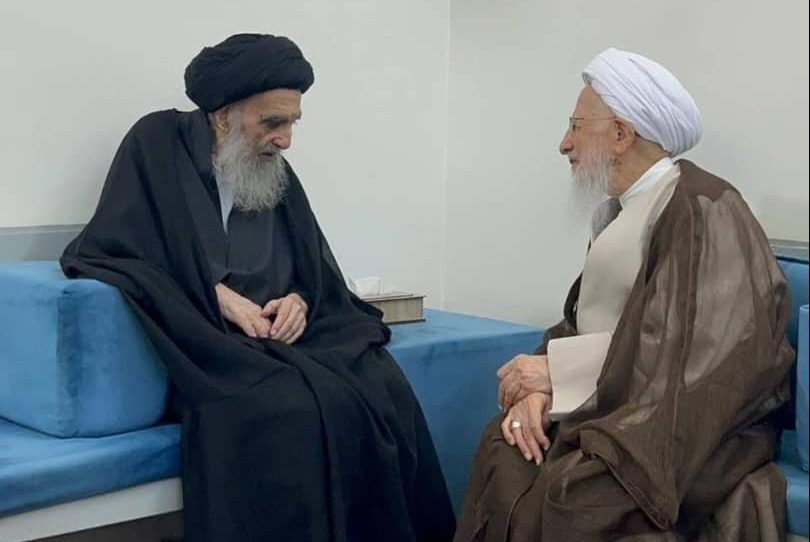
The Grand Ayatollah Sistani & the Grand Ayatollah Javadi Amoli Met in Najaf Ashraf

The Grand Ayatollah Sistani & the Grand Ayatollah Javadi Amoli Met in Najaf Ashraf

2025-05-19
Imam Ali (AS) Did Not Compromise on Unethical Politics

Imam Ali (AS) Did Not Compromise on Unethical Politics

2025-05-11
UK: Reform councillors face allegations of sharing social media Islamophobic content

UK: Reform councillors face allegations of sharing social media Islamophobic content

2025-05-11
How to be just with your children?

How to be just with your children?

2025-05-10
Load More

Browse by Tags

Ahl al-Bayt (A.S.) Ahlul Bayt Al-Mahdi (AS) Allah Ashura Ayatollah Sobhani Ethics faith Fatima fiqh ghadir God History Holy Prophet Imam 'Ali Imam Ali (A.S.) Imam Husain Imams infallibles Islam Islamic Laws Islamic rules Jurisprudence Karbala Martyrdom morality Muhammad Nahj al Balaghah prayer prophet Quran Ramadan Reborn Salat Sayed Moustafa Qazwini shaistudies shia Shia Beliefs Shia Imams Shia Islam Shia Studie's World Assembly shiastudies Sin the differences between Shi’a and Sunni the story of those who converted to Shia Islam

The World Assembly of Shiite Studies was established in 2003 (1382 AH) by a group of scholars from seminaries and universities. The purpose of founding this independent academic institution was to introduce the school of Shi‘ism and defend its legitimacy through education, research, translation and publication, communications, and Islamic promotion. This center has continued its mission with strength and determination and envisions a bright future ahead.

Address: Qom, 45-Meter Ammar Yaser Boulevard, between Alley 4 and 6, World Assembly of Shiite Studies, Secretariat of Religious Scholars

Phone: +982537713773

Fax: +982537713774

All rights of the website are reserved and belong to the World Assembly of Shiite Studies.

Are you sure want to unlock this post?
Unlock left : 0
Are you sure want to cancel subscription?