• Home
  • Bank of Subjects of Articles
    • Bibliography
    • Characters
    • Culture and art
    • Economics
    • Educational sciences
    • ethics
    • Geography of Islamic world
    • History
    • Islamic jurisprudence and principles
    • Kalam (Islamic scholastic theology)
    • Mahdism
    • Philosophy and logic
    • Political science
    • pray and pilgrimage
    • Prophet and Ahl-al bayt
  • Islamic Teachings
  • quran
  • The Infallibles
  • Shia Beliefs
  • Morality
  • Events
    • Media Reflection
    • Muharram
    • News of Shia World
    • News of Worldly Assembly for Shia Studies
  • Home
  • Bank of Subjects of Articles
    • Bibliography
    • Characters
    • Culture and art
    • Economics
    • Educational sciences
    • ethics
    • Geography of Islamic world
    • History
    • Islamic jurisprudence and principles
    • Kalam (Islamic scholastic theology)
    • Mahdism
    • Philosophy and logic
    • Political science
    • pray and pilgrimage
    • Prophet and Ahl-al bayt
  • Islamic Teachings
  • quran
  • The Infallibles
  • Shia Beliefs
  • Morality
  • Events
    • Media Reflection
    • Muharram
    • News of Shia World
    • News of Worldly Assembly for Shia Studies
Home Bank of Subjects of Articles The Quran

How Quran Categorizes Humans

by mustafa askari
2022-10-25
in The Quran
0
How Quran Categorizes Humans
0
SHARES
55
VIEWS
Share on FacebookShare on Twitter
There are different categorizations for humans in a society. Sometimes, the personality and behavior of humans are the main focus, and sometimes their social and economic status. However, Islam pays attention to a special issue with regard to humans.


In sciences such as sociology and psychology, there are different categorizations for humans as each of them focuses on a special factor. For instance, Swiss psychologist Carl Gustav Jung puts people into two categories of introverts and extroverts. Or Marxists categorize people with a social view into three groups the bourgeoisie, landowners, and the proletariat.

The Holy Quran also categorizes humans in different forms. For instance, Surah Al-Fatiha puts humans into three categories; those who have been granted blessings, those who are subject to God’s anger, and those who have gone astray. “(Lord), guide us to the right path, the path of those to whom You have granted blessings, those who are neither subject to Your anger nor have gone astray.” (Surah Al-Fatiha, verses 6-7).

Surah Al-Baqarah categorizes humans into three groups of believers, disbelievers, and hypocrites. In the opening verses of the Surah, characteristics of believers have been mentioned: “Who believe in the unseen and establish the (daily) prayer; who spend out of what We have provided them.” (Verse 3)

The second group is disbelievers, i.e. those who do not believe in the Oneness of God, are enemies of the religion, and openly oppose religious beliefs. “Those who disbelieve, whether you forewarn them or not, they will not believe.” (Verse 6) This verse point to the feature of obstinacy in these people as they cannot understand the truth, accept the right words, and abandon their wrong beliefs because they have committed sins.

The third group is the hypocrites. The Holy Quran describes this group more than the two first ones. The word “nifaq” in Arabic refers to hypocrisy and it means inconsistency between inner beliefs and what one actually displays. Quranic verses and hadiths describe hypocrites as worse than disbelievers as they appear like friends at the first sight but are actually enemies. Therefore, their danger to human society is more than the danger of disbelievers.

“Al-Munafiqun” is the name of Surah in the Quran and dozens of verses discuss traits of hypocrites and the danger of hypocrisy. For instance, the two first verses of Surah Al-Munafiqun reads: “When the hypocrites come to you they say: ‘We bear witness that you are the Messenger of Allah. ‘ Allah knows that you (Prophet Muhammad) are indeed His Messenger, and Allah bears witness that the hypocrites are truly liars! They have taken their oaths as a cover and barred others from the Path of Allah. Evil is what they have done.”

source: iqna
Tags: Ahl al-Bayt (A.S.)AllahEthicsImam 'AliIslamJurisprudencemoralityQuranShia Studie's World Assembly
Previous Post

Surah As-Saaffat: Those in Line to Confront Deniers of Tawheed

Next Post

Anger Management among Characteristics of True Believers

mustafa askari

Related Posts

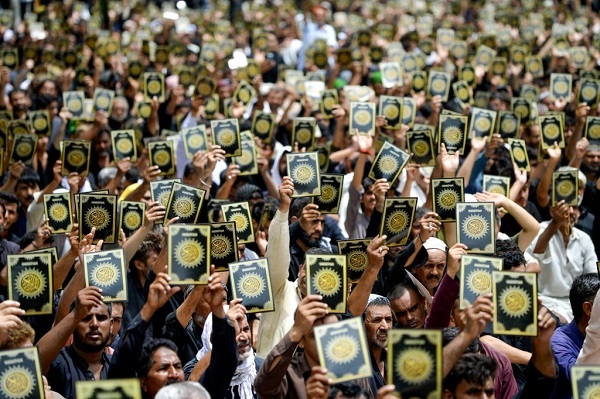
Burning Will Not Make ‘Mighty’ Quran Vanish
The Quran

Burning Will Not Make ‘Mighty’ Quran Vanish

by mustafa askari
2023-07-31
The Qur’an’s Addressees
The Quran

The Qur’an’s Addressees

by mustafa askari
2023-07-17
When Will the Gates of Hell Open?
ethics

When Will the Gates of Hell Open?

by mustafa askari
2023-07-12
Quran Warns People against Hasty Judgments
The Quran

Quran Warns People against Hasty Judgments

by mustafa askari
2023-05-09
Tehran Int’l Quran Expo: Quran Translations in Different Languages on Display at India’s Pavilion
The Quran

Tehran Int’l Quran Expo: Quran Translations in Different Languages on Display at India’s Pavilion

by mustafa askari
2023-04-11
Next Post
Anger Management among Characteristics of True Believers

Anger Management among Characteristics of True Believers

Leave a Reply Cancel reply

Your email address will not be published. Required fields are marked *

Latest Post

10 facts about marriage in Islam

10 facts about marriage in Islam

2025-05-26
A Clear Message in Response to the Arrogance of Donald Trump

A Clear Message in Response to the Arrogance of Donald Trump

2025-05-24
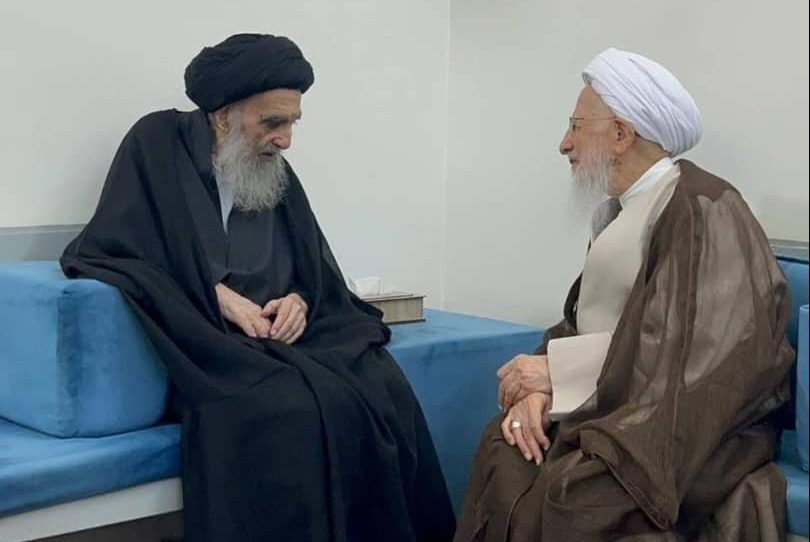
The Grand Ayatollah Sistani & the Grand Ayatollah Javadi Amoli Met in Najaf Ashraf

The Grand Ayatollah Sistani & the Grand Ayatollah Javadi Amoli Met in Najaf Ashraf

2025-05-19
Imam Ali (AS) Did Not Compromise on Unethical Politics

Imam Ali (AS) Did Not Compromise on Unethical Politics

2025-05-11
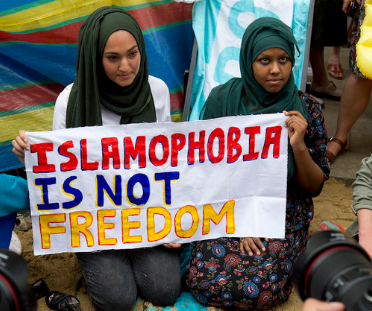
UK: Reform councillors face allegations of sharing social media Islamophobic content

UK: Reform councillors face allegations of sharing social media Islamophobic content

2025-05-11
How to be just with your children?

How to be just with your children?

2025-05-10
Load More

Browse by Tags

Ahl al-Bayt (A.S.) Ahlul Bayt Al-Mahdi (AS) Allah Ashura Ayatollah Sobhani Ethics faith Fatima fiqh ghadir God History Holy Prophet Imam 'Ali Imam Ali (A.S.) Imam Husain Imams infallibles Islam Islamic Laws Islamic rules Jurisprudence Karbala Martyrdom morality Muhammad Nahj al Balaghah prayer prophet Quran Ramadan Reborn Salat Sayed Moustafa Qazwini shaistudies shia Shia Beliefs Shia Imams Shia Islam Shia Studie's World Assembly shiastudies Sin the differences between Shi’a and Sunni the story of those who converted to Shia Islam

The World Assembly of Shiite Studies was established in 2003 (1382 AH) by a group of scholars from seminaries and universities. The purpose of founding this independent academic institution was to introduce the school of Shi‘ism and defend its legitimacy through education, research, translation and publication, communications, and Islamic promotion. This center has continued its mission with strength and determination and envisions a bright future ahead.

Address: Qom, 45-Meter Ammar Yaser Boulevard, between Alley 4 and 6, World Assembly of Shiite Studies, Secretariat of Religious Scholars

Phone: +982537713773

Fax: +982537713774

All rights of the website are reserved and belong to the World Assembly of Shiite Studies.

Are you sure want to unlock this post?
Unlock left : 0
Are you sure want to cancel subscription?