• Home
  • Bank of Subjects of Articles
    • Bibliography
    • Characters
    • Culture and art
    • Economics
    • Educational sciences
    • ethics
    • Geography of Islamic world
    • History
    • Islamic jurisprudence and principles
    • Kalam (Islamic scholastic theology)
    • Mahdism
    • Philosophy and logic
    • Political science
    • pray and pilgrimage
    • Prophet and Ahl-al bayt
  • Islamic Teachings
  • quran
  • The Infallibles
  • Shia Beliefs
  • Morality
  • Events
    • Media Reflection
    • Muharram
    • News of Shia World
    • News of Worldly Assembly for Shia Studies
  • Home
  • Bank of Subjects of Articles
    • Bibliography
    • Characters
    • Culture and art
    • Economics
    • Educational sciences
    • ethics
    • Geography of Islamic world
    • History
    • Islamic jurisprudence and principles
    • Kalam (Islamic scholastic theology)
    • Mahdism
    • Philosophy and logic
    • Political science
    • pray and pilgrimage
    • Prophet and Ahl-al bayt
  • Islamic Teachings
  • quran
  • The Infallibles
  • Shia Beliefs
  • Morality
  • Events
    • Media Reflection
    • Muharram
    • News of Shia World
    • News of Worldly Assembly for Shia Studies
Home Bank of Subjects of Articles The Quran

Quran Verses’ References to Fitrat

by mustafa askari
2022-11-15
in The Quran
0
Quran Verses’ References to Fitrat
0
SHARES
71
VIEWS
Share on FacebookShare on Twitter

Firtart (nature) refers to any inclination that is in all human beings without having been educated about it and guides people to religion. This concept has been referred to in the Quran via different words.
Quran Verses’ References to Fitrat


Tendency to religion originates from one’s Fitrat. That is to say, the roots of religion are there in every human being. Fitrat refers to any feeling and emotion in a human being in whose creation no trainer, master or practice has had a role. It is a constant and continuous issue in all human beings in all times and places.

The fundamental principles and tenets of religion, ethics, and religious teachings are all harmonious with humanity’s Fitrat. No matter how old they are or to what place or time in history they belong, humans like to know where the source of existence it. This is the origin of Tawheed (monotheism).

The word Fitrat is mentioned in the Quran once but there are numerous verses of the Holy Book that are about Fitri (related to Fitrat) issues. The following are some of them:

1- Verses like verse 16 of Surah Al-Baqarah: “Such are those who barter away guidance for error, their trade did not profit (them), nor are they guided,” that shows humans have a Fitri guidance but some have traded it for error.

2- Verses like verse 67 of Surah At-Tawbah: “They have forgotten all about God,” which shows that the belief in God exists but they have forgotten it. Some ask if religion is Fitri, why some do not believe in God and religion. The answer is that yes, religion is Fitri but some may make a mistake in their understanding of the source of existence, like an infant who is looking for its mother’s breast but instead sucks a pacifier. Moreover, some Fitri issues may be overshadowed by other issues.

3- Verses that talk about returning to oneself:

“Believers, look after your own souls,…” (Verse 105 of Surah Al-Ma’idah)

“Would you order righteousness on others and forget it yourselves?”

4- Verses that describe man’s regret and remorse: “Woe to us! Would that we had not been friends with so and so.” (Verse 28 of Surah Al-Furqan)

5- Verses of remembrance and reminding:

“and remind them of the Days of Allah.” (Verse 5 of Surah Ibrahim)

“Keep on reminding them. This benefits the believers.” (Verse 55 of Surah Adh-Dhariyat)

6- Questions that the Quran asks human beings. Asking these questions shows that human beings understand and known things within them. “Say, ‘Are those who know equal to those who do not know? Only the people of reason take heed’.” (Verse 9 of Surah Az-Zumar)

7- Verse that say: To what direction are you going? “How then can you turn away from Him?” (Verse 62 of Surah Ghafir) Such verses show that mankind is not like an empty dish that can be filled from outside but has internal treasures.

8- Verses that say humans are aware of their selves. “In fact, people are well-aware of their own soul” (Verse 14 of Surah Al-Qiyamah)

9- Verse about man’s pledges to God: “Children of Adam, did I not make a covenant with you?” (Verse 60 of Surah Yaseen)

source: iqna
Tags: Ahl al-Bayt (A.S.)EthicsImam 'AliIslamJurisprudencemoralityShia Studie's World Assembly
Previous Post

180,000 Egyptians Attending Al-Azhar Quran Contest

Next Post

Imam Ali’s View on Monotheism

mustafa askari

Related Posts

Burning Will Not Make ‘Mighty’ Quran Vanish
The Quran

Burning Will Not Make ‘Mighty’ Quran Vanish

by mustafa askari
2023-07-31
The Qur’an’s Addressees
The Quran

The Qur’an’s Addressees

by mustafa askari
2023-07-17
When Will the Gates of Hell Open?
ethics

When Will the Gates of Hell Open?

by mustafa askari
2023-07-12
Quran Warns People against Hasty Judgments
The Quran

Quran Warns People against Hasty Judgments

by mustafa askari
2023-05-09
Tehran Int’l Quran Expo: Quran Translations in Different Languages on Display at India’s Pavilion
The Quran

Tehran Int’l Quran Expo: Quran Translations in Different Languages on Display at India’s Pavilion

by mustafa askari
2023-04-11
Next Post
Imam Ali’s View on Monotheism

Imam Ali’s View on Monotheism

Leave a Reply Cancel reply

Your email address will not be published. Required fields are marked *

Latest Post

10 facts about marriage in Islam

10 facts about marriage in Islam

2025-05-26
A Clear Message in Response to the Arrogance of Donald Trump

A Clear Message in Response to the Arrogance of Donald Trump

2025-05-24
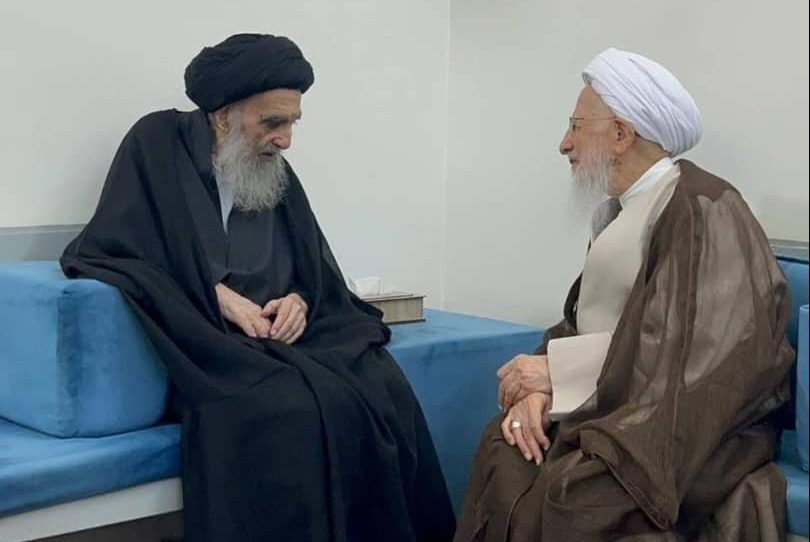
The Grand Ayatollah Sistani & the Grand Ayatollah Javadi Amoli Met in Najaf Ashraf

The Grand Ayatollah Sistani & the Grand Ayatollah Javadi Amoli Met in Najaf Ashraf

2025-05-19
Imam Ali (AS) Did Not Compromise on Unethical Politics

Imam Ali (AS) Did Not Compromise on Unethical Politics

2025-05-11
UK: Reform councillors face allegations of sharing social media Islamophobic content

UK: Reform councillors face allegations of sharing social media Islamophobic content

2025-05-11
How to be just with your children?

How to be just with your children?

2025-05-10
Load More

Browse by Tags

Ahl al-Bayt (A.S.) Ahlul Bayt Al-Mahdi (AS) Allah Ashura Ayatollah Sobhani Ethics faith Fatima fiqh ghadir God History Holy Prophet Imam 'Ali Imam Ali (A.S.) Imam Husain Imams infallibles Islam Islamic Laws Islamic rules Jurisprudence Karbala Martyrdom morality Muhammad Nahj al Balaghah prayer prophet Quran Ramadan Reborn Salat Sayed Moustafa Qazwini shaistudies shia Shia Beliefs Shia Imams Shia Islam Shia Studie's World Assembly shiastudies Sin the differences between Shi’a and Sunni the story of those who converted to Shia Islam

The World Assembly of Shiite Studies was established in 2003 (1382 AH) by a group of scholars from seminaries and universities. The purpose of founding this independent academic institution was to introduce the school of Shi‘ism and defend its legitimacy through education, research, translation and publication, communications, and Islamic promotion. This center has continued its mission with strength and determination and envisions a bright future ahead.

Address: Qom, 45-Meter Ammar Yaser Boulevard, between Alley 4 and 6, World Assembly of Shiite Studies, Secretariat of Religious Scholars

Phone: +982537713773

Fax: +982537713774

All rights of the website are reserved and belong to the World Assembly of Shiite Studies.

Are you sure want to unlock this post?
Unlock left : 0
Are you sure want to cancel subscription?