• Home
  • Bank of Subjects of Articles
    • Bibliography
    • Characters
    • Culture and art
    • Economics
    • Educational sciences
    • ethics
    • Geography of Islamic world
    • History
    • Islamic jurisprudence and principles
    • Kalam (Islamic scholastic theology)
    • Mahdism
    • Philosophy and logic
    • Political science
    • pray and pilgrimage
    • Prophet and Ahl-al bayt
  • Islamic Teachings
  • quran
  • The Infallibles
  • Shia Beliefs
  • Morality
  • Events
    • Media Reflection
    • Muharram
    • News of Shia World
    • News of Worldly Assembly for Shia Studies
  • Home
  • Bank of Subjects of Articles
    • Bibliography
    • Characters
    • Culture and art
    • Economics
    • Educational sciences
    • ethics
    • Geography of Islamic world
    • History
    • Islamic jurisprudence and principles
    • Kalam (Islamic scholastic theology)
    • Mahdism
    • Philosophy and logic
    • Political science
    • pray and pilgrimage
    • Prophet and Ahl-al bayt
  • Islamic Teachings
  • quran
  • The Infallibles
  • Shia Beliefs
  • Morality
  • Events
    • Media Reflection
    • Muharram
    • News of Shia World
    • News of Worldly Assembly for Shia Studies
Home The Infallibles

Zain al-Abedin and Seyyed al-Sajedin

by javad
2021-05-12
in The Infallibles
0
The Noble virtues of Imam Sajjad (A.S)
0
SHARES
31
VIEWS
Share on FacebookShare on Twitter

Zain al-Abedin and Seyyed al-Sajedin: Zain al-Abedin (Ornament of the Worshippers and Seyyed as-Sajedin (Chief of those Prostrating to God)

the 5th of Sha’ban is the birthday of the Second Ali (AS) of the Prophet’s Household. He was the grandson of the First and Foremost Ali (AS), and was born in the Prophet’s city, Medina, in the year 38 AH two years before the martyrdom in Kufa of his peerless grandfather.
In other words, before him none had the honour to be the namesake of the One and Only Commander of the Faithful, Imam Ali ibn Abi Taleb (AS). As a matter of fact, his father Imam Husain (AS) was so deeply attached to the name of his own father that he named two more sons that God granted to him afterwards (both of them to be martyred in Karbala) as Ali.
He was destined to be the trustee of the divine mantle of imamate, which by God’s command Prophet Muhammad (SAWA) had conferred upon his grandfather in 11 AH at the celebrated gathering of Ghadeer-Khom on the 18th of Zilhijja while returning from the Farewell Hajj pilgrimage.
He proved admirably worthy of his name, to the extent that his piety and worship in the mode of his illustrious grandfather earned him the epithets of Zain al-Abedin (Ornament of the Worshippers) and Seyyed as-Sajedin (Chief of those Prostrating to God).
However, when people felt amazed at these unique characteristics of his, the Survivor of history’s most heartrending tragedy used to say that these are nothing when compared to the peerless piety, patience, prostrations and other acts of worship of his revered grandfather.
As the 4th Infallible Successor of the Prophet, on many an instance during his 34-year mission, he demonstrated his God-given prowess – in the manner of his redoubtable grandfather – to remove any doubt that real authority belonged to him, and not to any pretender (like Abdullah bin Zubair) and neither to any of those tyrannical Omayyad rulers such as Yazid, Marwan, Abdul-Malik bin Marwan, Waleed and others who masqueraded as caliphs.
His famous statement, while captive and still a youth of 23 years in the immediate aftermath of his father’s martyrdom, exposed hypocrisy in the court in Damascus when he called the pulpit “mere planks of wood” because it had lost its sanctity under the Godless Omayyads, and then mounting it he stunned the whole audience with the words: “O Yazid! This Muhammad (SAWA), whose name is being recited in the Azaan, was my (great) grandfather or yours; and if mine, how could you slay the Prophet’s grandson and still call yourself a Muslim?”
The tyrant had no choice but to soon free the Prophet’s blessed family from imprisonment.
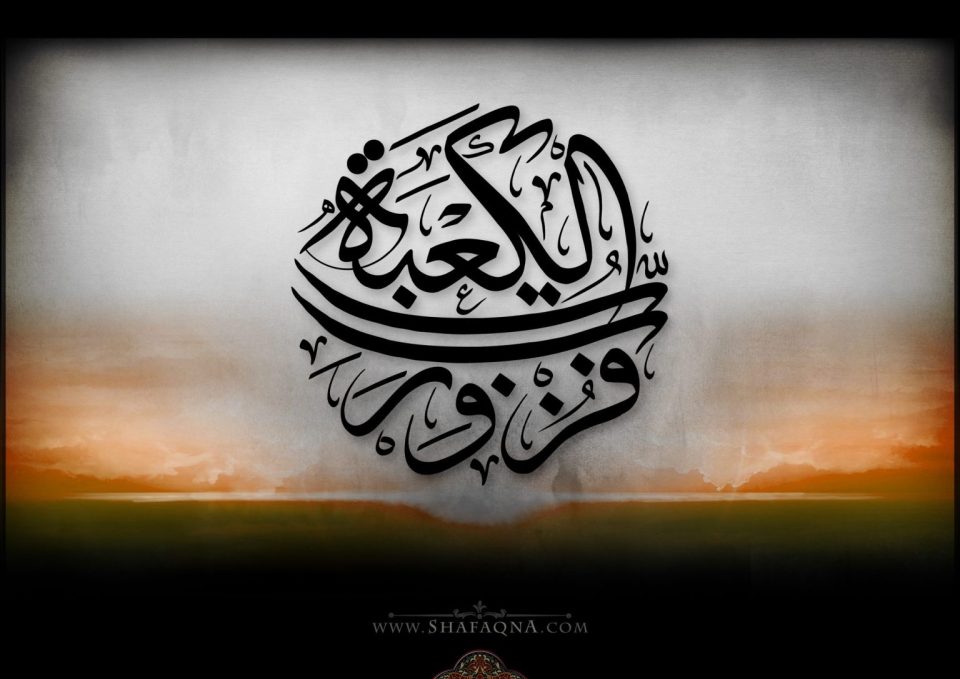
Another famous instance of his spiritual powers that were beyond the ken and control of any usurper was his effortless access to the sacred Black Stone at the Ka’ba when pilgrims were jostling to reach it and when the then Omayyad governor of Mecca, Hesham bin Abdul-Malek, unable to near that holy spot, tried to deride him with the words: Who’s is this?
Prompt came the reply from the great Arabic poet, Farazdaq, who was happened to be nearby and who composed a beautiful ode saying: He is the one who is recognized by the Ka’ba and the sanctuary; He is the most eminent person of the age and the (great grand)son of the Best of God’s creation (the Prophet); He is the Appointee of God, and that very faith in Islam if from the House of this man.
Still on another occasion when his uncle Muhammad al-Hanafiyya, in order to disprove the dubious claims of a group of people who wrongly revered him as the Imam, approached the sacred Black Stone for answer, and got no reply, Imam Zain al-Abedin (AS) smilingly stepped forward and saluted the seemingly inanimate object, which to the amazement of the audience responded by greeting him as the Emissary of God.
This miracle by the Second Ali (AS) of the Prophet’s Household makes us recall the famous words of the Commander of the Faithful, Imam Ali ibn Abi Taleb (AS) when Omar ibn Khattab had tried to scoff at the Sacred Black Stone as a worthless object. The Imam had said: Beware Omar, on the Day of Resurrection the Sacred Black Stone will speak eloquently in the Divine Court giving testimony regarding the faith and disbelief of persons.
These are some instances from the life of Imam Zain al-Abedin (AS), whose birthday we celebrate today and who for his mother had the virtuous Persian princess, Shahr Banu.
maintenance

Tags: Imam SajjādShia ImamsShia Studie's World Assemblyzain al-AbidinZain al-Sajidin
Previous Post

Punishment for Theft in the Islamic Laws

Next Post

Islamic Ethics in the Family Structure

javad

Related Posts

Imam Ali (AS) Did Not Compromise on Unethical Politics
ethics

Imam Ali (AS) Did Not Compromise on Unethical Politics

by mustafa askari
2025-05-11
“Imam Ridha (AS) Restored Human Dignity / Imam Ridha (AS) Revived Name of Imam Hussain (AS) and Event of Karbala”
ethics

“Imam Ridha (AS) Restored Human Dignity / Imam Ridha (AS) Revived Name of Imam Hussain (AS) and Event of Karbala”

by mustafa askari
2025-05-10
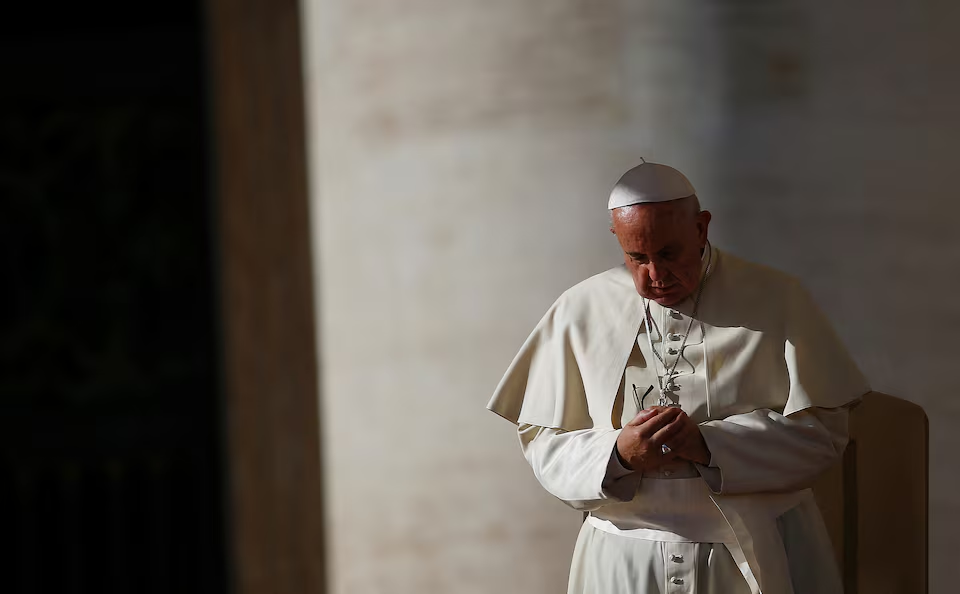
Pope Francis symbol of interreligious friendship
The Infallibles

Pope Francis symbol of interreligious friendship

by mustafa askari
2025-04-24
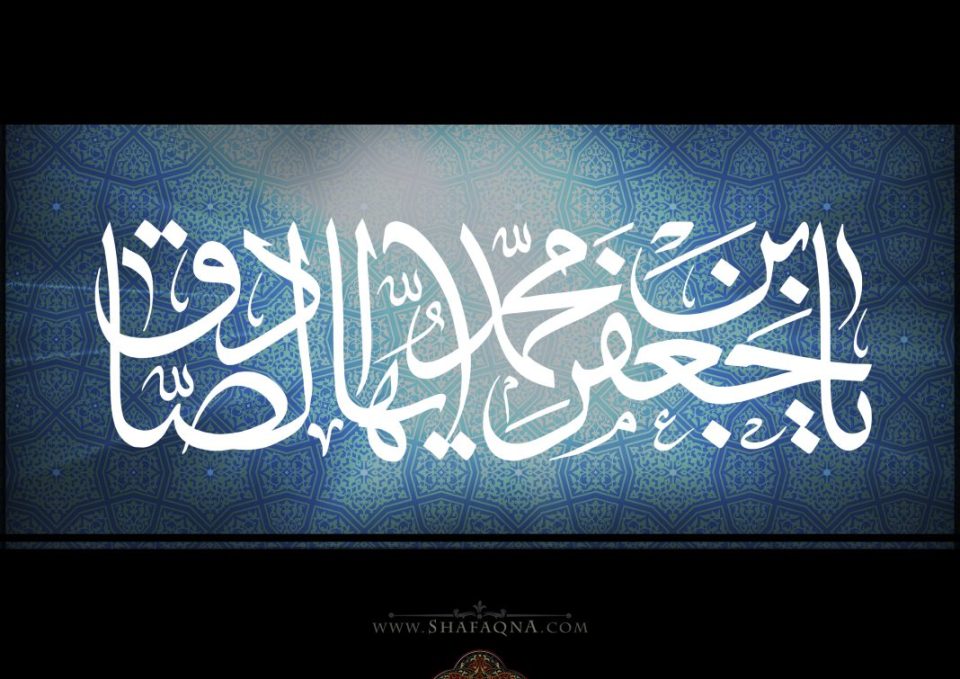
Scholarly Life of Imam Sadiq (AS)
The Infallibles

Scholarly Life of Imam Sadiq (AS)

by mustafa askari
2025-04-24
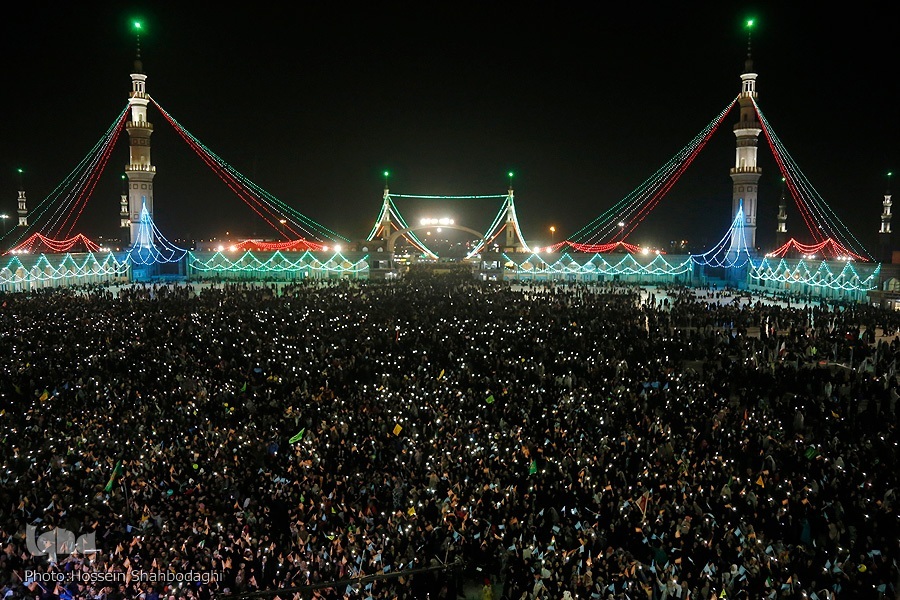
Over 4 Million Pilgrims Visited Qom during Mid-Shaaban Eid, Official Says
The Infallibles

Over 4 Million Pilgrims Visited Qom during Mid-Shaaban Eid, Official Says

by mustafa askari
2025-02-17
Next Post
Some Suggestions For Parents and Children

Islamic Ethics in the Family Structure

Leave a Reply Cancel reply

Your email address will not be published. Required fields are marked *

Latest Post

10 facts about marriage in Islam

10 facts about marriage in Islam

2025-05-26
A Clear Message in Response to the Arrogance of Donald Trump

A Clear Message in Response to the Arrogance of Donald Trump

2025-05-24
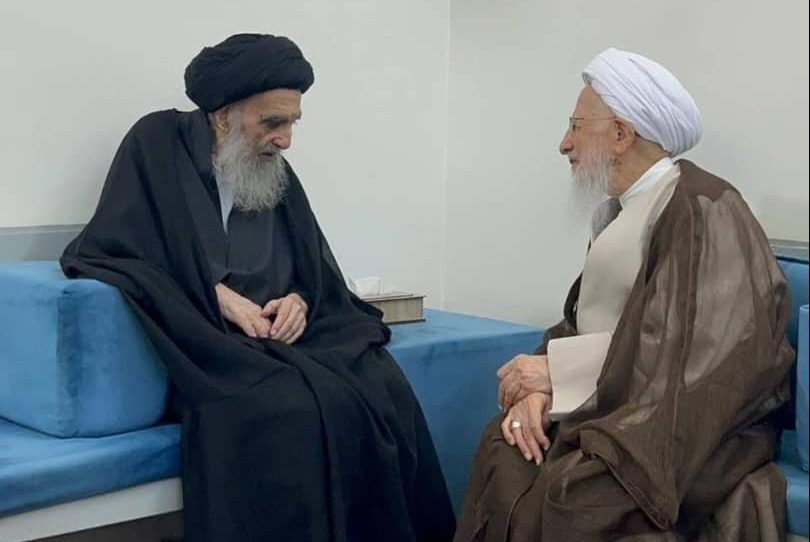
The Grand Ayatollah Sistani & the Grand Ayatollah Javadi Amoli Met in Najaf Ashraf

The Grand Ayatollah Sistani & the Grand Ayatollah Javadi Amoli Met in Najaf Ashraf

2025-05-19
Imam Ali (AS) Did Not Compromise on Unethical Politics

Imam Ali (AS) Did Not Compromise on Unethical Politics

2025-05-11
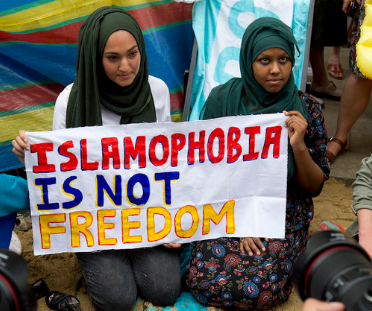
UK: Reform councillors face allegations of sharing social media Islamophobic content

UK: Reform councillors face allegations of sharing social media Islamophobic content

2025-05-11
How to be just with your children?

How to be just with your children?

2025-05-10
Load More

Browse by Tags

Ahl al-Bayt (A.S.) Ahlul Bayt Al-Mahdi (AS) Allah Ashura Ayatollah Sobhani Ethics faith Fatima fiqh ghadir God History Holy Prophet Imam 'Ali Imam Ali (A.S.) Imam Husain Imams infallibles Islam Islamic Laws Islamic rules Jurisprudence Karbala Martyrdom morality Muhammad Nahj al Balaghah prayer prophet Quran Ramadan Reborn Salat Sayed Moustafa Qazwini shaistudies shia Shia Beliefs Shia Imams Shia Islam Shia Studie's World Assembly shiastudies Sin the differences between Shi’a and Sunni the story of those who converted to Shia Islam

The World Assembly of Shiite Studies was established in 2003 (1382 AH) by a group of scholars from seminaries and universities. The purpose of founding this independent academic institution was to introduce the school of Shi‘ism and defend its legitimacy through education, research, translation and publication, communications, and Islamic promotion. This center has continued its mission with strength and determination and envisions a bright future ahead.

Address: Qom, 45-Meter Ammar Yaser Boulevard, between Alley 4 and 6, World Assembly of Shiite Studies, Secretariat of Religious Scholars

Phone: +982537713773

Fax: +982537713774

All rights of the website are reserved and belong to the World Assembly of Shiite Studies.

Are you sure want to unlock this post?
Unlock left : 0
Are you sure want to cancel subscription?