• Home
  • Bank of Subjects of Articles
    • Bibliography
    • Characters
    • Culture and art
    • Economics
    • Educational sciences
    • ethics
    • Geography of Islamic world
    • History
    • Islamic jurisprudence and principles
    • Kalam (Islamic scholastic theology)
    • Mahdism
    • Philosophy and logic
    • Political science
    • pray and pilgrimage
    • Prophet and Ahl-al bayt
  • Islamic Teachings
  • quran
  • The Infallibles
  • Shia Beliefs
  • Morality
  • Events
    • Media Reflection
    • Muharram
    • News of Shia World
    • News of Worldly Assembly for Shia Studies
  • Home
  • Bank of Subjects of Articles
    • Bibliography
    • Characters
    • Culture and art
    • Economics
    • Educational sciences
    • ethics
    • Geography of Islamic world
    • History
    • Islamic jurisprudence and principles
    • Kalam (Islamic scholastic theology)
    • Mahdism
    • Philosophy and logic
    • Political science
    • pray and pilgrimage
    • Prophet and Ahl-al bayt
  • Islamic Teachings
  • quran
  • The Infallibles
  • Shia Beliefs
  • Morality
  • Events
    • Media Reflection
    • Muharram
    • News of Shia World
    • News of Worldly Assembly for Shia Studies
Home Morality

Abdul Basit Was Proud of Being A Quran Reciter

by mustafa askari
2022-05-08
in Morality, The Quran
0
Abdul Basit Was Proud of Being A Quran Reciter
0
SHARES
245
VIEWS
Share on FacebookShare on Twitter
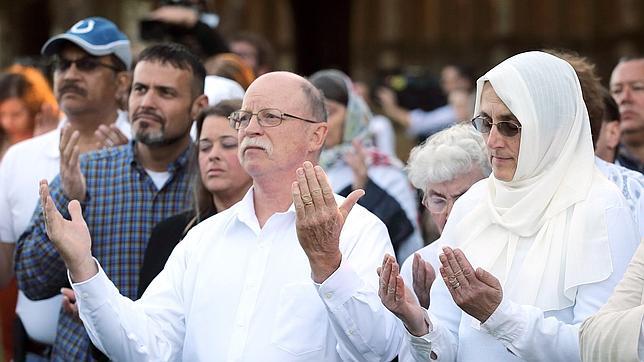
 The son of Egypt’s legendary qari Abdul Basit Abdul Samad said his father was proud of being a Quran reciter.


Speaking to El-Balad News, Tariq said whenever Abdul Basit was invited to recite the Quran in a mosque or a meeting, he would wear his best clothes and the best perfumes.

He liked to have an appearance that would elevate the status of a qari, the son said.

Tariq added that politeness, respect and kindness toward people are some of the things he learned from his father.

“My father traveled all over the world from the north to the south,” the son said, noting that Abdul baist was honored by leaders of many countries and wherever he went, he would be welcomed by people like a king.

Tariq also said his father recorded his recitation of the entire Quran in Saudi Arabia.

A large number of people and officials, including representative of Egypt’s president and ambassadors of Muslim countries attended his funeral, Tariq went on to say.

Abdul Basit Abdul Samad is known as one of the greatest Quran reciters in the world.

He was born in 1927 in the village of Al-Maza’iza, south of Egypt. His grandfather was a pious man, a Quran expert and a memorizer of the Quran.

At 10, Abdul Basit finished learning the entire Quran by heart in his village. He also learned 7 styles of Quran recitation by the age of 12 and the 10 styles by 14.

He started reciting the Quran in mosques and religious centers and soon became very popular.


 Abdul Basit Was Proud of Being A Quran Reciter, Son Says  


In 1951, at the age of 19, he went to the capital Cairo for the first time and recited verses from the Quran at Magham Zeynab. Famous Quranic figures and reciters like Abdul Fattah Sha’shaie, Mustafa Esmaeel, Abdul-Azim Zaher, and Abolainain Shoaisha were present at the event. His performance was so outstanding that the crowd requested him to recite for longer than his allotted 10 minutes by his audience, and he continued to recite for over an hour and a half; his listeners were captured by his mastery of pitch, tone and the rules of Tajweed.

In the same year, he started reciting the Quran in Egypt’s national radio.

Abdul Basit travelled to many countries around the world for reciting the Quran. Once in Jakarta, Indonesia, over 250,000 people gathered in a mosque and streets around it to listen to his recitation.

In 1952 he made the Hajj pilgrimage and recited the Quran in the Masjid-al-Haram in Makkah and Masjid-un-Nabi in Medina.

Listening to his inspiring recitations of the Quran, many non-Muslims are said to have embraced Islam, including 6 in Los Angeles and 164 in Uganda.

Master Abdul Basit Abdul Samad died of diabetes and liver disease in November 1988.

source:iqna

Tags: AllahIslamQuran
Previous Post

What did Imam al-Ridha (a.s.) do when Eating?

Next Post

Latin American Muslims: A small but growing minority within a minority

mustafa askari

Related Posts

10 facts about marriage in Islam
ethics

10 facts about marriage in Islam

by mustafa askari
2025-05-26
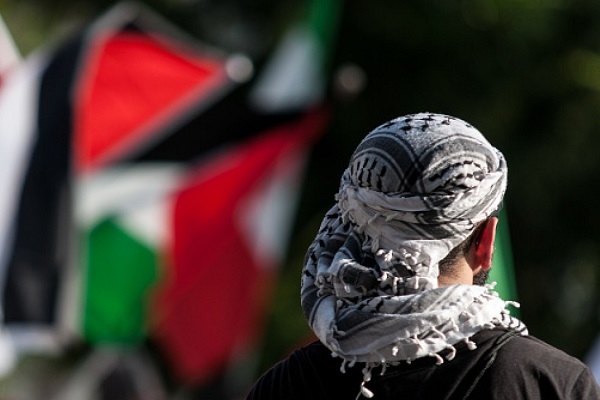
Palestinian Keffiyeh Recognized as Intangible Cultural Heritage by ICESCO: Ministry
Morality

Palestinian Keffiyeh Recognized as Intangible Cultural Heritage by ICESCO: Ministry

by mustafa askari
2024-11-25
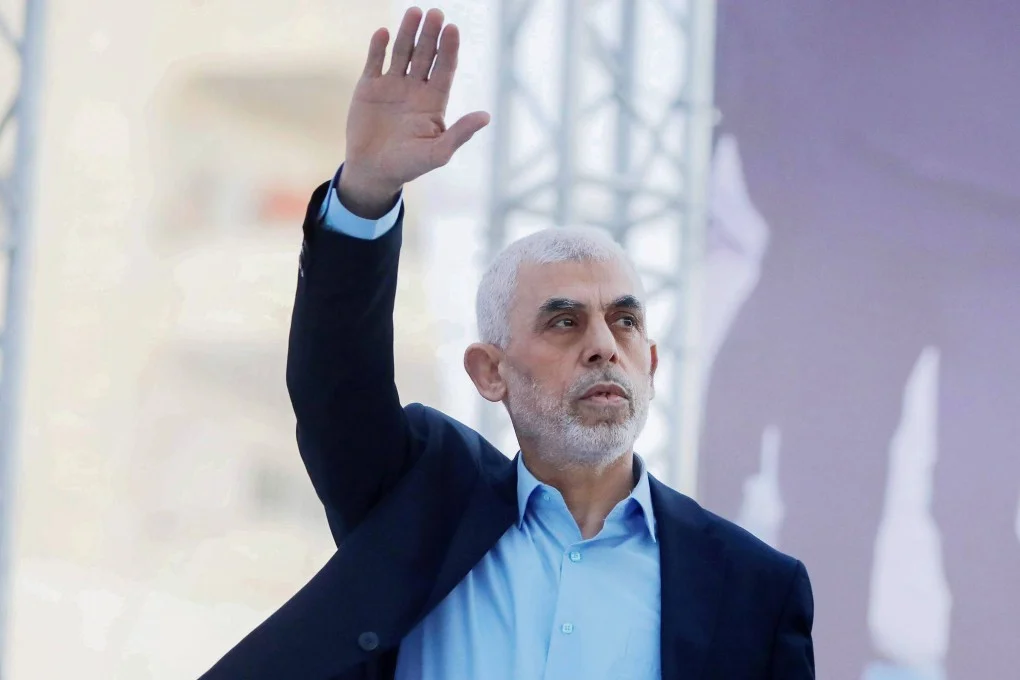
Hamas confirms leader Yahya Sinwar martyred in Israeli strike
Morality

Hamas confirms leader Yahya Sinwar martyred in Israeli strike

by mustafa askari
2024-10-20
The Three Ranks of Worship
Morality

The Three Ranks of Worship

by mustafa askari
2024-09-22
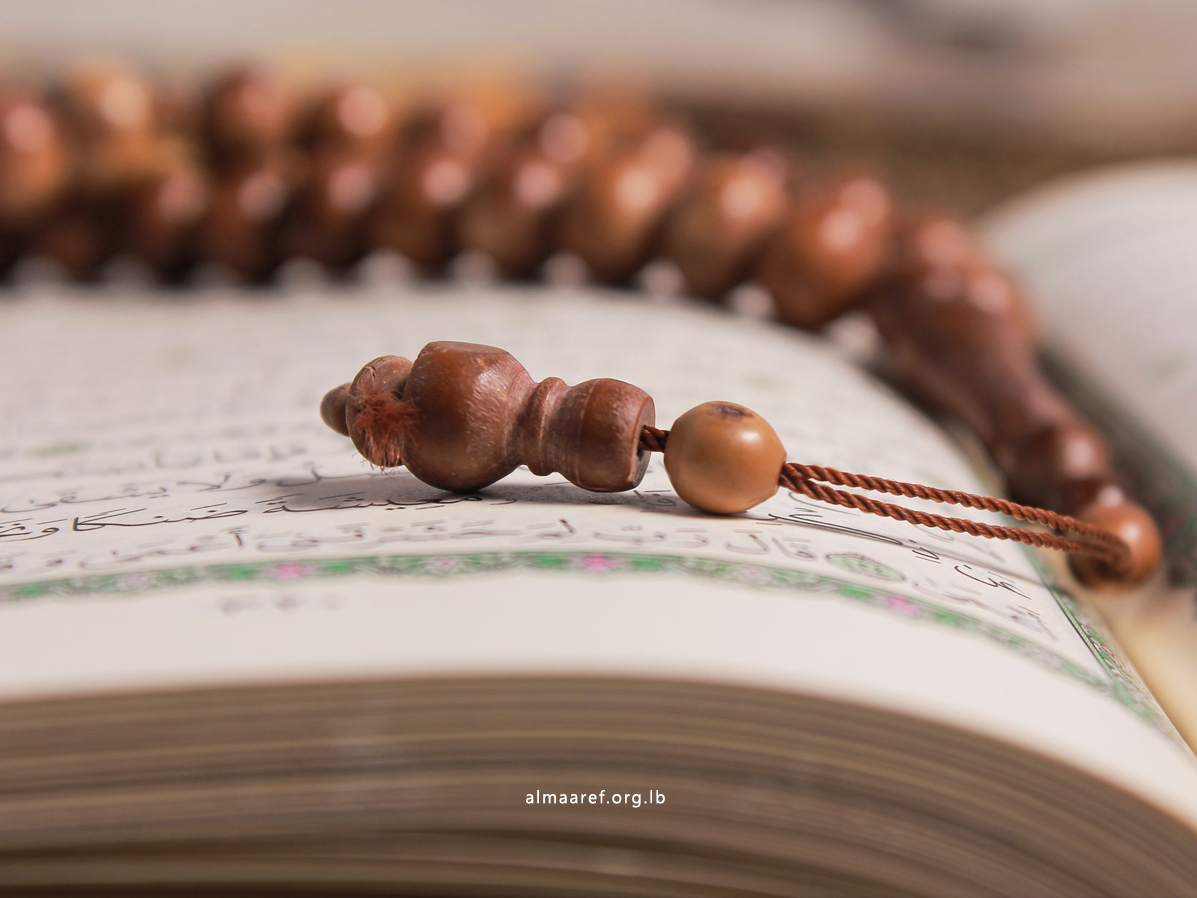
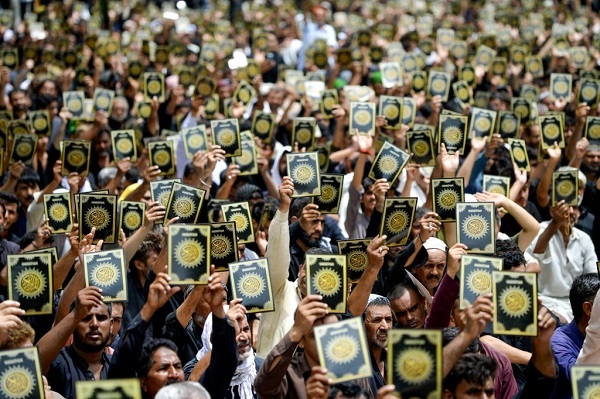
Burning Will Not Make ‘Mighty’ Quran Vanish
The Quran

Burning Will Not Make ‘Mighty’ Quran Vanish

by mustafa askari
2023-07-31
Next Post
Latin American Muslims: A small but growing minority within a minority

Latin American Muslims: A small but growing minority within a minority

Leave a Reply Cancel reply

Your email address will not be published. Required fields are marked *

Latest Post

10 facts about marriage in Islam

10 facts about marriage in Islam

2025-05-26
A Clear Message in Response to the Arrogance of Donald Trump

A Clear Message in Response to the Arrogance of Donald Trump

2025-05-24
The Grand Ayatollah Sistani & the Grand Ayatollah Javadi Amoli Met in Najaf Ashraf

The Grand Ayatollah Sistani & the Grand Ayatollah Javadi Amoli Met in Najaf Ashraf

2025-05-19
Imam Ali (AS) Did Not Compromise on Unethical Politics

Imam Ali (AS) Did Not Compromise on Unethical Politics

2025-05-11
UK: Reform councillors face allegations of sharing social media Islamophobic content

UK: Reform councillors face allegations of sharing social media Islamophobic content

2025-05-11
How to be just with your children?

How to be just with your children?

2025-05-10
Load More

Browse by Tags

Ahl al-Bayt (A.S.) Ahlul Bayt Al-Mahdi (AS) Allah Ashura Ayatollah Sobhani Ethics faith Fatima fiqh ghadir God History Holy Prophet Imam 'Ali Imam Ali (A.S.) Imam Husain Imams infallibles Islam Islamic Laws Islamic rules Jurisprudence Karbala Martyrdom morality Muhammad Nahj al Balaghah prayer prophet Quran Ramadan Reborn Salat Sayed Moustafa Qazwini shaistudies shia Shia Beliefs Shia Imams Shia Islam Shia Studie's World Assembly shiastudies Sin the differences between Shi’a and Sunni the story of those who converted to Shia Islam

The World Assembly of Shiite Studies was established in 2003 (1382 AH) by a group of scholars from seminaries and universities. The purpose of founding this independent academic institution was to introduce the school of Shi‘ism and defend its legitimacy through education, research, translation and publication, communications, and Islamic promotion. This center has continued its mission with strength and determination and envisions a bright future ahead.

Address: Qom, 45-Meter Ammar Yaser Boulevard, between Alley 4 and 6, World Assembly of Shiite Studies, Secretariat of Religious Scholars

Phone: +982537713773

Fax: +982537713774

All rights of the website are reserved and belong to the World Assembly of Shiite Studies.

Are you sure want to unlock this post?
Unlock left : 0
Are you sure want to cancel subscription?